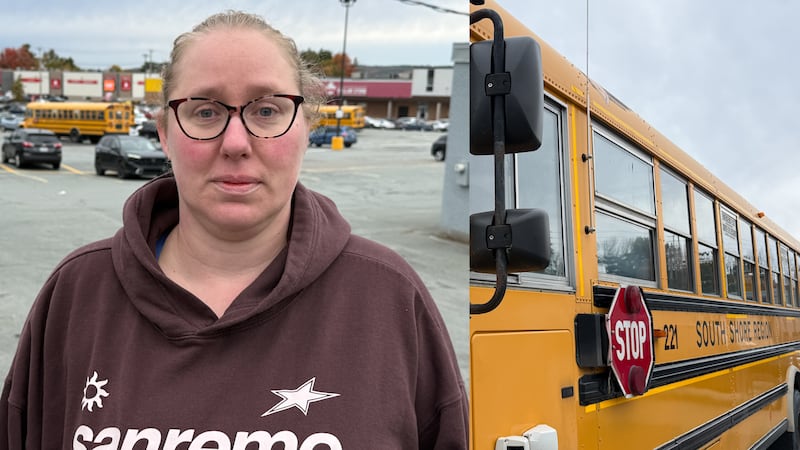
4B Harm Reduction founder, Angie Staines, speaks with Alberta Primetime host Michael Higgins about the Compassionate Intervention Act. This interview has been edited for clarity and length. Michael Higgins: Making addictions treatment mandatory if a person poses a risk to themselves or others, what’s the precedent you see Alberta setting here? Angie Staines: I just think we are pushing some very serious human rights violations. We are looking for a magic bullet where there is not one answer, and forcing people into something that they don’t want, or maybe even don’t need, is a terrifying thought. MH: The premier says if a person is of sound mind, they have the right to choose their own route to medical intervention, investment is being made in treatment and recovery, building long term treatment facilities for addiction and mental health. Why not mandate treatment to help catch those who just don’t have the wherewithal to make the recovery choice on their own? AS: First of all, we already have the Mental Health Act in place for things like this, and it is very specific and used in very specific ways. We are absolutely crossing lines in these situations.... I don’t know many of us who would want people making decisions for us. It really just sets people up for a lot of stigma, feeling like failures, being at higher risk of drug poisoning when they leave. If we’re not looking at what is behind the substance use and just looking at the substance use, we’re not doing it right. We need to start looking at what’s behind it, and once we start dealing with those things, like houselessness, trauma, untreated mental health, that kind of thing, then we will start to see people improve and have healthier lives. The government shouldn’t be the ones to say how people should act, so I think it’s just crossing so many lines. We need to start looking at what is behind the substance use and not at the substance use itself. MH: What does the process of compassionate intervention look like to you? What does it represent? AS: It represents violence. It’s the residential schools all over again. The bottom line is: A lot of the people that I serve, which will be the people most affected by this, is our Indigenous community members. We’ve already done this to them once, we cannot do it again. We need to stop right now because we are going to just add a lot more trauma onto some very traumatized people already. MH: As a parent, you embraced harm reduction as a means of helping your son through his journey of addiction to recovery. What thoughts do you share with those Albertans who feel they’ve hit a wall with their loved ones and compassionate intervention is, maybe, the one and last hope? AS: I was in that position. I did send my son into a program. What I can tell you is it set him up for 15 years of just a lot of trauma, a lot of anger, a lot of untreated health issues, because of living on the streets and just not being healthy. There was a lot of violence going into it when he was picked up, and I just think, I know, I get it. I’m angry that the government is preying on these parents that are desperate, but what I can tell you is, there isn’t a magic answer, and I wish there was. I so wish there was because my heart just breaks for people. I know what that’s like, but reach out. Reach out to people like me. We need to start thinking outside of the box when it comes to these conversations with our children and loved ones, because they’re already feeling a lot of guilt and shame. We need to make sure that we’re that safe place for them, so when they are ready, then we’re that safe place, and they will come to us. But these people have been let down by the system over and over again. They can’t get mental health help for their children, they can’t find housing for their children, and now the government is just going to swoop in and lock people up. No, we need to try other things first, and in a proper fulsome manner.