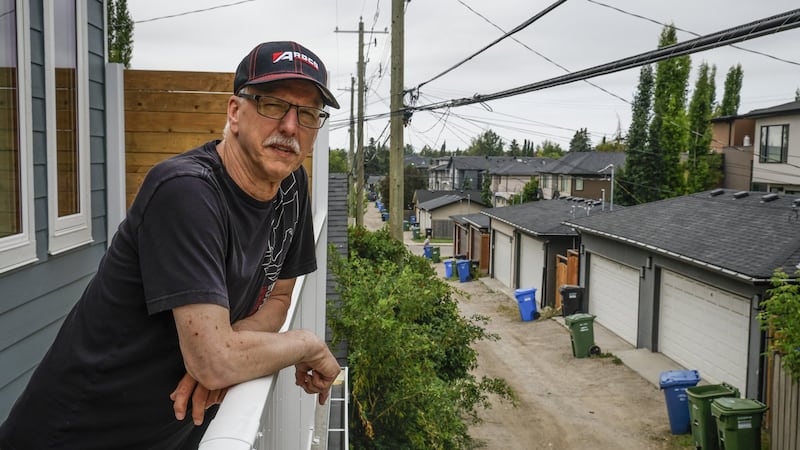
A Manitoba homeowner is raising concerns about the changing economics of solar power, saying declining rates for excess energy are making it harder to justify his investment. Medric Comberbach, who has lived in his home in Cooks Creek for 40 years, installed a 24-panel solar array in his yard in 2022 in an effort to cut his energy bills. “After a year of use, it was the best thing I ever did when it comes to power,” Comberbach said. The system cost $34,000, though $5,000 grants from both the federal and provincial governments reduced his expense. In 2023, Comberbach said he was able to sell surplus electricity generated by his panels for 6.5 cents per kilowatt hour. Since then, he said the rate he receives for excess energy has dropped. “Now it’s 9.9 cents coming in and 4.3 cents going out per kilowatt,” he said, referring to the difference between what he pays for electricity from the grid and what he’s paid for the power he supplies. Comberbach estimates his system sends nearly 1,000 kilowatts of energy to the grid each month. With the lower excess energy price, he’s worried the financial return on his investment is shrinking. “If you want Manitobans to get into solar, get into wind, don’t keep cheating us on what we are doing for the economy, for the environment,” he said. Manitoba Hydro said the historical average excess energy price since 2019 is 4.4 cents per kilowatt hour — close to what Comberbach is currently receiving. The Crown corporation notes the rate fluctuates based on market conditions. “We set the price once a year, April 1st, based on a 12-month average of what we can sell or buy that energy for on the open market,” said Scott Powell, director of corporate communications for Manitoba Hydro. While Powell could not provide the exact excess energy rate that will soon be announced, he said it is expected to increase. In the meantime, Comberbach is urging others to carefully review the numbers before making the leap to solar. “People, when they look at this, this is a really good idea,” he said. “Give us the ability to do it for ourselves and pay us.”