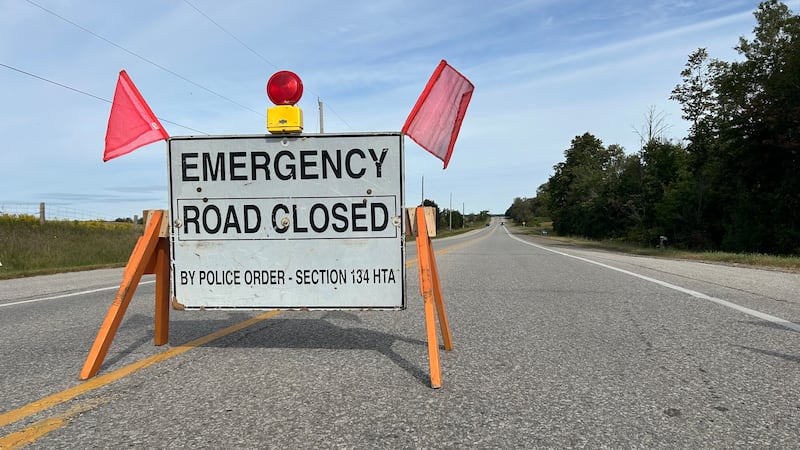
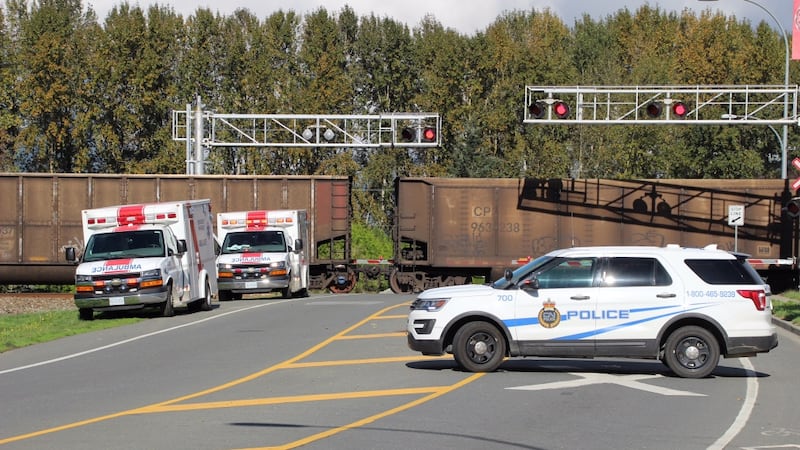
Officers were sent to a home on Talbot Road East around 2:30 p.m. Tuesday after receiving a 911 report of a violent domestic situation involving weapons. Multiple units and emergency resources responded, but officers quickly determined the call was false and no emergency existed. “There was a call, a swatting call, which is basically a fake call for service where there’s some sort of emergent situation happening,” Essex County OPP Const. Chris Ciliska told CTV News. “It calls for a large reaction on our part as well as other emergency services to handle the situation. Unfortunately, we get there and as quickly as possible we investigate and found out that yesterday was just another occurrence of this swatting, which is becoming somewhat an issue in Ontario here.” Ciliska said swatting incidents are becoming increasingly common across North America. “There’s a lot of different reasons why people do it,” he said. “Sometimes it is a targeting issue where people are trying to extort people for money or whatnot. So, they get harassed and threatened in this form.” Police say these calls can create significant stress for unsuspecting victims while also diverting emergency resources from legitimate calls for service. “On our end, obviously there’s a lot of resources that go into these type of calls just for safety reasons,” said Ciliska. “You’re taking not only police but sometimes fire and ambulance and we’re all heading there, which means if there’s another occurrence somewhere else, it may be a drain on the resources and maybe longer for us to react.” CTV News Public Safety Analyst and former OPP commissioner Chris Lewis said swatting incidents are designed to trigger a worst-case-scenario response from police. “It’s where people call police to indicate some ungodly situation has unfolded, which may involve firearms, for example, or a level of violence that would cause the police to respond in great numbers, including bringing in resources like tactical teams and K-9 units,” Lewis said. “And when that doesn’t happen, there’s a huge expense and a lot of risks involving that police response.” Lewis said swatting incidents can have consequences beyond the immediate target, tying up officers and specialized units that may be needed elsewhere in the community. “If you tie up all their resources, something else is going to drop off the table,” he said. The investigation remains ongoing. Ciliska said identifying the source of a swatting call can be challenging and often requires a significant technological investigation. “Whether it came from phones, computers, there’s so much different tech out there now. It does require a quite heavy investigation,” he said. “But we take these things very seriously because of the impact it has not only on the people involved, but on the community as well.” Police say those responsible for making false emergency reports could face charges including public mischief, criminal harassment or uttering threats, depending on the circumstances. Anyone with information is asked to contact the OPP or Crime Stoppers.