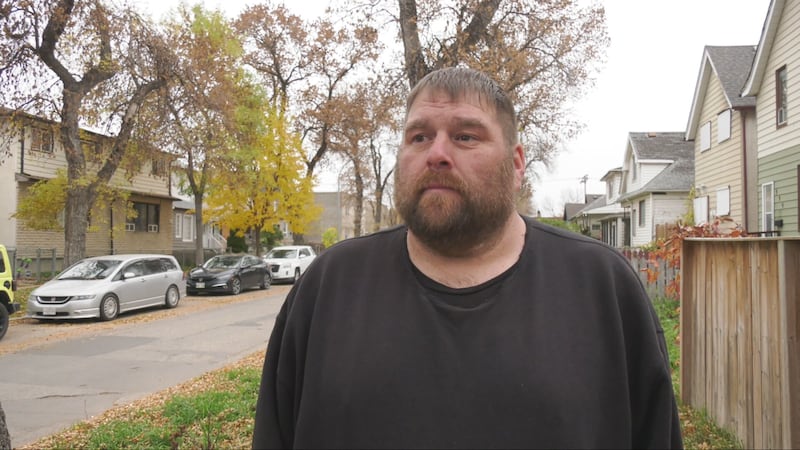
Mark Showers has been driving a big rig on Ontario highways for more than 40 years and says it’s been a rewarding career. “I was born and raised in trucking; my dad taught me everything I know. I was crawling underneath them; I was fixing brakes and greasing and everything before I was even 10 or 12 years old,” says Showers to CTV News. On Monday, the province announced plans to update training and eligibility requirements for new commercial vehicle drivers in Ontario, including a new standard entry-level truck driving curriculum. “Which is designed to give drivers the training, skills and knowledge needed to operate safely and responsibly on Ontario’s roads,” says Prabmeet Sarkaria, Ontario’s Minister of Transportation. The new curriculum will include more than 103 hours of training. The province says it is also considering additional instruction in areas such as northern, rural and remote driving, human trafficking awareness and mandatory air brake training. “It’s going to take all of us to do this,” says Ken Adams, chair of the board for the Truck Training Schools Association of Ontario. Adams’ organization represents 50 truck driving schools across the province. He says about 5,000 new commercial truck drivers entered Ontario roads last year alone. “The biggest issue is, unfortunately, we do have some educators that are not following the curriculum and are not giving the students the required training that they need, and therefore they are now getting out onto the roads without that proper training,” says Adams. Many truck drivers currently on the road say they support the latest changes. “I think a little longer in in-seat training with a professional is the way to go.” Hands-on training—that’s the way I was, was hands-on,” says Showers. The province says it will also introduce tougher penalties for distracted driving involving commercial vehicles, as well as enforcement measures targeting trucks operating without speed limiters. It also plans to implement a mandatory six-month waiting period before Class G or higher licence holders can attempt a Class A road test.