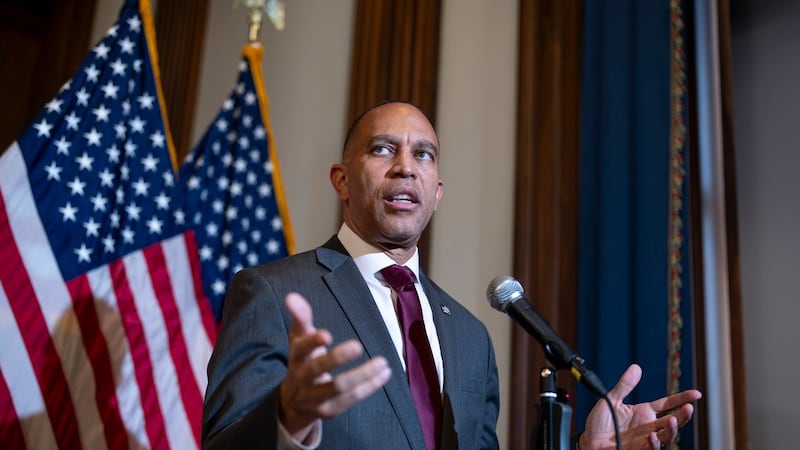
Ahead of bail and sentencing reforms coming into force next week, the federal justice minister stopped in Surrey, B.C., on Tuesday to insist the changes will make a difference. “We will not accept a Canada where people fear that they’re going to be attacked at random in the streets,” Sean Fraser told a news conference at Surrey City Hall. In the years during and following the COVID-19 pandemic, Vancouver’s core and many other downtowns across the country have dealt with street disorder and vandalism. Some businesses have been forced to replace windows over and over—with repeat offenders in some cases responsible for a disproportionate amount of damage. It’s been a situation characterized as “catch-and-release” by critics, including the federal and provincial Conservatives. But with federal reforms coming into effect soon, Fraser is making the case that the Liberal government has listened. “We heard loud and clear that we need to send a strong signal,” Fraser said. “Not only to the most violent acts, but to the highest-volume offenders who are terrorizing downtowns and causing people to feel unsafe in their communities.” The changes touch on a wide variety of issues. They include a reverse onus for bail, in which people will have to prove why they should be released rather than the previous system that put the onus on prosecutors to make the case why someone should not be released into the community. The reverse onus approach has been criticized by groups including the B.C. Civil Liberties Association, which feels certain marginalized groups will be disproportionately affected. British Columbia’s attorney general said the shift will be seen immediately in how prosecutors structure their cases. “(Crown counsel) will update their directives that are about how they make their arguments in court to align with the Criminal Code changes,” Niki Sharma said Tuesday. “Law enforcement will also do the same.” As Surrey deals with an ongoing extortion crisis, the mayor hopes changes make a difference. For example, those convicted of both extortion and arson will have to serve those sentences consecutively—rather than at the same time. “Surrey has seen firsthand how extortion and organized crime can devastate our businesses, our families and our community,” Brenda Locke said. “Surrey has been clear that public safety requires all levels of government to work together, and these reforms are an important example of that collaboration in action.”