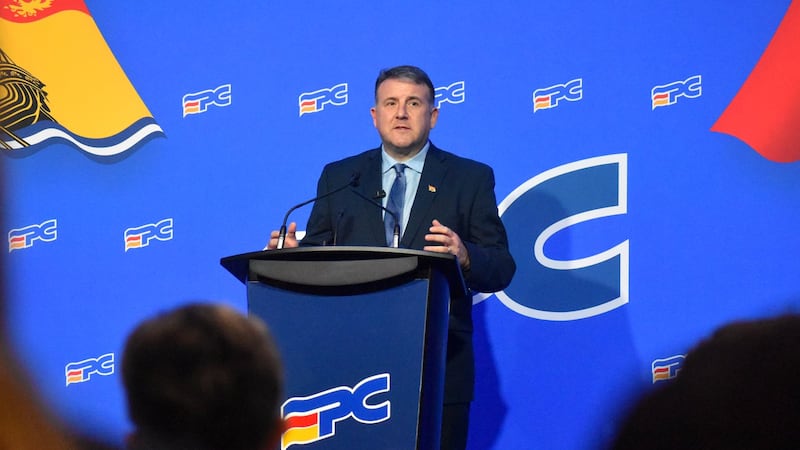
B.C. Conservative leader Lorne Doerkson announced in Surrey on Sunday that he wouldn’t raise or introduce new taxes if his party wins the provincial election in October. Doerkson was named interim leader of the Conservatives on Sept. 21—the same day Kerry-Lynne Findlay’s tumultuous leadership tenure ended with her resignation—just one day before NDP leader David Eby called a snap election for Oct. 24. As premier, Doerkson said the affordability crisis would be a top priority of his new government. “The first step to that plan to bring some stability to British Columbia: we will commit to not raise taxes on my watch,” he said. “The NDP have hit British Columbians one tax increase after another; honestly, it’s startling—they’ve raised personal taxes, they’ve raised business taxes, they’ve raised housing taxes, and sales taxes—these taxes are punitive against our residents.” In response to NDP leader David Eby’s recent election proposal to introduce a new tax on unsold condominiums and raise existing speculation and vacancy taxes to create more affordable housing in B.C., Doerkson pointed to this NDP solution as just being another tax hike. “We learned last week that they’re not done raising taxes,” Doerkson said. “The solution to condominiums that are in Vancouver that are out of the marketplace is not to add another two per cent on top of that cost.” “I will never allow our government to raise taxes on hardworking taxpayers,” he added, noting his pledge included no “gimmicks” or “accounting tricks.” Eby said the condo tax would apply to finished units left empty for more than a year. The leader pointed to what he called a “damming” report from Real Property Data that estimates thousands of unsold units worth $4.4 billion are currently sitting empty across Metro Vancouver. “They are brand new,” Eby said during a campaign stop in Burnaby. “They are ready for people to move in. They have been built.” Asked how his government would handle sudden economic downturns without raising taxes, Doerkson pointed to revitalizing the province’s industrial sectors. “Take a look at the Fraser River, up and down that river, it is full of our resources,” he said. “That industry is really struggling … I think that there’s a massive opportunity to grow that. I’ve spoken and met with industry leaders; they believe it too, and I would suggest that there’s an absolutely massive opportunity to capitalize on that.” NDP response The B.C. NDP issued a release after Doerkson’s announcement, saying he falsely claimed they “raised taxes against people that are least able to afford it,” and that it has “occurred more than 40 times.” “In fact, the typical working family with an income of $100,000 now pays $3,000 less in taxes under the B.C. NDP now than they did under Doerkson’s B.C. Liberals. British Columbians pay the lowest middle-class taxes in the country,” reads a statement from the party. “The B.C. NDP has, however, asked the top 2% of earners, speculators, and owners of $3-million-plus houses to pay a bit more, so everyone else can pay less.” Further, the B.C. NDP said Doerkson’s pledge not to introduce or raise taxes “confirms that the B.C. Conservatives would make deep cuts to healthcare to balance the budget.” To affirm their claim, the B.C. NDP said the Conservatives’ plan to cut the deficit would require new revenue sources or deep cuts to services. The party said, if Doerkson scraps Eby’s proposed plan for unsold condos, housing costs would drive back up and keep condos unaffordable. With files from The Canadian Press