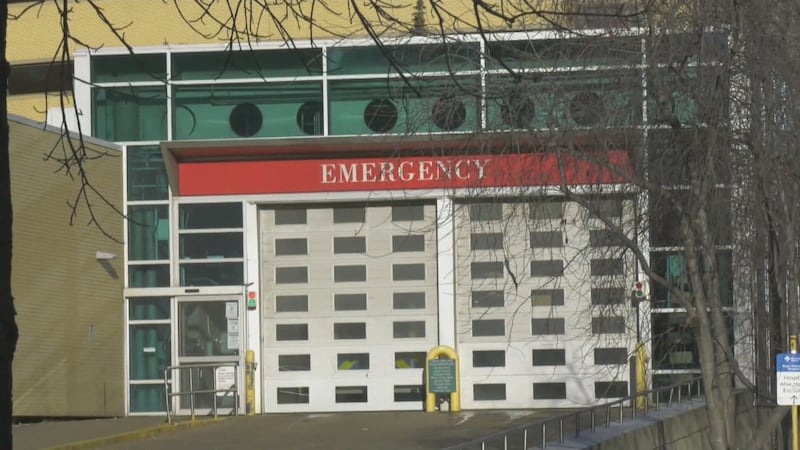
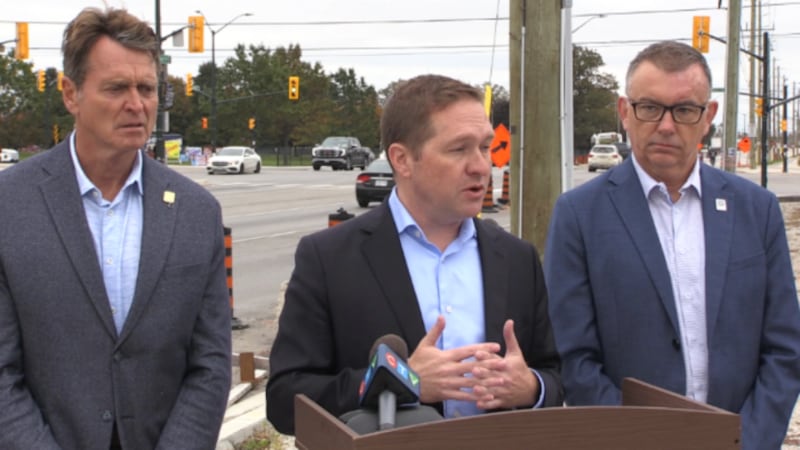
The Business and Economic Support Team of Waterloo Region, also known as BestWR, has put together a new scorecard meant to track the community’s readiness to reach one million residents by 2050. “What are the building blocks that we need to have in place to be a successful community of a million people, and a community worth living in?” asked BestWR Chair Ian McLean. “We’ve identified some issues that need to be addressed. Let’s get to work on them. I don’t think there’s anything that this community cannot accomplish if we put our minds to it, and are focused, and people know part of the puzzle that they need to put in place.” BestWR is chaired by the Greater Kitchener Waterloo Chamber of Commerce and includes organizations such as Communitech, the Cambridge Chamber of Commerce, Explore Waterloo Region, and the Waterloo Region Economic Development Corporation. It plans to put out an updated report card every six months, adding that it’s not about assigning blame but about finding a way to achieve a common goal. The report focused on five main areas: housing, transportation, healthcare, employment/jobs and placemaking/livability. Healthcare was one area in need of improvement. “We need a new hospital that will create energy around getting the health care professionals we need, whether it’s family doctors, specialists, those sorts of things,” McLean explained. The report card also highlighted the need for additional employment opportunities. McLean expressed support for the creation of development sites, like the Wilmot Township land assembly. “You’re not going to create 100,000 jobs just in small business, we have to have some anchor employers,” he explained. “Who is the next Toyota or the next Google that’s going to have six, eight, 9,000 jobs? A supply chain that creates, like Toyota does, somewhere in the order of 30,000 jobs in this region?” While the report looked at the five sectors separately, McLean said they should be considered as a whole. “LRT Phase 2 needs to be done. It needs to be completed, if we’re going to build 70,000 housing units,” he added. “It’s not homes, it’s 70,000 housing units, to accommodate people that are going to be living here. So, a lot of these things are interconnected. If we have a million people, roughly speaking, it’s about 100,000 jobs that need to be created in the next 25 years. [The] LRT is connected to housing, and housing is connected to jobs, and health care is connected to quality of life.” BestWR’s report card is supported by the Future Cities Institute at the University of Waterloo, a group of industry leaders and researchers looking at success metrics. They said the organization would engage with stakeholders and community members to help inform the biannual report. “This is a first of its kind academic business partnership in Canada,” explained Eryn Stewart, managing director of the Future Cities Institute. “We’re really excited about it. It’s being led by the business community that we have here in Waterloo Region. It’s also scalable. There’s a lot of other regions that have growth readiness gaps. We’re looking forward to the scalability and working with communities.” Karen Redman, chair for the Region of Waterloo, looked forward to the partnership. “This scorecard tool, created by BestWR and the Future Cities Institute, highlights the critical investments to be able to accommodate that growth and where we need to focus our collective efforts,” Redman said in an email to CTV News. The next report card is expected to be released in six months. The full version can be viewed here.