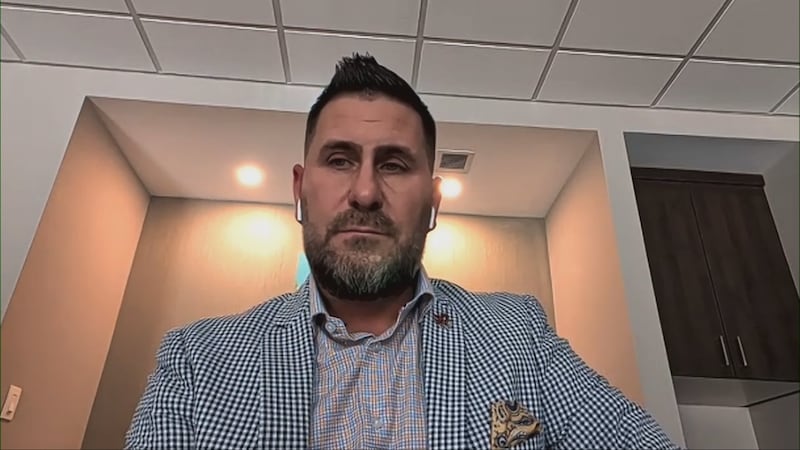
With the municipal election now less than a week away, Winnipeg mayoral candidates were out sharing their plans for buildings, roads and infrastructure. Kevin Klein spent Thursday morning sharing his proposal to deal with vacant buildings. He has specifically sent letters to Prime Minister Mark Carney and Premier Wab Kinew calling on them to help create community opportunity zones in the city. “These zones would let investors defer or eliminate federal capital gains tax when they invest in our economy, in our distressed, underserviced neighborhoods,” Klein said. He also noted if elected mayor, he will also create specific Indigenous economic zones. “If an Indigenous business buys a vacant property to build a home or a business, the city will remove the municipal property tax on that property,” Klein said. “That goes back to what I heard from our Indigenous leaders, that economic reconciliation is the key to move forward.” Klein said private investment in the neighbourhoods, compared to economic grants, are key to helping attract business and housing and help removed boarded up buildings from Winnipeg neighbourhoods. Meanwhile, Umar Hayat has proposed spending $400,000 annually on an independent road construction standards and accountability committee. “Winnipeg residents deserve roads that last, not potholes that return, repairs that fail prematurely and construction projects that repeatedly cost taxpayers money,” Hayat said on Thursday. Hayat said the committee would include professional civil engineers, pavement specialists and construction material experts to review how the city maintains its roads and also hold contractors accountable for their work. Don Woodstock also focused on infrastructure during his announcement Thursday, saying he would implement a homebuyer and taxpayer protection act to help homeowners. The act would ensure homeowners moving into new developments won’t have to pay full property taxes if roads, sidewalks and other infrastructure have not been completed on schedule. “Too many Winnipeg families buy a new home, move in, and discover unpaved streets, missing sidewalks, and broken drainage, yet their tax bill charges them 100 per cent of the property tax rate,” Woodstock said in a statement. “It’s unfair to homeowners, and it leaves taxpayers on the hook when poorly built infrastructure breaks down.” Election day is Oct. 28.