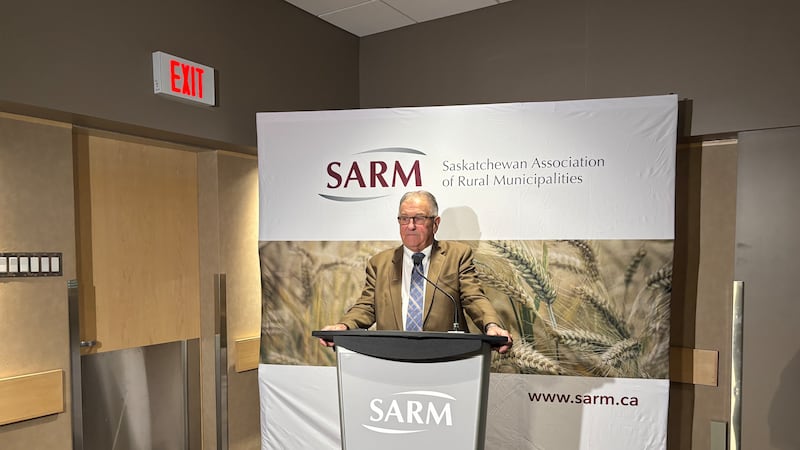
The Government of Saskatchewan is reversing its decision to end the chronic wasting disease testing program. On Thursday, the province announced it had updated its testing approach for the 2026-27 hunting season to be in line with the approach used in 2025-26. The province says the revision was made in response to feedback received from hunters who stressed the importance of continued testing when making decisions about consuming wild game. “We heard clearly from hunters that access to CWD testing matters to them and their families,” said Environment Minister Darlene Rowden in a news release. “Returning to the previous testing approach will provide hunters with information to support their decisions and maintain important surveillance information to support wildlife management.” Speaking to reporters Thursday afternoon, Rowden said many rural MLAs told her they were getting calls and emails to their offices concerning the decision, and hers was no different. “We made a mistake,” Rowden said. “Sometimes decisions get made with not all the right voices there.” The province will continue to enact mandatory testing in designated wildlife management zones and will continue to accept eligible voluntary samples through the existing CWD program. Last week, the province said its decision to end the program was based on a desire to find efficiencies and also cited low program uptake. Rowden explained Thursday that it was partially a budget decision, as the province was exploring the idea of expanding the mandatory testing zones and would have incurred further costs as a result. “So there were questions on exactly what the program looks like, who should pay for what, and so a hasty decision got made and we’re correcting that today,” Rowden said. The province reiterated it will also continue to test samples already submitted. “The revised approach will allow the ministry to continue collecting information about the prevalence and distribution of CWD, support wildlife health monitoring and provide individual hunters with the status of submitted samples,” read Thursday’s release. “Hunters required to submit samples must continue to follow the requirements that apply to the wildlife management zone, species and license under which the animal was harvested.” The province further advised hunters to continue to follow current submission instructions and visit Saskatchewan.ca/CWD for testing information, eligible species submission locations and updates. It added that the web content is expected to be updated later today. Hunters are expected to be notified of the updated requirements by Oct. 31, 2026. Saskatchewan Wildlife Federation approves The Saskatchewan Wildlife Federation (SWF), a vocal critic of the attempted cancellation, welcomed the reversal. “We appreciate the government listening to the concerns raised by hunters and conservation organizations,” SWF executive director Darrell Crabbe said in a statement Thursday. “CWD testing is an important resource for hunters and provides valuable information to help monitor the disease in Saskatchewan’s wildlife. We are pleased to see it reinstated.” The federation thanked its members and hunters who reached out to their MLAs and voiced their concerns over the attempted cancellation. SWF said it looks forward to working with the Ministry of Environment to help develop recommendations for the 2027-28 season and “beyond.” NDP praises decision Also speaking to media Thursday was NDP MLA Trent Wotherspoon, who agreed with the government’s decision to reverse its cancellation of the CWD testing program. “This was a really bad move made mid-hunting season with zero consultation with hunters in the province, so I’m really pleased to see the government come to their senses and reverse this senseless decision,” Wotherspoon said. “This is an important program that hunters rely on and provides important research, so I’m pleased to see this reversal.” Wotherspoon also commended the efforts of conservation officers, the SWF and the province’s hunters for speaking out against the initial decision. With files from Katy Syrota and David Prisciak