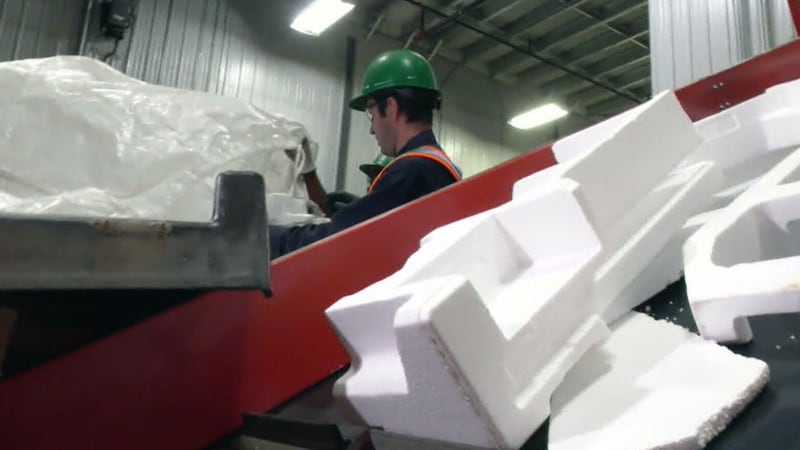
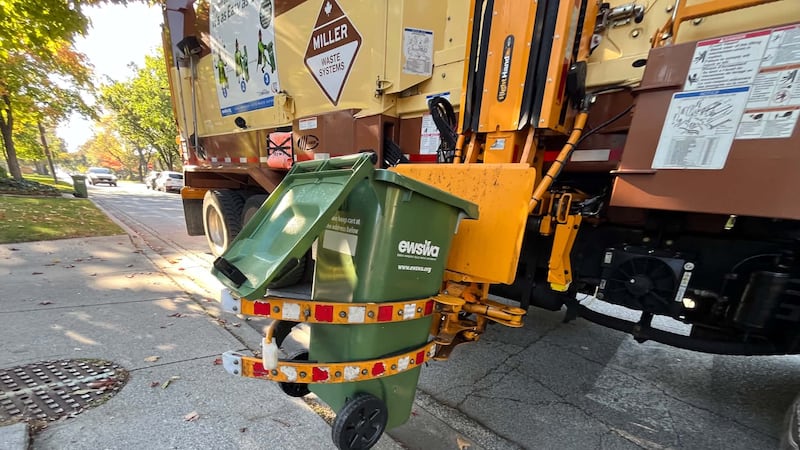
It’s Waste Reduction Week in Saskatchewan. Lasting from October 19 to 25, the event stresses the importance of working toward the Government of Saskatchewan’s waste reduction targets. Back in January of 2020 the Government of Saskatchewan laid out the Solid Waste Management Strategy. It looks to achieve a 30 per cent drop in waste generated by individuals by 2030, and a 50 per cent drop by 2040 compared to 2014 levels. In 2025, over 500 million beverage containers were recycled, more than 38,000 tonnes of paper and packaging were processed, and upwards of hundreds of thousands of litres of paint, oil, corrosives and other liquids were collected. Pamela Berry of the Ministry of Environment’s Waste Stewardship and Recycling unit says there are still plenty of opportunities to increase the number of items recycled and repurposed. “On average about half of the items that end up in your garbage bins at home can be diverted. So it’s a great change to look at what you’re throwing in that garbage bin and see if you can recycle it instead” Berry said. But recycling or composting an item isn’t always possible. Berry says appliances and long unused household items are often discarded when they could be donated. “Take advantage of the recycling programs that are available in your community. And look for ways that you can pass it on. Maybe some of those things in your house that you no longer need can be donated to someone else who might need them as well,” Berry said. The government has partnered with organizations like the Saskatchewan Waste Reduction Council (SWRC) in order to establish the best practices to meet waste goals. “Building a more waste-free Saskatchewan takes all of us,” SWRC executive director Naomi Mihilewicz said. “We are pleased to work with the Ministry of Environment and communities across the province to help make waste prevention, reuse and recycling easier and more accessible in our everyday lives.” Mihilewicz says that about 40 per cent of waste nationally comes from households with the other 60 percent coming from commercial and industrial processes. To get Saskatchewan’s total waste numbers down, both will need to be accounted for. “Then making sure that we have programs in place to handle commercial waste, demolition waste, that kind of thing,” he said. According to the Ministry of Environment, personal waste levels have dropped since 2020. By 2024, individual waste had been cut by 19 per cent, well on pace to reach the province’s goal of 30 per cent by 2030.