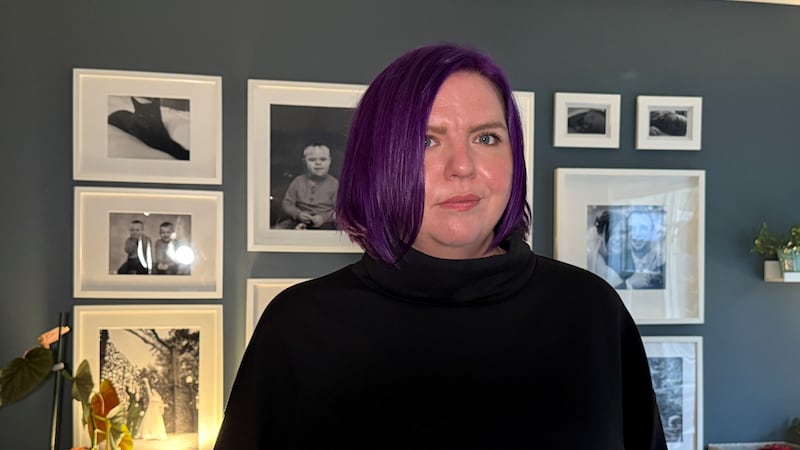
Fewer than half of Canadian children aged four and under are meeting recommended screen time limits, while researchers say the early years offer a crucial opportunity to establish healthy habits that can last a lifetime. ParticipACTION’s 2026 Report Card on Physical Activity for the Early Years, released Oct. 21, found that 48 per cent of children aged zero to four meet screen time recommendations. The first report of its kind from the organization also found that 67 per cent meet physical activity guidelines and 80 per cent meet sleep recommendations. University of Victoria associate professor Dr. Jean Buckler served on the report’s national research committee. She says the findings show why supporting healthy movement requires more than asking families to change their routines. “When children are on screens, the question is, what are they not doing?” Buckler said. Time spent passively watching screens can replace opportunities to move, play, sleep and develop important physical, cognitive and social skills, she said. Canadian guidelines recommend no screen time for children younger than two. For children aged two to four, the recommendation is no more than one hour per day, with less being better. Although the guidelines have been in place since 2017, the new report provides a national snapshot of how children in their earliest years are meeting recommendations for movement, sleep and screen use. A promising start, but gaps remain While 67 per cent of children meet physical activity recommendations, just one in four meets all three recommendations for physical activity, sleep and screen time. Buckler says the early years are an important opportunity to help children build physical skills and discover the enjoyment of movement. Physical activity supports healthy development, including growing bones, physical health and mental well-being. Establishing positive experiences with movement early may also help children maintain healthier habits as they grow. But access to those experiences is not equal across Canada. Where children live can make a difference The report highlights barriers facing children in lower income households and rural communities. Children from lower income families are less likely to participate in structured physical activities and may have less access to recreation facilities. Children living in rural areas also face challenges accessing organized activities. Buckler says those differences underline why the responsibility cannot rest entirely on parents. Access to playgrounds, recreation centres, childcare environments and safe places to play all influence how easily children can be active. “There are so many spaces and places where we can support healthy movement from a policy and systems perspective,” Buckler said. She says communities and decision makers need to consider how those environments can better support families, particularly those facing the greatest barriers. Why the early years matter The consequences of inactivity can extend well beyond the preschool years. Buckler says physical activity levels decline as children get older. By adolescence, only one in five young people meets Canadian physical activity recommendations. Helping children develop movement skills while they are young can give them a foundation for staying active later in life, she said. There is also a broader economic impact. Physical inactivity costs Canada an estimated $3.9 billion in avoidable health-care costs each year, according to the University of Victoria. Buckler remains hopeful that the report can help prompt action, provided the findings lead to changes in the places where children live, learn and play. For her, the goal is not to put more pressure on parents already juggling competing demands. It is to make healthy movement easier to achieve for every child. “I think that if everybody gets out there, reads the report, and takes action in their own area, we can really come together and support our youngest Canadians in achieving their best possible health,” she said.