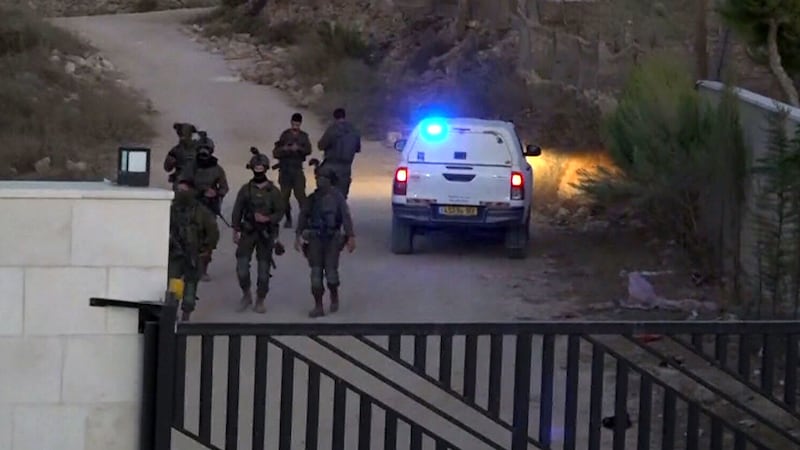
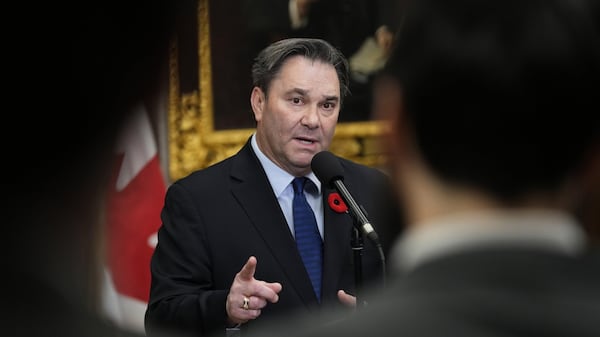
The American and Israeli militaries continue to pummel targets in Iran following the assassination of that country’s supreme leader over the weekend. The killing was welcome news to many in the Iranian-Canadian community in Metro Vancouver, who hope the conflict ultimately brings about the fall of the country’s hard-line Islamic regime. “At the end of the day, this is what the people of Iran are asking for, and therefore the people are echoing their demands,” Iran International English journalist Negar Mojtahedi told CTV News from Vancouver following a series of large rallies in recent in days by members of the Iranian diaspora in support of the American-led attack. It comes after decades of oppression inflicted on the people of Iran, including high-profile incidents in recent years. “The Iranian people have been rising up against this regime a number of times,” noted Mojtahedi. “Most recently, Jan. 8 and 9, before that during the ‘Woman, Life, Freedom’ movement, before that in 2019 in bloody Aban, bloody November. And every time what happens? People get killed.” CTV News asked Premier David Eby for his comments on the ongoing situation in Iran. “Our thoughts are with all the civilians, the people just going about living their daily lives in the Middle East who are facing the realities and the horrors of war,” Eby said during an unrelated news conference on Monday. “Certainly for the people of Iran, we pray for peace and freedom for them and relief from the tyranny from the dictatorship they’ve been living under.” In retaliation to the U.S.-led action, Iran and Iran-backed militias are firing missiles at Israel and Arab states. As for other local implications, gas prices are expected to rise in Metro Vancouver and around the world. That’s because the focus of the conflict has been near the Strait of Hormuz, where 20 per cent of global crude passes through on its way to market. “When prices go up in one part of the world, they tend to draw up prices in other parts of the world, because oil is fungible – it can be shipped from one place to another,” Simon Fraser University School for International Studies adjunct professor Robert Springborg told CTV News on Monday. “We’re not immune to global price rises. Our supply is not under threat; our prices are under threat.”