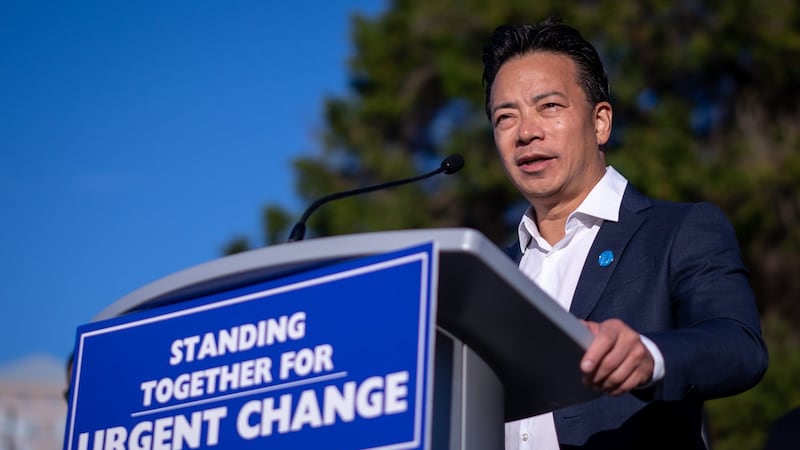
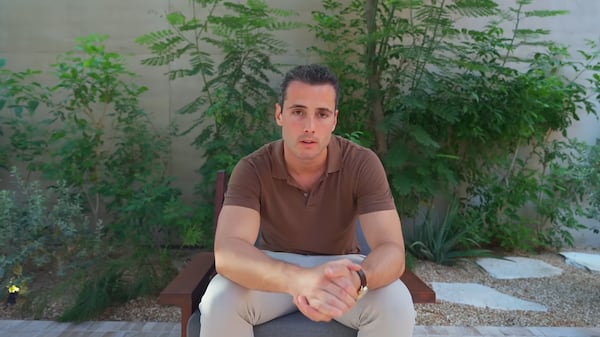
The Federation of Sovereign Indigenous Nations (FSIN) released its latest response to a forensic audit from the federal government demanding a repayment of nearly $29 million. On Monday, FSIN allowed one local media outlet an opportunity to attend an availability, which the FSIN called an “exclusive” in a lengthy media release issued Tuesday afternoon. A video of the availability, where Chief Bobby Cameron and a number of other chiefs spoke, was also released on the group’s Facebook page. “It’s a small handful who have made a lot of ruckus with (Indigenous Services Canada) officials and some of the officials in Ottawa,” Cameron said on Monday. “It’s unfortunate that we’ve come to this point. This will be the first and last time I address this.” In the release, FSIN takes issues with how the audit has been depicted, and a number of the specific allegations that led to ISC expecting FSIN to repay the ineligible and unsupported expenses, as well as overhauling its financial systems to ensure future compliance with funding agreements. The organization representing 74 First Nations in Saskatchewan says the ongoing audit is “not a matter of misuse of funds, but a fundamental disagreement in interpretation, one that has been applied retroactively and without full and proper consideration of the facts.” The FSIN took aim at allegations of fraud, personal gain or “intentional” wrongdoing that have been circulating since ISC completed an audit reviewing finances from April 1, 2019 to March 31, 2024. The federal government initially released an audit summary and recommendations in September 2025, and had further meetings with FSIN in November 2025, before sending a letter two weeks ago reviewing comments provided during the latest meeting, and detailing the repayable items. “Canada wasted two years and a ridiculous amount of money pursuing a forensic audit based on misinformation and a political stunt. It is time to end this and move forward on our mutual goals of Treaty Protection and Promotion for the betterment of our Nations,” Cameron said in the news release. The FSIN says it responded to ISC on Feb. 27 and provided supporting documentation, which it believes aligned with FSIN policies and funding agreements with ISC. Other contentions listed in the release are with the more than $23 million of ineligible COVID-19 spending, and the organization’s differing opinion on nearly $2 million worth of administration fees. The FSIN maintains administration fees are intended to support governance, operations, and the infrastructure required to deliver programs “consistent with how all governments function.” However, ISC considers its use of fleet vehicle purchases, funding going towards its new office building near the airport, and funding going directly to the offices of Cameron and the rest of the executive as ineligible or unreasonable. A letter from ISC to Cameron leaked to the Band Members Alliance and Advocacy Association of Canada (BMAAAC) via a whistleblower says “the absence of annual budgeting and assessments of administrative fees necessary to support operations prevented auditors from verifying whether these allocations were reasonable.” “I think the band members and even the taxpayers in Saskatchewan have to see some sort of accountability other than FSIN saying, ‘we’re going to review some policies’ in response to this significant forensic audit result,” said Rob Louie, the group’s president. Louie says his volunteer-run organization is the only one of its kind in Canada getting band members access to justice. He says he may be willing to help bands seek legal action if there’s wrongdoing with FSIN’s ISC funding. “There has to be a legal consequence of this. Somebody’s head should roll, somebody should be locked up,” Louie said. The FSIN says it responded to over 700 audit-related questions and data items in 10 business days. It also says the unsupported COVID spending on personal protective equipment flagged in the audit as untraced or undelivered was in fact delivered, and the staff who put their health at risk to deliver PPE should be celebrated and not denied. The letter obtained by BMAAAC says the blending of ISC funding with revenue from other sources in FSIN financials “complicated the review process and obscured the source of funds in some cases.”