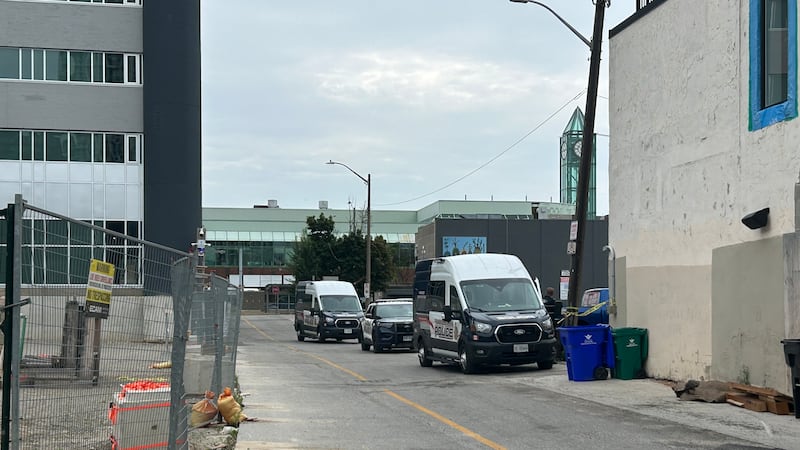
The Ottawa Police Service says it continues to work toward building “a more compassionate, equitable, and accountable police service,” as it marks 10 years since the death of Abdirahman Abdi, a Somali-Canadian man whose violent arrest sparked outrage, protests, and led to a coroner’s inquest. Abdi was accused of sexually assaulting a woman at a coffee shop in Hintonburg on July 24, 2016. He ran back to his Hilda Street apartment, where he was brought to the ground by police officers and handcuffed. CCTV footage of his arrest showed one of the officers, Const. Daniel Montsion, punching Abdi in the head. He died in hospital the following day. Montsion was charged with manslaughter, aggravated assault, and assault with a weapon, but was acquitted on all counts in 2020. The jury at a 2024 coroner’s inquest deemed Abdi’s death a homicide, as it made more than 50 recommendations aimed at preventing similar deaths in the future, more than half of which were directed to the Ottawa Police Service. In a lengthy statement on Friday, the Ottawa Police Service said it continues to “remember Mr. Abdi and recognize the enduring grief experienced by his family, friends, and community.” “His death had a profound impact on Ottawa, particularly on Somali, Black, and Muslim communities, and raised important questions about policing, mental health, race, and the use of force,” the statement said. The police service outlined several efforts it has made in the past several years, including the creation of the community-led Guiding Council, which helped establish the non-police mental health intervention program ANCHOR, and the Mental Health CHANGE Initiative, which was prompted by the inquest recommendations. “One of those recommendations was to establish a Mental Health Advisory Council which was done with support from the Community Equity Council and community partners. The MHAC has been meeting regularly since September 2025 to focus on providing advice and recommendations that improve police interactions with individuals experiencing a mental health crisis,” police said. “MHAC actively offers informed perspectives, best practices, and feedback to OPS leadership, including suggestions related to training, education, community engagement, policy development, and other areas.” The Ottawa Police Service Mental Health Crisis Unit was expanded and is comprised of two sergeants and nine constables, the statement said. The police service also established three mobile crisis response teams that work with the Ottawa Hospital, The Royal, the Youth Services Bureau, CHEO, and Kids Come First. Police also cited “strengthened education in de-escalation, active bystandership, trauma-informed and anti-racist approaches, cultural awareness, and the effects of trauma and brain development on mental health and substance use” during training, the addition of body-worn cameras to frontline officers, and a new Community Use of Force Review Panel. The 2025 use of force report showed Black and Middle Eastern residents were over-represented in police use of force incidents that year compared to the general population, though at a lower proportion than the year prior. “While these initiatives represent progress, we know that trust is not rebuilt through mere statements or individual programs. It must be earned through sustained change efforts, transparency, accountability, and better outcomes for the people we serve,” the police statement said. “In memory of Mr. Abdi, and in an effort toward meaningful change, we continue the work needed to build a more compassionate, equitable, and accountable police service.”