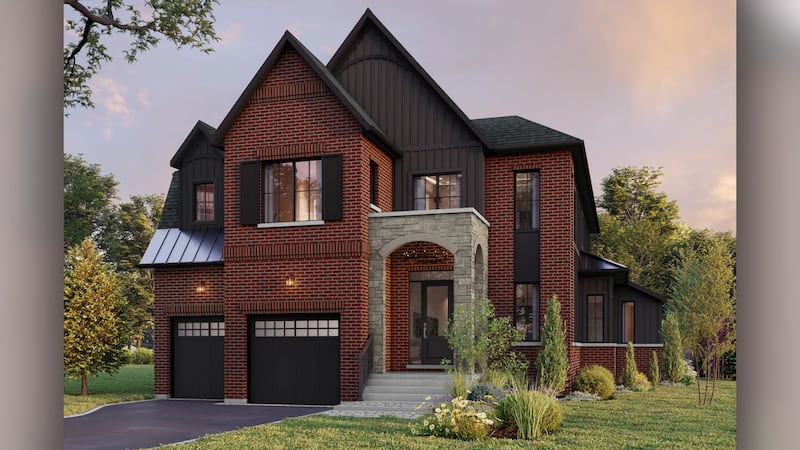
The City of Ottawa is inviting residents to declare the occupancy status of their properties under the vacant unit tax (VAT), as new data shows hundreds of previously vacant homes have been returned to the housing market. The vacant unit tax was implemented in 2022 to encourage homeowners to occupy or rent their properties as part of the plan to address a shortage of affordable housing units in the city. Property owners are required to complete the declaration by March 19, 2026, or face a $250 late fee. Properties vacant for more than 184 days during the previous calendar year are taxed at a rate of one per cent of the property’s assessed value, with that revenue used to fund affordable housing. On Monday, the city opened the vacant unit tax declaration portal for residents who want to declare early. The formal declaration period will open on Jan. 1, and residents will receive an email notice or a paper notice to remind them they must fill out the declaration form. You can submit your declaration at In 2024, 99.7 per cent of property owners submitted the declarations for their property. Units returned to the market A total of 4,140 homes were declared vacant in Ottawa in 2023, including 1,244 identified by an audit. A total of 3,669 homes were vacant in Ottawa in 2022. Of the 4,140 units declared vacant in 2023, 1,219 units were single-detached homes, 1,163 units were condos in Ottawa and 986 were multi-unit residences with up to six units. In a memo to council on Monday, Deputy Treasurer Joseph Muhuni said 1,602 previously vacant units were returned to the housing market between 2022 and 2023. “Achieving the same housing supply increase through new construction would require approximately $400.5 million in capital investment at a cost of $250,000 per unit,” Muhuni said. Muhuni says the vacant unit tax declaration program identified 2,067 properties that remained vacant for two consecutive years. Rideau-Vanier had the highest number of vacant units in 2023, with 536 units, followed by 466 vacant units in Somerset, 282 empty units in Kitchissippi and 274 vacant units in Alta Vista. The vacant unit tax generated $14.3 million in revenue in 2023, with the net proceeds directed to the city’s affordable housing reserve.