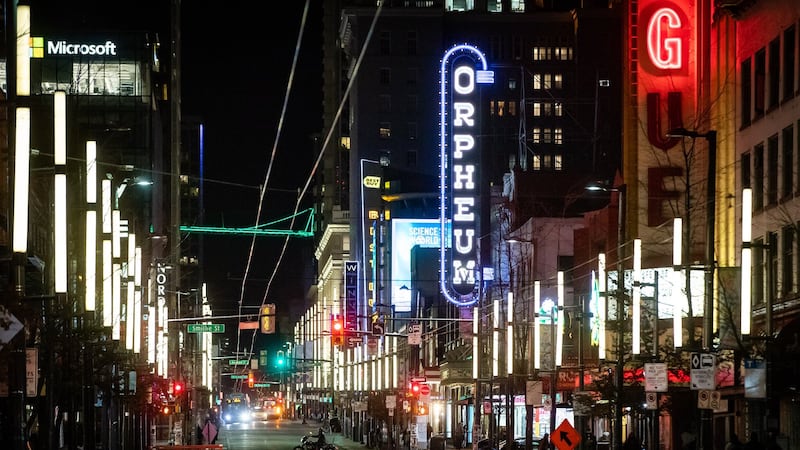
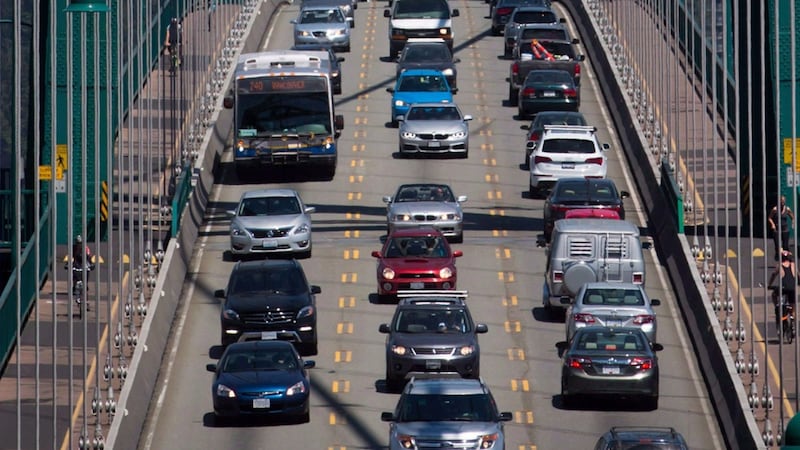
Montreal drivers lost an average of 63 hours per year in congestion, the most of any major Canadian city, according to the INRIX 2025 Global Traffic Scorecard released this week. That total places Montreal 28th among the most congested cities worldwide. In 2025, congestion increased in Montreal by about nine per cent over last year (11 per cent from 2023) — marking the city as the worst-performing large Canadian metro for congestion. Toronto ranks second in Canada at 59 hours, down three per cent from 2024 and six per cent from 2023, the scorecard states. “Having driven through Toronto, even not during rush hour, it’s always congested. There’s always problems,” said CJAD 800 Radio morning traffic reporter Debbie Marsellos. “It takes much longer to get anywhere in Toronto than here, so I really thought we were in better shape.” Vancouver is third, at 46 hours lost in traffic for 2025, which is the same as 2024, but down six per cent from 2023, according to the same report. No other Canadian city ranks in the top 100 worldwide. Marsellos blames some of it on road design. “Some of the roads, the way that they’re designed, there’s congestion all day long, even when it’s not rush hour. And so, for instance, the Metropolitan west is always congested between the Laurentian Autoroute and Decarie, heading to Decarie south,” she said. As for Highway 13 north, she says it’s a common source of congestion. “It’s one of the first ones for the afternoon rush hour into Laval that starts to back up to Highway 20 west, and they’ve redone it through Turcot. From Turcot to Ville- Saint-Pierre, the lane configuration doesn’t really make sense,” she said. “And so there’s continual congestion there, and folks used to avoid Decarie because that was always congested and take the 20, and now it’s the opposite.” The number of lost traffic hours in Montreal, while high by Canadian standards, is lower than in the worst-off cities internationally. For example, drivers in Istanbul, Mexico City, or Chicago lose well over 100 hours per year in congestion. INRIX argues that lost time in traffic isn’t just an annoyance, it’s an economic and environmental burden. Hours stuck in slow-moving traffic represent lost productivity, additional fuel consumption, and increased environmental impact, the report states. The INRIX 2025 Global Traffic Scorecard analyzed traffic patterns in 942 urban areas and found 62 per cent saw increased delays compared to 2024.