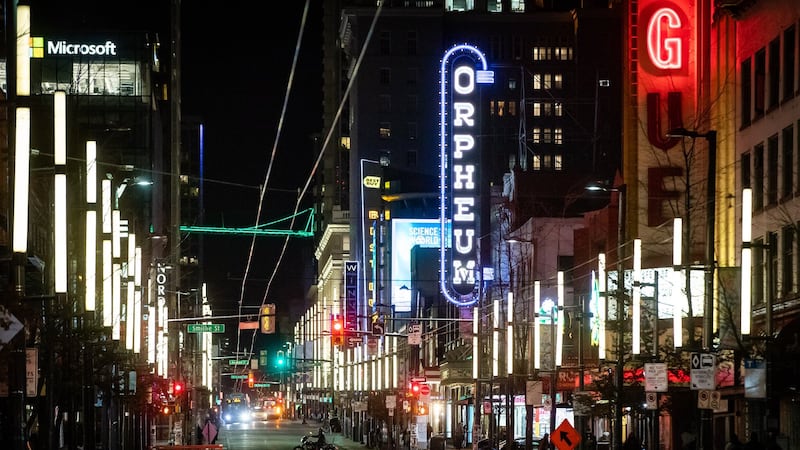
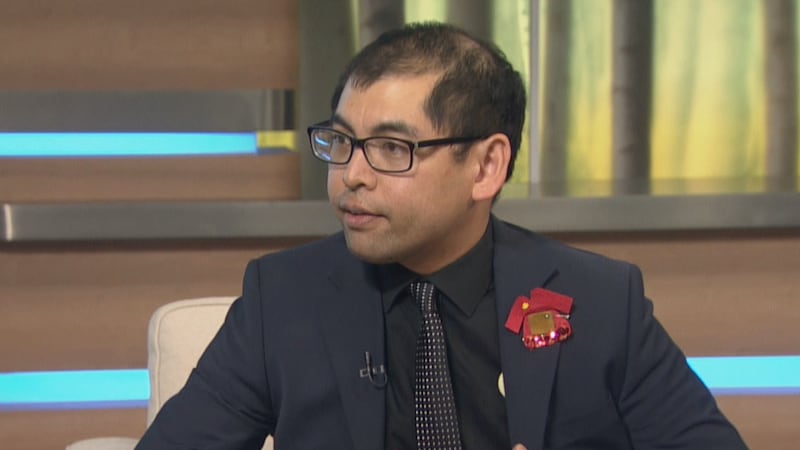
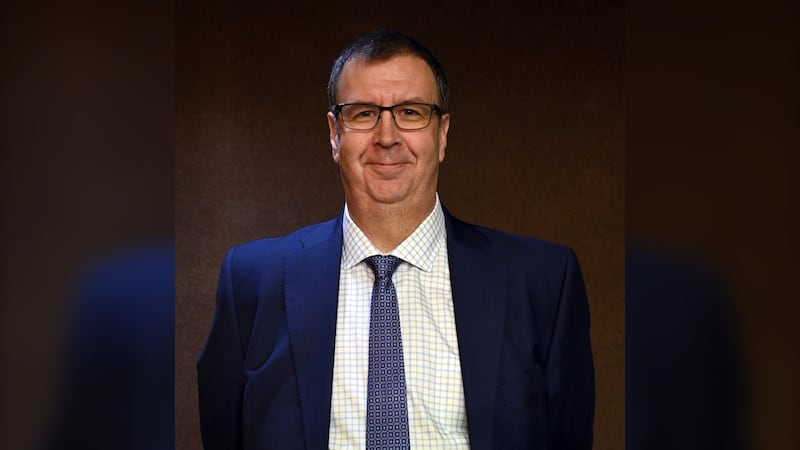
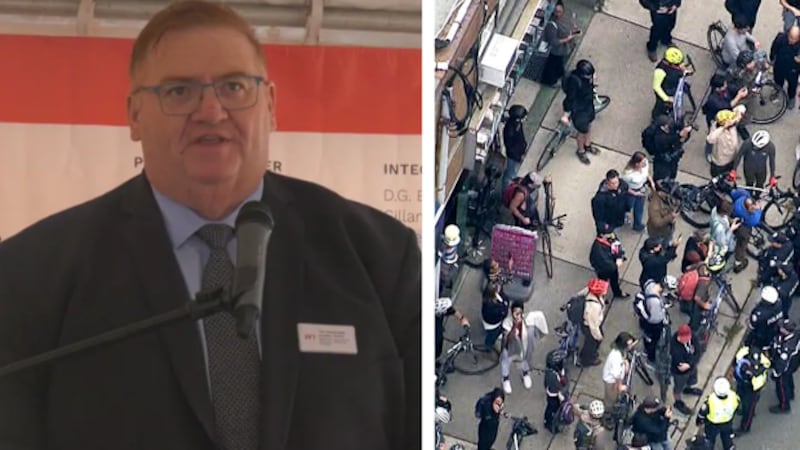
Fresh off his victory in Saturday’s municipal election, Vancouver’s next mayor is preparing to lead a city council largely comprised of progressives from three separate parties—some of whom have never held office. “Most of them are very new at this,” Pete Fry said Monday. “So we’re going to have to get them onboarded and figure out where we are aligning on things.” Speaking to CTV Your Morning’s Keri Adams, Fry detailed some of his plans to tackle Vancouver’s biggest problems, and how he expects to differ from his predecessor Ken Sim and the outgoing ABC majority council. On housing, Fry said he wants to pursue a “buy-local” procurement mandate he hopes can support B.C.’s forestry sector as companies struggle to survive U.S. tariffs. “I’m quite bullish on the idea of wood-frame construction as sort of a panacea to some of our housing challenges,” the mayor-elect said. “And this might be a great opportunity—through British Columbia’s largest construction market—to actually lean in and do some housing that supports B.C. industries.” His Green Party of Vancouver election platform pitched “pre-approved housing designs” as a way to reduce approval times and costs for both individual homes and rental buildings, including with wood-frame mid-rise apartments. “The opportunity with wood-frame is that we can get them built faster and cheaper, and it’s a more gentle scale that I think fits better with a lot of established neighbourhoods,” Fry said. The platform also proposed emphasizing modular or prefab homes the party dubbed the “Vancouver Special 2.0.” Daytime shelters When it comes to street disorder—a major focus of Sim’s campaign—Fry said he wants the city to pursue a new direction from his ABC predecessors. The Green platform proposed reversing Vancouver’s ban on new supportive housing projects, while expanding low-barrier daytime shelter spaces with services and supports for homeless people who have nowhere to stay after temporary overnight shelters close in the morning. “Where I think that we can do things a little bit differently is proactively addressing some of these issues of street disorder and finding better places for folks to go—places that have daytime shelters, that have toilets, that have consumption sites,” Fry said. “Opportunities to say, ‘You know what, you can’t do that here, but you can do it over here, and then we can work on getting folks better.” Sim and his councillors added two plebiscite questions to the election ballot, one asking if the city should “strengthen its laws to forbid open-air drug use”—something that’s already illegal—and another asking if officials should “formally ask the province of B.C.” to add local involuntary care beds. The results will not be released until Wednesday, but Fry suggested even a strong “yes” result would not guide the city’s approach. “Those are non-binding plebiscites,” he noted. “So the plebiscites are all well and good, but they don’t really inform any decision-making process.” Fry also pointed to an announcement Friday from Providence Health Care that the new St. Paul’s Hospital will include 90 secure mental health beds. Working with the next government The mayor-elect said he’s spent the days since Saturday’s vote both responding to well-wishes and connecting with candidates who didn’t make it across the finish line—to ensure they felt “validated and valued.” “Quite a few folks who got unelected had made valuable contributions,” the mayor-elect said. “Not just here in Vancouver, of course, but across British Columbia—because we had big changes across B.C.” Vancouver’s council will be made up of four Green councillors, four COPE councillors, one OneCity councillor and one ABC incumbent, meaning Fry’s party will need to seek consensus in order to get things accomplished. 2 They also won’t know who they’ll be dealing with at the B.C. legislature until after next weekend’s provincial election. Fry said he worked with MLAs from both the ruling party and Opposition during the last eight years he spent on the board of the Union of B.C. Municipalities, and has “good relations with everyone.” “I don’t want to presuppose how this election is going to go,” he added. “We have a big province and we have a lot of diverse interests and needs, so whatever shakes out in the provincial election, we’re going to have to work with everyone and work together.”