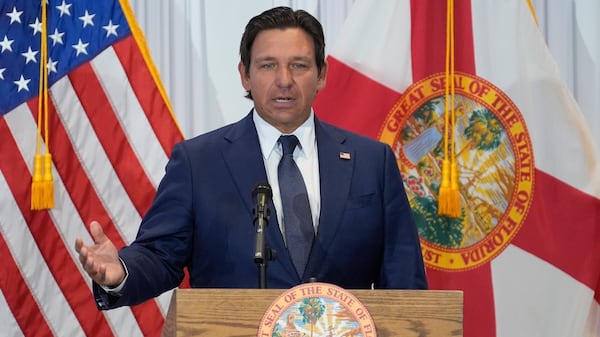
The Pentagon is holding back shipments of some weapons to Ukraine as new intelligence reports project that as many as 30,000 North Korean soldiers are preparing to join Russian soldiers on the front lines. On Wednesday, CNN, citing confidential Ukrainian and South Korean intelligence sources, reported that North Korea could send an estimated 15,000 battle ready soldiers later in July or in August with others being deployed later. Pyongyang first dispatched about 11,000 soldiers to Russia to help fend off a Ukrainian incursion last fall. The concerns of fresh troops on the frontlines comes a day after the White House confirmed that the Pentagon had frozen shipments of air defence and precision guided weapons set to be delivered to Ukraine. “The decision was made to put America’s interest first following a (Department of Defense) review of our nation’s military support and assistance to other countries across the globe,” said White House spokesperson Anna Kelly on Tuesday. In an updated statement on Wednesday, Pentagon policy chief Elbridge Colby said the military will continue to provide Trump “with robust options to continue military aid to Ukraine, consistent with his goal of bringing this tragic war to an end.” Those options could include the U.S. selling more arms to other allies who would then supply Ukraine. Sources told The Associated Press that Patriot missiles, precision-guided GMLRs, Hellfire missiles and Howitzer rounds are among the suspended shipments. The pause comes days after Ukraine was hit by one of the largest aerial attacks by Russian forces in its three-and-a-half-year war. On Sunday the Ukrainian air force reported that it defended against more than 477 drones and 60 missiles launched by Russia across the country. One F-16 pilot and a civilian were killed, while several other people were injured. Retired General Tom Lawson, a former Chief of Defence Staff of the Canadian armed forces, says the Trump administration is within its rights to reassess what weapons it’s providing to other nations and step back, but “Ukraine will suffer… and Russia will win in this calculus.” Lawson points out that the Americans are supporting multiple military campaigns which are putting pressure on its weapons stocks. The U.S. has also provided Israel with substantial military weapons in its war against Hamas in Gaza and has launched missiles to strike down Iranian rockets heading toward Israel. “Any nation that does a study of its own reserves of weaponry and decides it’s getting too low for their own protection and needs,” is on “firm ground.” But Lawson says it’s also notable that Trump is much more supportive of Russian President Vladimir Putin, than his predecessor Joe Biden, who made the initial commitment to Ukraine. Trump also told White House reporters on June 4 that he was contemplating pulling back and “letting them fight for a while and then pulling them apart.” The president’s comments were made after he spoke to Putin for more than two and half hours about the “bad blood” between the two nations. “If (the pause) is linked to the warmth the president feels toward Russia, that’s a far more concerning change,” Lawson said in an interview with CTV News. Trump’s back-and-forth Wesley Wark, a security analyst with the Centre for International Governance Innovation, says Trump’s “America first” attitude will embolden Russia to attack Ukraine more ferociously. “Ukraine doesn’t really matter to American national security. That seems to be the calculation. What it creates is an impetus for Russia to ramp up even more air attacks, you know, in the belief that the Americans are pulling back, and Ukraine is being weakened,” Wark said. The pause, especially of Patriot missiles, contradicts signals Trump sent last week of a willingness to provide Ukraine with more of the weapons. “They (Ukraine) do want to have more of the anti-missile missiles, as they call them, the Patriots, and we’re going to see if we can make some available,” Trump had said at the conclusion of the NATO summit in the Hague on June 26. Wark says an estimated 80 per cent of the air defences used in Ukraine are manufactured in the U.S. He’s concerned that any further pullback could impact the abilities of Canada and other allies to equip Kyiv with more weapons. He points to the National Advanced Surface to Air Missile System (NASAMS) which the government under former prime minister Justin Trudeau purchased for $406 million for Ukraine. Congressional approval held up the delivery of the mid-range air defence system for nearly two years before it arrived on the frontlines last November. Although the system was developed by Norwegian Kongsberg Defense and Aerospace in partnership with American company Raytheon, the system’s interceptor missiles are primarily manufactured in the U.S. “The assumption was the Americans would continue to supply support to make that system work. Now all the guarantees are off,” Wark said. Canada’s support of Ukraine still firm A spokesperson for Defence Minister David McGuinty said that Canada’s support for Ukraine remains firm. In a statement, Defence Press Secretary Laurent de Casanove said that Canada is delivering $2 billion in new military aid which includes drones, ammunition and armoured vehicles. De Casanove said that Canada is “working closely with allies to ensure Ukraine has what it needs to defend itself and for a just and lasting peace.” Lawson said that Ukraine is working with European allies to manufacture more weapons, but that’s a solution that could take months if not years. Last week, ahead of the annual NATO meeting, Prime Minister Mark Carney signed an agreement for Canada to become a partner in the ReArm Europe plan. The $1.25 trillion program opens the door for Canadian companies to work with European nations to manufacture more weapons to reduce reliance on the United States.