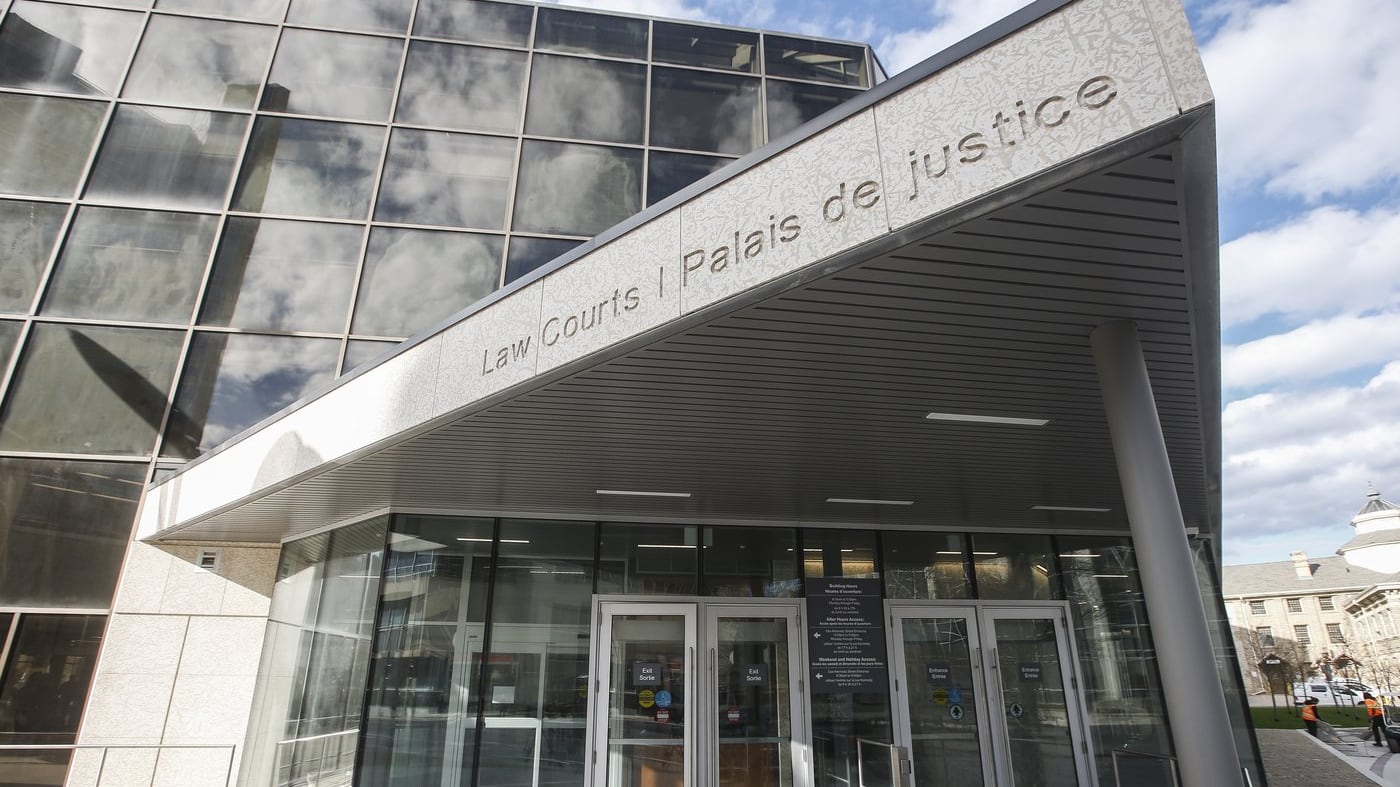
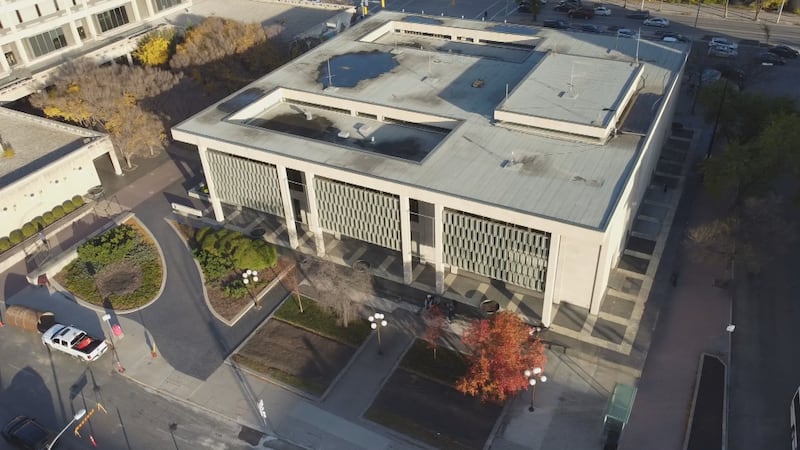
First Nations seeking to have annuity payments promised under Treaty 1 adjusted for inflation were in a Winnipeg courtroom Monday as a trial expected to last three weeks got underway. The trial comes over six years after representative plaintiff Zongidaya Nelson, member of the Roseau River First Nation, filed a statement of claim against Canada’s attorney general in the Court of King’s Bench of Manitoba. The filing claims seven First Nations signed Treaty 1 — which covers a vast portion of land in southern Manitoba—in August 1871 to allow the Crown to use and occupy the land. In return, each band member was to be given $3 each year or in items such as blankets or clothing. The statement of claim says the annuity payment was increased to $5 per year in an Order-in-Council dated April 1875 but notes the sum has not been increased since. “The monies or goods were to reflect the current market price of the good at Montreal, and accordingly, the Treaty, expressly or by inference, contains such terms as relating to augmentation or indexation to account for the erosive powers of inflation,” reads the lawsuit filed in July 2019. “The Treaty monies … should be indexed to adjust for losses in purchasing power which are associated with persistent inflation.” Court heard from Michael Rosenberg, counsel for Nelson, who said the First Nation signatories had “no means of anticipating secular, long-term price inflation.” The court case seeks $11 billion in compensation for beneficiaries of Treaty 1 and several declarations; however, the Crown has been calling for the lawsuit to be dismissed. “Canada is under no duty to adjust, index to inflation or otherwise ‘modernize’ the amounts paid to beneficiaries of the treaty promise,” reads the attorney general of Canada’s statement of defence filed in October 2023. The defence denies that Treaty 1 contains an indexation or augmentation clause and asserts that Canada did not act in “bad faith.” It also notes that Canada has provided programs and services to First Nations in Treaty 1 that “complement and exceed the annuity payment,” though these were not provided in fulfillment of the treaty. Court heard that in addition to the “foundational issue” on whether the terms of Treaty 1 require the Crown to increase the amount of the annuity, other key questions include how any increase should be calculated and how compensation should be distributed. Rosenberg told Associate Chief Justice Shane Perlmutter the treaty refers to descendants and obligations owed to the descendants of the signatories of Treaty 1, but many descendants later lost status under the Indian Act. “This divergence leads to payments restricted with status Indians, a restriction that’s found nowhere in the text of Treaty 1,” Rosenberg said. The trial is expected to include testimony from elders from Sagkeeng First Nation, Sandy Bay First Nation and Roseau River First Nation. Reports and testimony are also anticipated from expert witnesses, including professors from the University of Montana, the University of Saskatchewan and York University. The experts will address the formation of Treaty 1, interpretation of its annuities provision, potential indexed increases, and how many people are entitled to annuities under evolving Indian Act eligibility requirements. The trial is expected to conclude on Feb. 27. None of the claims have been proven in court.