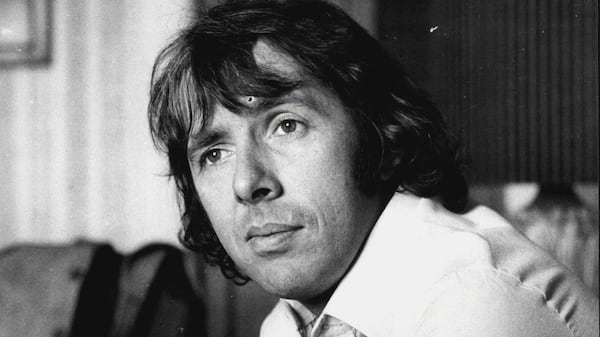
Vancouver fashion icon John Fluevog is opening up about a life‑changing health journey after undergoing a kidney transplant that saved his life. A few years ago, the celebrated shoe designer began noticing something was wrong. “I was feeling poorly,” he said. “I was feeling tired. I needed naps in the afternoon. I was running out of energy.” Medical tests soon revealed Fluevog had kidney disease, a diagnosis that came as a shock and meant he would need a transplant. “It’s like – It’s hard – it’s hard to actually take in,” Fluevog said. His experience reflects a national health issue. “There are over 50,000 Canadians living with kidney failure,” said Megan Owen‑Evans, a board director with the Kidney Foundation. While the need is significant, Owen‑Evans says the demand for living donors remains urgent. “There’s over 4,000 people awaiting solid organ transplants in Canada. Over 70 per cent of those are waiting for kidneys,” said Owen-Evans. “We have only about 600 living donors every year in the entire country,” added Dr. John Gill, a nephrologist and Fluevog’s personal doctor. “This is the best of humanity, people literally giving of themselves to help somebody else.” Fluevog, however, was one of the fortunate ones. An old friend, Patty Carmichael, stepped forward and discovered she was a match. “Something stirred inside me, and I felt like I had to do this,” Carmichael said. One year after surgery, both Carmichael and Fluevog are doing well. “It’s just been an amazing experience for me, and I get up every morning. I’m just thankful. Thankful for Patty,” Fluevog told CTV News. For Carmichael, the experience has been just as meaningful. “Unbelievably rewarding,” she said. Her recovery was swift. Just three months after donating her kidney, Carmichael completed a demanding backcountry hike. “I was able to do a one-week, challenging backcountry hike with no complications or pain,” she said. Gill says stories like these show how safe and impactful living donation can be. “We all have two kidneys, so we can safely donate a single kidney,” said Gill, adding that just one in 10,000 transplants result in death for the donor. Beyond improving and saving lives, Gill says kidney transplants also have lasting benefits for the health-care system. “Over the lifetime of a kidney, each living kidney donor saves the health-care system north of $1 million compared to treatment with dialysis,” said Gill. During his hospital stay, Fluevog found inspiration in an unexpected place. Another doctor, also passionate about fashion, shared a sketch with him of a shoe design. “And I looked at it and that’s something I went, ‘Oh, this is kind of a good idea.’ And she described the straps. One for the ureter, one for the artery, one for the veins, and had the blood red,” Fluevog said. That drawing went on to inspire a limited‑edition shoe, created in honour of Carmichael and her husband Alan. A portion of the proceeds will go to the Kidney Foundation of Canada, specifically the Living Donor Circle of Excellence Program. “It covers any employees who choose to be living donors for the time they may spend away for surgery and recovery,” said Owens-Evans. “So, it’s really impactful.” Fluevog hopes the project encourages others to consider donation. “If I can get one person to donate, I find it a huge success,” he said.