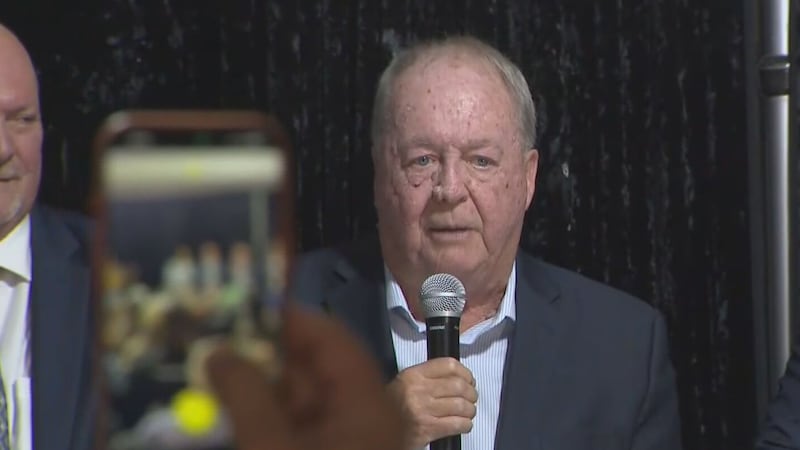
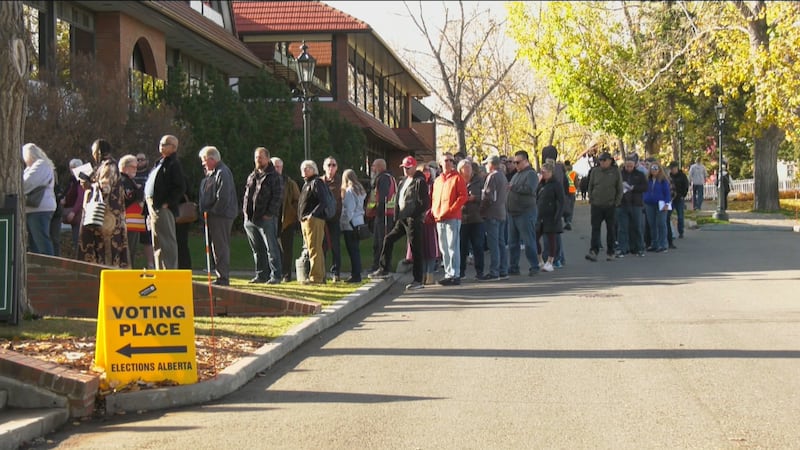
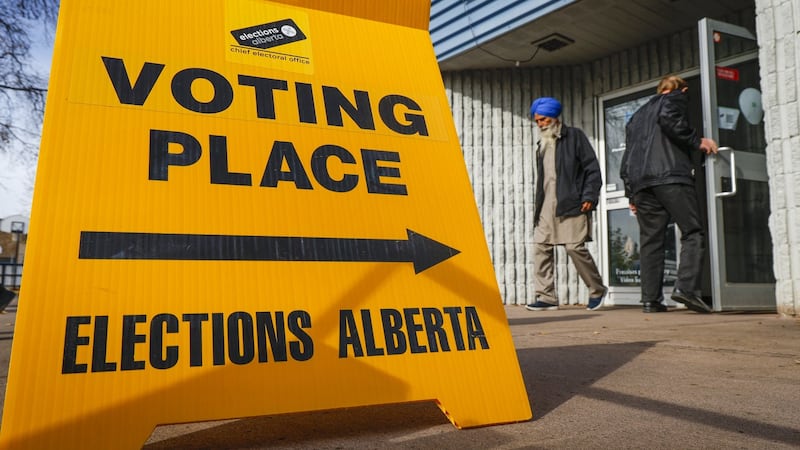
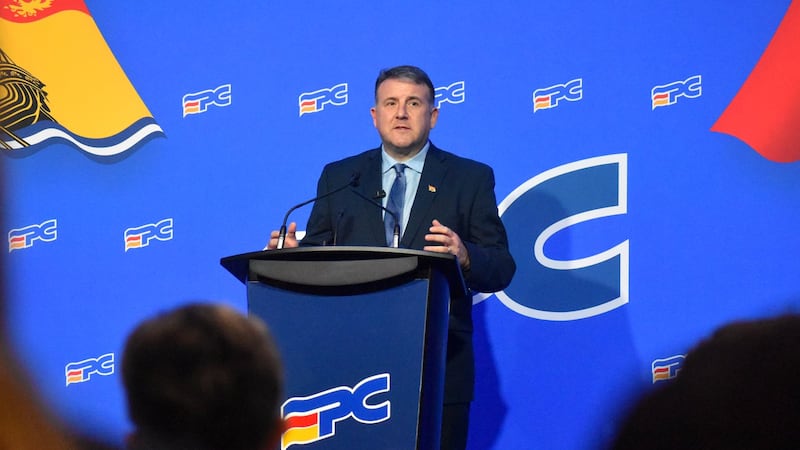
Voters have elected Pete Fry as the next mayor of Vancouver, sending incumbent Ken Sim packing after a single term. “We’re not going to let you down,” Fry told a crowd of cheering supporters Saturday night. “You know, we love this city a lot—and we’re here to work for the city, to fight for the city.” The Green Party of Vancouver mayoral challenger, who has served on council since 2018, was one of the most vocal critics of Sim and his A Better City party majority over the last four years. Days before the election, Sim declined a challenge from Fry to debate each other one-on-one. In his concession speech, the outgoing mayor called his time at city hall the highlight of his life. “When I’m on my deathbed, I’ll look back at this,” Sim said. “It’s probably the most meaningful thing I’ve been involved with.” Fry’s victory comes after competing progressive parties agreed to rally around his candidacy to avoid splitting the left-wing vote—Stephanie Allen of COPE and William Azaroff of OneCity both withdrew from the mayoral race over the summer. So far, the makeup of the council Fry will lead remains unclear, but it appears the son of longtime local Liberal MP Hedy Fry will lead a collaborative council largely comprised of representatives from those three progressive parties. “I’m so proud, I’m so proud of him,” the mayor-elect’s mother told CTV News from Green campaign headquarters. “He’s principled, he’s hardworking, he loves this city and he will do the work he needs to do.” ABC, which dominated city council, the school board and the park board after the 2022 election, only had one candidate poised to be elected late Saturday. COPE’s Sean Orr had the most votes of any non-mayoral candidate, despite being a frequent target of Sim’s political attacks during the campaign. One ABC ad focused on Fry sought to discredit the Green candidate by tying him to Orr. A defamation lawsuit Orr launched against the former mayor—over false allegations made to Chinese-language media that the COPE councillor had distributed drugs on Christmas Day—remains ongoing. Vancouver Special 2.0 and other proposals Some progressive voters were unhappy with Fry’s record on housing after he voted in step with ABC on most major motions related to that file—including on the vote that cancelled the controversial Villages Plan. That proposal sought to increase housing density, including by rezoning swaths of the city to allow for low-rise and mid-rise apartments of up to eight storeys, and drew significant neighbourhood opposition. Only OneCity’s Lucy Maloney voted to keep the plan. In their election platform, Fry and his Green Party promised to create an affordable housing czar focused on “partnerships and policies to deliver non-market and supportive housing.” The mayor-elect also vowed to increase the stock of affordable homes, co-ops and social housing through fast-tracked zoning and permitting processes. In addition, the platform proposed emphasizing pre-approved housing designs for both rental buildings and individual homes to reduce costs and approval times. The pitch includes modular or prefab designs the party dubbed the “Vancouver Special 2.0.” Other notable platform promises Fry has also signaled a desire to expand the city’s bike lanes, including along Broadway during the ongoing construction of the corridor’s subway line—arguing the pending rapid transit will lead to fewer cars, creating more space for cyclists. He also wants to see the Broadway line expanded to the University of British Columbia. Other notable Green Party proposals include pausing the use of artificial intelligence chatbots in Vancouver schools pending a review of their potential cognitive impacts on students, and implementing a moratorium on “micro-suites” that can fit a bathroom and kitchen into spaces as small as 250 square feet. Fry’s platform promises to pursue a “24-hour economy” in Vancouver as well, through expanded live music zoning, allowing around-the-clock “creative land uses,” extended permits and more nighttime transit. The full platform is available on the Green Party of Vancouver website. ABC’s plebiscite questions Sim and his ABC majority reconvened council for a special meeting in August to add two plebiscite questions onto Vancouver’s election ballots, a move the opposition slammed as political theatre. Storming out of that meeting, Fry called the move “electioneering by punching down on folks in health crisis” and a “misguided frustration of the democratic process.” It’s unclear whether a majority of voters answered “yes” to either plebiscite question, as the city did not share results Saturday. The first sought support for the city “strengthening its laws to forbid open-air hard drug use,” something that is already illegal. ABC’s fleshed-out proposal was to update municipal bylaws to allow police to issue $0 tickets to anyone caught doing drugs in public, briefly detain the person and seize their illegal substances without the need to go through a more cumbersome criminal investigation. The second question asked voters if the city should “formally ask the province of B.C.” to add involuntary care beds within Vancouver, suggesting parts of the soon-to-be-vacated St. Paul’s Hospital site downtown as a potential temporary location. Critics noted the sought-after real estate was already sold to a developer years ago for nearly $1 billion to help finance the replacement St. Paul’s Hospital near Main Street and Terminal Avenue. Prior to the plebiscite, Sim had also publicly demanded local involuntary care beds from the province on multiple occasions—and Premier David Eby said his government supports the idea. On Friday, Providence Health Care confirmed the St. Paul’s replacement will include 90 secure mental health beds, along with other mental health and substance use care spots.