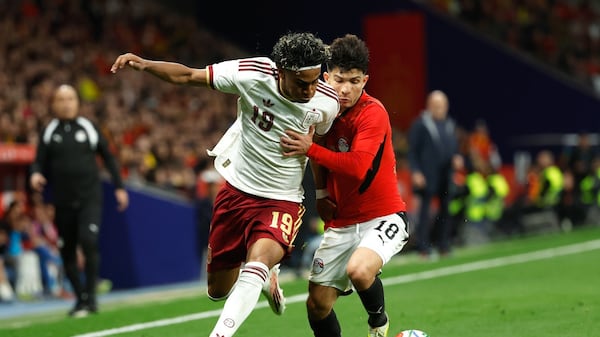
A new report shows more than 500 children and youth across British Columbia attended a World Cup match in Vancouver through a ticket donation program. According to B.C. Pavilion Corporation, commonly known as PavCo, the 520 tickets were distributed to 56 charities, non-profits and Indigenous community organizations through the B.C. Place Community Benefit Program. “As the organization that owns and operates BC Place, one of 16 host city stadiums for the FIFA World Cup 2026 in Canada, Mexico and the United States, PavCo played a key role in helping bring the excitement of this historic tournament to Vancouver while ensuring community members across British Columbia could share in its positive impact and lasting legacy,” the report states. At least seven of the 56 recipient organizations were Indigenous-focused, including Stó:lō Service Agency, Urban Native Youth Association and the First Nations Health Foundation. Other recipients included the Canucks Autism Network Society, Special Olympics British Columbia, Greater Vancouver Food Bank, Burnaby FC and the Pacific Autism Network Society. The report features testimonials from participating organizations and families, many of whom said attending a World Cup match would have otherwise been financially out of reach. “As newcomers to Canada, we have spent the last few years focused on rebuilding our lives, establishing stability, and creating a future for our children,” wrote one recipient linked Encompass Support Services Society. “Experiences like this are usually far beyond what we can afford, which is why this gift meant so much more than simply attending a soccer match.” Vancouver hosted seven sold-out World Cup matches between June 13 and July 7, drawing 367,479 fans to BC Place, according to provincial figures. The 520 tickets distributed through the BC Place Community Benefit Program, in partnership with the City of Vancouver and the province, represent roughly 0.14 per cent of total attendance. Scale of the program vs. size of tournament The report also does not outline how the tickets were distributed, but the total works out to fewer than 10 tickets per organization on average. In response to questions from CTV News, PavCo said the tickets were purchased by the City of Vancouver and allocated specifically to the Community Benefit Program. “Charities, non-profit organization and Indigenous community organizations across B.C. that support children and youth facing financial, health, displacement and other barriers were invited to apply for the ticket donations through a public application process,” said Stacey Ganaden, PavCo’s senior communications and community engagement manager. She says strong demand led to the program being expanded, though she did not provide information about the total number of applications received. When announcing the province’s role in the program on May 14, B.C.’s Ministry of Tourism, Arts, Culture and Sport said “as many as 350 tickets” would be provided to youth facing barriers for two Vancouver matches. The following week, New York City Mayor Zohran Mamdani raised the bar for host cities by announcing 1,000 World Cup tickets would be sold to locals for $50.