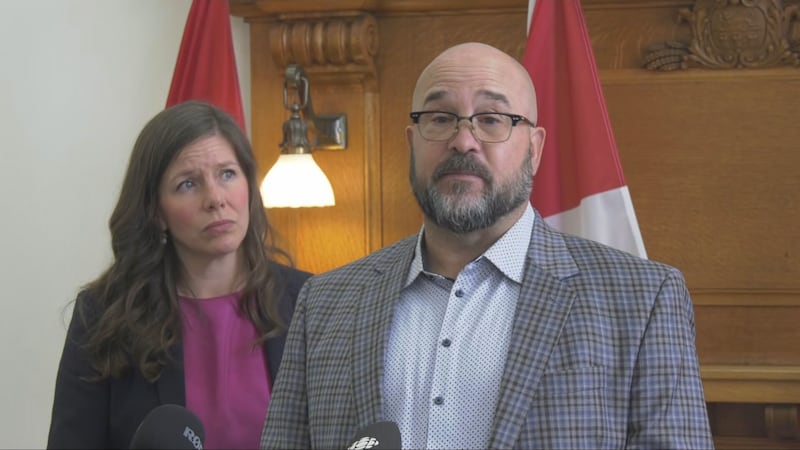
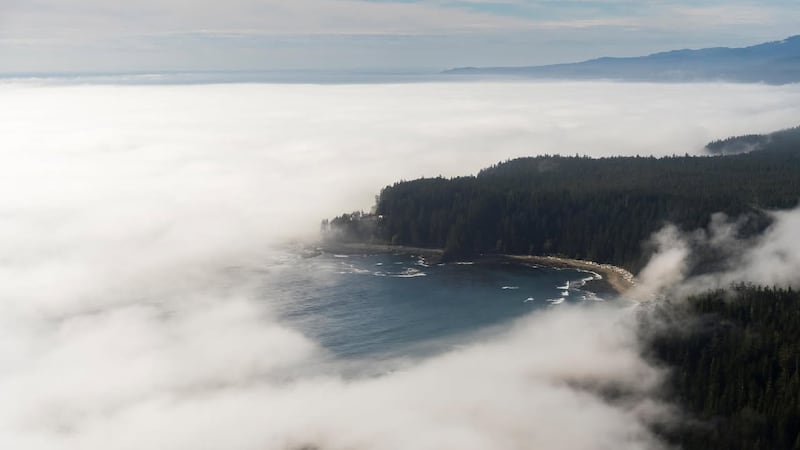
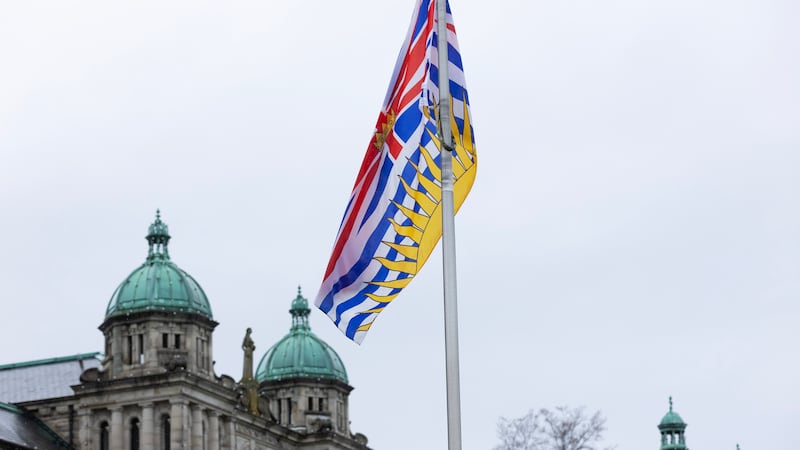
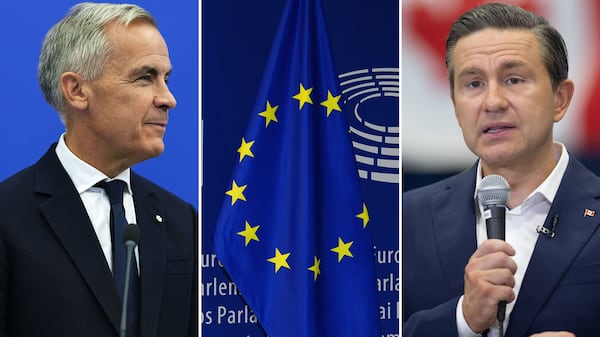
The push for a new pipeline to B.C.’s coast is progressing. Sources tell CTV News that Prime Minister Mark Carney is meeting Alberta Premier Danielle Smith in Edmonton Friday to update their memorandum of understanding on a bitumen pipeline—specifically an agreement to lower the industrial carbon tax targets. The deal would bring the targets from a planned $170 per tonne in 2030 to $130 a tonne by 2040. B.C. Premier Davd Eby wasn’t happy to hear that news. “The anxiety I have is a special set of policies for Alberta—that put B.C. at a potential competitive disadvantage,” Eby said Wednesday. Eby, who has consistently opposed a pipeline, said he’s most frustrated by the idea of Alberta getting its own discount on carbon pricing. B.C. Energy Minister Adrian Dix flagged similar concern for the alternative option that Alberta had negotiated a carbon price for all provinces with the federal government. “If these are national policy changes they should involve the whole country,” said Dix. “That’s what makes Canada strong.” Carney hasn’t confirmed the deal, but last week Smith met with him in Ottawa and emerged with optimism. “I felt like we sorted through a lot today. We had a meeting of the minds and I’m hoping that we get to announce an agreement very soon,” she told CTV News at the time. An agreement on lower carbon pricing is seen as a key piece of the puzzle for Alberta, but there remain several other major hurdles—notably a lack of a private proponent or route. “We’re years away from shovels hitting the ground on a pipeline, if they ever in fact do,” noted Hamish Telford, political scientist with the University of the Fraser Valley. And there’s major pushback from B.C. First Nations to lifting the existing oil tanker ban, which would be a requirement should the route go to the north coast. “I can see court cases, I can see direct action” said Robert Phillips of the First Nations Summit. “So it’s just mind boggling that they would even consider doing that.”