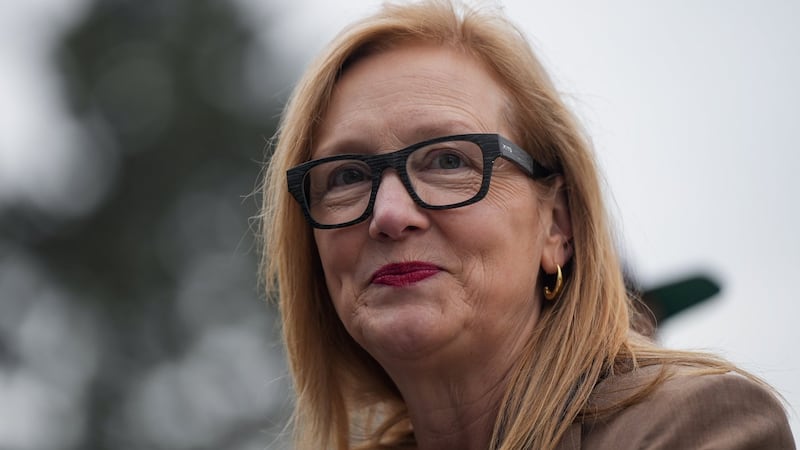
The Spring session of the Métis Nation Legislative Assembly (MNLA) wrapped up on Sunday afternoon. The assembly spent two days considering and deciding on issues pertaining to the nation’s future and goals “It’s always important with any government, you have to have representation from all over the province. For us, we represent 60,000 people from all walks of life,” said Michelle LeClair, vice president of the Métis Nation Saskatchewan. Two assemblies are hosted each year, in the fall and springtime. The bi-annual gathering is an opportunity for the local presidents from across the twelve regions to meet with one another as a legislative assembly. Glenn McCallum, president of Métis Nation Saskatchewan, said it was important for people to get to know their government. “Sometimes governments are limited in regards to what they can do, but at the same time [this] gives us an idea in regards to where we can work a little harder,” McCallum said. The MNLA covered a number of topics over the weekend. 18 new local presidents were sworn in, and a commitment was made to the Annual General Assembly. Additionally, several amendments to the MNLA Act were approved. The president shared that this assembly proved to be a productive one. McCallum called the excitement surrounding the Métis Nation and government “really apparent.” “For that same time, truly coming around the corner to be able to have ... more capacity to be able to have that great fiscal relationship that we need to have,” McCallum added. The MNLA also saw the affirmation of Métis harvesting rights, and a prioritization of child and family services legislation. “Every resolution that comes to the floor is important because it touches on how we govern ourselves, and that’s really important moving into a treaty process,” LeClair said. While this event is a formal meeting of government, LeClair also emphasized it was an opportunity to strengthen the Métis community within the province." “Métis people are known for visiting. One of the ways that we connect with community is through people’s kitchen tables and so it’s important for us to sit down and visit and find out what’s happening in their community, LeClair said. She added this work entails finding out what people’s needs are, what barriers they’re facing but also involves having a good time during the visits. Following the conclusion of the Spring MNLA, leaders are tasked with a number of items which will either be revisited or updated during the Fall session. “It’s up to us now, as legislators and legislative assembly get the mandate from our people to be able to pursue more and do more in regards to the areas of concern they may have,” McCallum said.