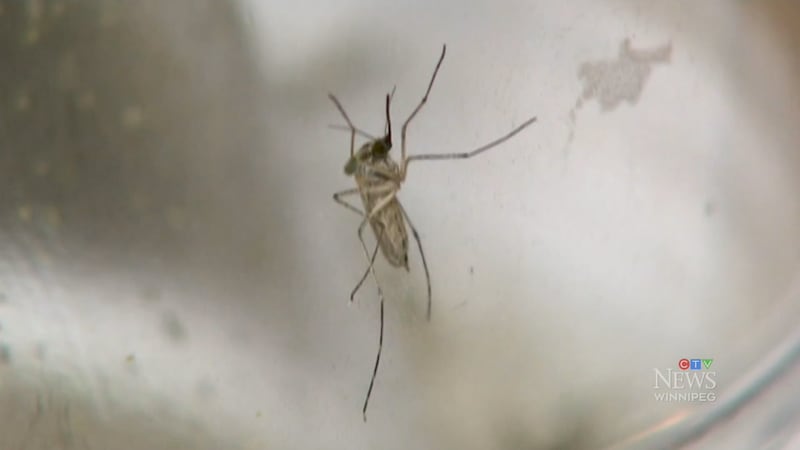
Ottawa Public Health (OPH) is recommending residents be vigilant and protect themselves against mosquitoes after confirming a case of West Nile virus in a human in the city and a case of eastern equine encephalitis virus (EEEV) in a horse. OPH recently confirmed the presence of West Nile virus in local mosquitoes earlier this month. No other details about the human case have been released. This is the first human case of West Nile virus confirmed in Ottawa this year. Both West Nile virus and EEEV can spread to humans through mosquito bites. OPH says anyone who lives, works, or participates in outdoor activities where mosquitoes are present can be at risk. “Protecting yourself from mosquito bites is the best way to prevent WNV and EEEV,” OPH said in a news release on Wednesday. Methods to protect yourself against mosquito bites include: OPH says there have been 11 human cases of West Nile virus in Ontario so far this year. In 2024, there were 13 human cases of West Nile virus in Ottawa and 87 in Ontario. “West Nile virus is an infection spread primarily by the northern house mosquito (Culex pipiens) that, in a small number of cases, can cause serious illness. Most people will not develop any symptoms if infected, but about 20 per cent may experience flu-like symptoms,” OPH said. Symptoms of West Nile virus include fever, headache, muscle aches, and rash. “The risk of more serious illness - occurring in less than one per cent of infections, in which WNV impacts the central nervous system - increases with age. Older adults, the elderly and people with weakened immune systems are at higher risk,” OPH said. EEEV typically spreads between wild birds and mosquitoes but can affect horses and, rarely, humans, by being bitten by an infected mosquito. The disease does not transmit from horses to humans or from human to human, OPH says. “Although rare, the disease is of concern because, like WNV, it can cause a serious neurological disease and even death,” OPH said. One Ottawa resident who died last year of a viral encephalitis tested positive for an EEEV infection. The health unit says mosquitoes that carry West Nile virus are most commonly found around homes in urbanized areas, but the mosquitoes that carry EEEV are usually found close to swampy hardwood forests. Eliminating standing water around your home is one of the ways you can help prevent mosquitoes from breeding. Some tips include: