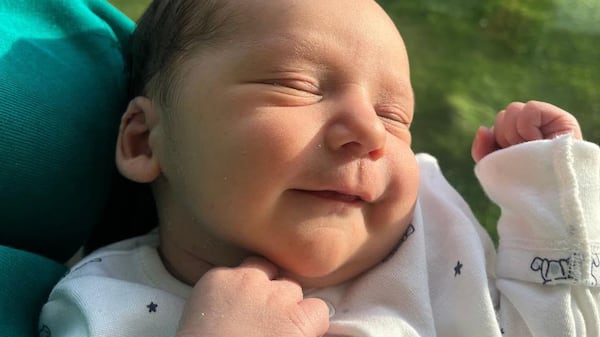
At the Queensway Carleton Hospital, a quiet but impactful pilot project is helping solve a growing problem for new parents – finding a primary care provider for their newborn. For years, frontline staff noticed a troubling pattern. Parents leaving the hospital with their babies often didn’t know where to turn for follow-up care. “Over the last couple of years, I have heard many parents say, ‘We don’t know what we’re going to do. We don’t have a physician for our baby,’” said Tracey Zoobkoff, an obstetrical nurse with 25 years of experience on the hospital’s postpartum unit. That concern is what ultimately led Zoobkoff to take on a newly created role as part of the hospital’s pilot program, one designed specifically to connect newborns without a doctor to primary care providers. The Newborn Primary Care Attachment Initiative helps babies born at QCH or Almonte General Hospital who do not have a family doctor and work to ensure they have hands-on support during the critical first 24 months of life. This program is developed in partnership with Almonte General Hospital and with funding from the Ottawa West Four Rivers Ontario Health Team. The need is significant. Of the roughly 2,500 babies born at the hospital each year, about 800 leave without a family doctor or nurse practitioner lined up. Without consistent primary care, families often turn to walk-in clinics or emergency rooms for routine issues, putting added strain on an already stretched healthcare system. For Zoobkoff, the implications go beyond system pressure. “There’s so many milestones that need to be monitored,” she said. “Growth, development, immunizations—these babies need consistent follow-up.” How the program works The process begins shortly after birth. Within 24 hours, parents are asked who will provide care for their baby after discharge. If they don’t have a provider, a referral is created with parental consent, allowing Zoobkoff to step in. “I try to find someone who’s geographically close and a good fit for their needs,” she explained. “If the baby needs specialized care, I look for a pediatrician. Otherwise, I connect them with a family physician or nurse practitioner.” Building that network hasn’t been easy. Starting from scratch in December, Zoobkoff has reached out to clinics across the region. “I just started cold-calling and asking for help,” she said. While not every clinic can take on new patients, many have stepped up. So far, she has built connections with about 35 physician offices. The pilot program originally aimed to secure temporary attachments to ensure babies have care for their first two years. But in many cases, providers have gone further than expected. Out of the infants she has helped so far, 135 have already been matched with long-term providers. Only a small number remain temporarily rostered while permanent options are still being sought. In just three months, the program has connected approximately 235 newborns with primary care — babies who might otherwise have fallen through the cracks. New parents Ayisha Cretney-Reney and partner Glenn Burley did not have a family doctor for their daughter Charlotte. Charlotte was born in January at QCH and was able to get connected to primary care through the program. “We knew that there was a possibility that we would be able to have some support in finding the family doctor for Charlotte,” Cretney-Reney said. Burley adds, “It was a massive relief and once the program was kind of explained, it really clicked. It made so much sense to have something like this in place because the children are coming through here.” The program is only guaranteed to run until June because funding has not yet been secured to keep it going longer. CTV News has reached out to the Ministry of Health. “I can’t believe it’s only a pilot and I can’t believe that it could possibly be at risk. That’s crazy,” Burley said. Cretney-Reney says Charlotte has had several appointments and vaccinations. “We can’t speak highly enough about (the pilot project),” she said. “Now, we have a family doctor. He’s great. He’s been super friendly and helpful.” The Ontario Medical Association (OMA) says that early access to consistent care not only supports healthier outcomes for children but also reduces unnecessary emergency visits and system strain over time. “2.5 million people in Ontario do not have access to a family doctor,” said OMA President Dr. Zainab Abdurrahman. “Family medicine is the backbone within the health care system.” She says when patients don’t have access to primary care, “emergency departments become a lot more strained, and chronic diseases go untreated.” “It’s important because getting newborns attached to a family doctor means that they’re going to have a family doctor who knows them right from birth. But also, there’s a lot of things that happen in the first few months, in the first few years of life, in terms of seeing your family doctor, that means things like your vaccinations, checking for developmental issues.”