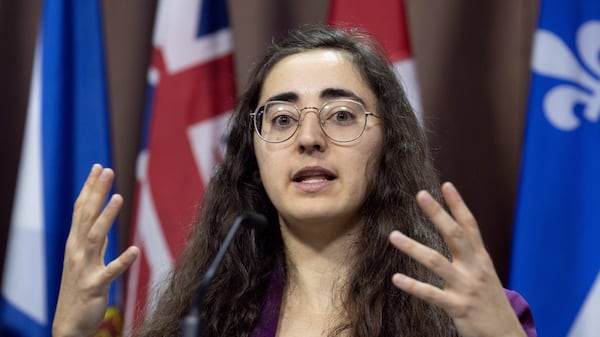
With the municipal election a month away, Windsor-Essex communities are trying to engage an electorate that has often left decisions about local leadership to a minority of eligible voters. In Tecumseh, fewer than three in 10 eligible electors voted in 2022 — the lowest turnout among all Windsor-Essex municipalities. The town also had the second-lowest turnout in 2018, at about 37 per cent, just over two percentage points above Windsor. Among people interviewed in Tecumseh on Friday, feelings about voting ranged from a firm commitment to participate to frustration over whether casting a ballot changes anything. “Because it’s a freedom that we have,” Linda Billweis said when asked why she votes. Sue Legault, however, said she does not plan to vote, expressing doubt that an election will bring meaningful change. “Everything just stays the same. History just repeats,” Legault said. For University of Windsor political science professor Lydia Miljan, low municipal turnout reflects several challenges, including the amount of work voters must do to understand their choices. “Municipal elections tend to have lower voter turnout, in part because they’re more complicated for the voters to assess,” Miljan said. Voters may be choosing a mayor, councillors, and school board trustees, often without the familiar party affiliations that help them navigate provincial and federal elections. “So, you don’t have the shortcuts that you do at the provincial or federal level in terms of party identification,” she said. Without those labels, Miljan said, figuring out where individual candidates stand requires more effort. “It’s a lot more work.” Moving within a municipality can create another hurdle. Residents who change wards may be less familiar with their new candidates and feel less connected to the area they are voting in, she said. In LaSalle, the town is organizing a candidate meet-and-greet to help residents learn more about the people seeking their votes. Jennifer Astrologo, LaSalle’s director of council services and clerk, said the initiative responds to questions the town has been hearing from residents. “We’ve been hearing a lot of feedback from our residents that they don’t know their candidates. They don’t know what they stand for. They’re not sure who to vote for,” Astrologo said. “So, we’re really trying this initiative to bring voters out so that they can meet with their candidates face-to-face and get to know them and what they stand for.” The event takes place Monday from 6 p.m. to 8 p.m. at the Event Centre at 970 Front Road. Residents can speak directly with municipal and school board trustee candidates. It is an informal meet-and-greet, without a debate or moderated questions, and no registration is required. In 2022, LaSalle’s turnout was about 30 per cent. Astrologo said the absence of contested mayoral, and deputy mayoral races likely contributed to that result. She also pointed to possible voter fatigue following federal and provincial elections. With both positions contested this time, she hopes more residents will participate. Miljan said the advantage enjoyed by incumbents — who she said retain their seats “about 90 per cent” of the time — can contribute to the feeling that an election’s outcome is already decided. One option worth considering, she suggested, is limiting how many terms mayors and councillors can serve. “Maybe mayors and councillors should also be restricted to two to three terms,” she said. Miljan said that could bring new people into politics and give voters a stronger sense that their participation matters. “People feel that their votes will matter because you don’t have that same strength of incumbency,” she said. The municipal election is Oct. 26. Advance voting dates and methods vary by municipality.