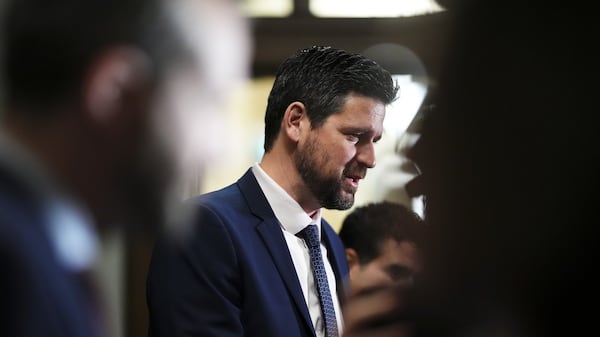
An Ottawa Liberal MP is calling on the federal government to exercise “meaningful flexibility” when implementing its return-to-office policy for public servants this summer. A new directive issued last week announced that, as of May 4, executives will be required to work onsite five days per week. All other federal employees in the core public service will need to be in the office a minimum of four days per week, as of July 6. Kanata MP Jenna Sudds told a House of Commons committee the new policy is “creating uncertainty” for the thousands of public servants who live in her riding in Ottawa’s west end. “Having worked in the public service, I understand the dedication, the commitment that it takes to serve Canadians in that capacity, whether they’re in the office, remote, virtual, hybrid,” Sudds said on Thursday. “So, going forward, I will continue to work with you, with our government, with my national capital region colleagues, calling for meaningful flexibility as this policy is being implemented.” Sudds made the comments during an appearance by Treasury Board President Shafqat Ali before the House Government Operations and Estimates Committee on Thursday. Sudds urged Ali and the government to seek the input of federal public servants and unions on the implementation, “to help ensure that employees have the tools and the support that they need in their workplaces.” “I’ll continue to be advocating for that flexibility as that policy is implemented,” Sudds said. Ali told the committee the federal government is “taking a transformative approach to public service to deliver on the priorities that Canadians want.” “At this critical time, I think working together on site is necessary to build strong teams and effective collaborations. Of course, we’ll continue to engage with the unions on how best to implement it,” Ali said. Sudds is the second Ottawa-area MP to question her own government’s shift in the hybrid work model for the thousands of federal public servants. Carleton MP Bruce Fanjoy called on the government to reconsider the new return-to-office (RTO) mandate, saying it will “cost the government and citizens more.” “I believe Canada is better served by a hybrid model that balances a mix of in-office and remote work,” Fanjoy said in a statement posted to social media on Monday. “The right balance is flexible and depends on circumstances. Done well, a hybrid model reduces the cost of government and benefits workers and all Canadians.” Fanjoy says there is “little to no evidence that a one-size-fits-all RTO policy will improve productivity or service to Canadians.” “The RTO policy makes it harder for public servants to balance work with other responsibilities,” Fanjoy said. North Grenville Mayor Nancy Peckford also criticized the government’s new office mandate, saying federal public servants living in her community will face a “daily grind of up to three hours” to travel to Ottawa for work. “To now insist on a minimum of four days (five for many) is an unequivocal signal that only those in Ottawa’s relatively small orbit work (and other major urban centres) should work for the public service, let alone attempt to excel,” Peckford said in a Facebook post. “That is unless you are willing to make a serious sacrifice of your time and well-being, and the climate. Because putting federal public servants back on the road five days a week will only worsen congestion and gridlock across the country.” The Public Service Alliance of Canada filed an unfair labour practice complaint with the Federal Public Service Labour Relations and Employment Board in response to the government’s new in-office mandate. The current hybrid rules have been in place since September 2024, requiring public servants in the core public administration to be in the office a minimum of three days per week, while executives are required to be onsite a minimum of four days per week.