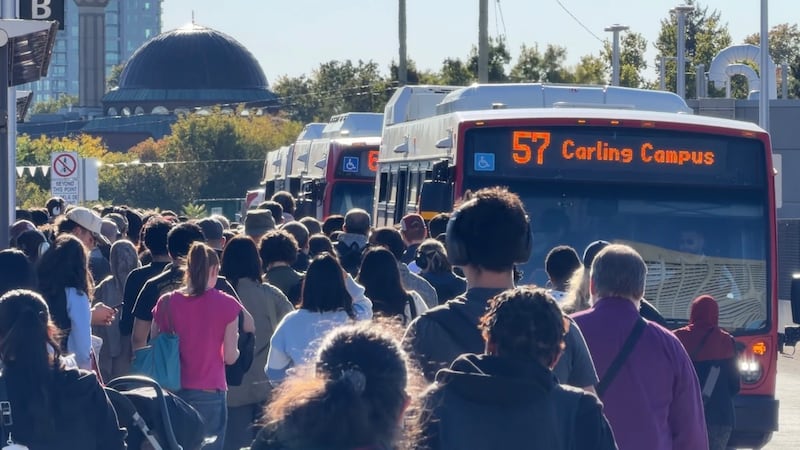
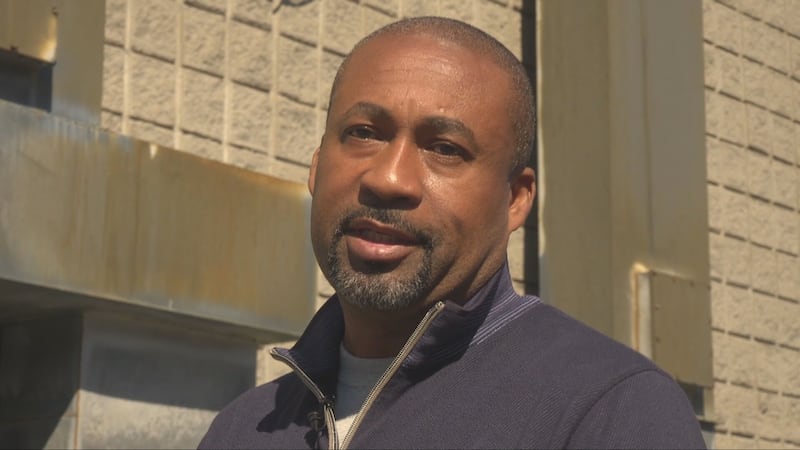
If you’ve noticed more uniformed officers walking through OC Transpo stations, trains and buses, you’re not imagining it. The transit agency’s Community Visibility Team (CVT) is out across the system, working to make special constables a more visible presence for passengers. The initiative is part of OC Transpo’s Customer First Action Plan. Since launching in May, the team has conducted more than 700 foot patrols. “We’ve heard complaints from the people of the city that we’re not present, we’re not visible, we’re not on the trains, on the buses,” said Sgt. Eric Brown. “I think the CVT team was put in place so that we’re available to people and present, right, and visible.” The team patrols on foot, by bike and aboard OC Transpo buses and trains. At stations, officers check public areas, including washrooms. While on trains, they walk through the cars to see if anyone needs assistance. Brown leads the team and says the job can change quickly depending on what they encounter. “Typically, when we board a train, we’ll walk it and make sure that there’s no one sleeping, anyone in need of assistance,” Brown said. “And then, we’ll offer assistance if we do come across somebody.” The team also helps assist riders who need help figuring out where to do, or what train to take. The officers can also respond to more serious situations. Special constables have police powers, but their jurisdiction is specific to OC Transpo property, including trains, stations and shelters. “The easy way to explain it is that we essentially have the same powers as police,” Const. Sarah Renaud said. “Just the difference is that it’s only in relation to transit properties.” That can include responding to suspected drug use, investigating incidents and checking potential safety concerns. During one patrol, Brown stopped to investigate what appeared to be an abandoned backpack. When an incident requires a broader police response or investigation, the Special Constable Unit works with the Ottawa Police Service. The special constables are also trained as medical first responders and carry naloxone to respond to opioid overdoses. Brown says the goal of the visibility team isn’t simply enforcement. It’s also about giving passengers someone they can approach. “We want people to approach us. We want to listen to concerns. We want to know what people are thinking,” he said. “We want the customer experience to be better.” As the team becomes a more familiar sight across the transit system, Brown says the message to passengers is simple: “We’re hoping that you’ll come and say hi and let us know if you’re experiencing any issues.”