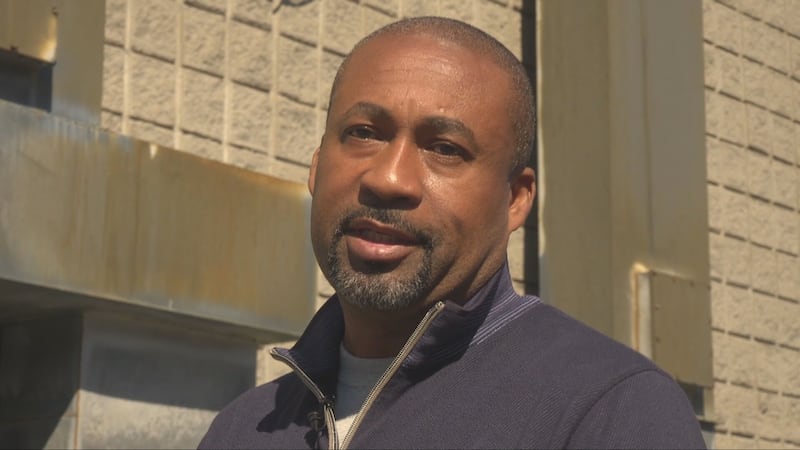
Ottawa marked an organic waste milestone this year. It has been more than 15 years since the green bin program was introduced. The program was introduced in January 2010, as an effort to divert tons of residential organic waste from going into the city’s landfill. Gord Crumpler says its “hard to believe,” it has been over 15 years with the green bin. “We’ve been in favor of recycling from the from the beginning, and we’ve seen the benefits of it, we can we see the benefits of it. We agree and support it,” says Crumpler. Rachael Jones is with the city of Ottawa Solid Waste long-term planning and says, “the real purpose of the green bin is to keep organics out of the landfill, primarily because when they are sent to the landfill, it breaks down and produces methane. And methane is a very strong greenhouse gas. So, by keeping organics out of the landfill, we’re really helping with our greenhouse gas emissions reductions.” Jones says it also helps reduce the growing pressure on the Trail Road landfill that is expected to be full by 2036. Right now, things like food scraps, soiled paper towels, dog waste and yard waste can be put in the green bin. Resident Rus Fox says he is amazed at how the green bin program has expanded to allow for more items to be included. “Back in the day, everything went out was garbage, right?” Jones says residents might be surprised to learn many things that can be included in the bin. “Things like cotton balls and dryer lint, barbecue ash, paper towel food, soiled pizza boxes. There’s a long list of things that can go into the program.” The organic waste is sent to the Convertus facility on Hawthorne Road in Ottawa’s south end. Since the program was introduced in 2010, Jones says the city has seen an increase in tonnages. According to city of Ottawa data, 87,970 tonnes of curbside and multi-residential organic waste were collected in 2024. In 2012, the earliest data provided by the city, 55,264 tonnes were collected curbside. The biggest boost to the green bin came in 2019 when the program made a significant change to allow plastic bags and dog waste to be included in the bin. Jones says, “We actually saw an 8 per cent increase in participation from when that policy was first introduced to a year later. So, it certainly helped people to participate.” The city says both in 2020 and 2021, there were increases in curbside and multi-residential organics volume. The city says it anecdotally corresponds with COVID-19 when spent significantly more time at home, along with increased cooking and gardening, driving higher organics volumes during these years, even as later volumes stabilized despite population growth and expanded participation from multi-residential properties. In 2024, the green bin was introduced in multi-residential buildings such as condo towers. The City of Ottawa says since May 2024, a total of 372 properties have been onboarded, bringing the program to 1,625 multi-residential properties (92,000 individual units) out of the 2,350 properties the City services. Jones says there is still more to be done to get more people on board with the program. She says next year there will be a new green bin campaign and results of a recent curbside study will be released that gauges how many people are using the bin. Residents like Jasmine Lafriniere hope the program can grow and says, “I think it’s a good idea if you’re using it effectively and using it appropriately.”