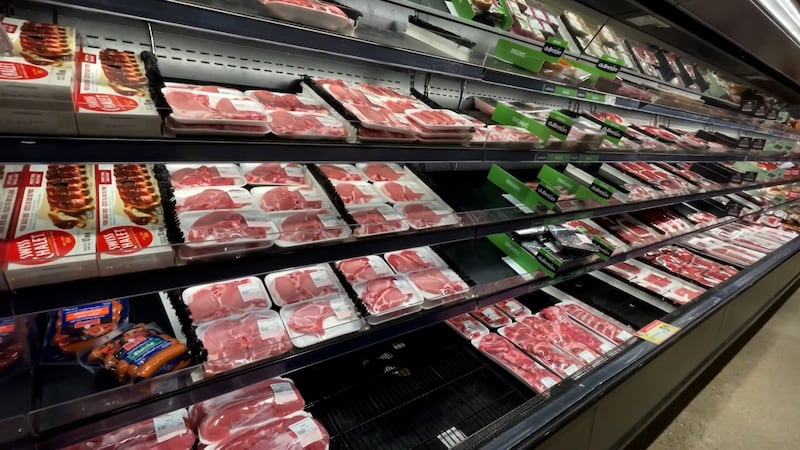
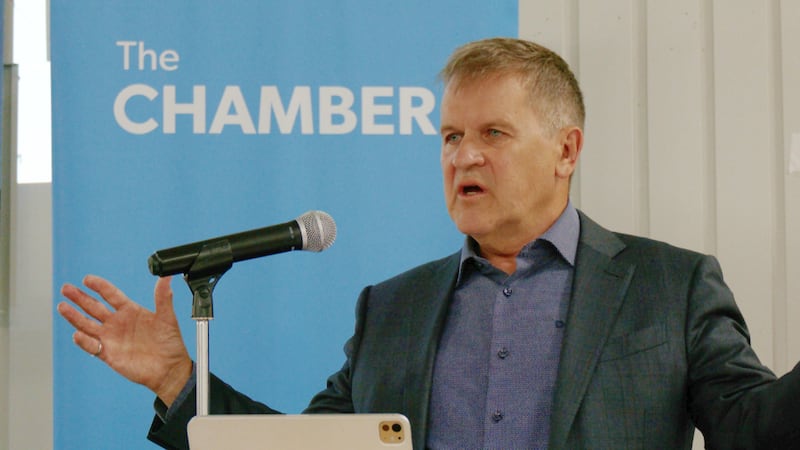
From grain elevators to dairy barns, rising fuel costs are squeezing every link in Eastern Ontario’s agricultural chain and operators say the uncertainty tied to the war in Iran is making it even harder to plan ahead. At Rutters Elevators Inc. in Chesterville, the work is constant: buying grain, drying it, storing it, and shipping it out. But behind the scenes, volatility in energy markets is creating new pressure. “We’re into another struggle — the unknown, the unforeseen stuff in the market,” says President Michael Aube. Farmers say that most truckers hauling grain and farm inputs have begun adding diesel surcharges as fuel prices climb, a spike widely linked to geopolitical tensions stemming from the Iran conflict. Those added costs are now showing up on invoices across the sector. “It’s an indicator of what is going on in the economy today,” Aube said. Rail isn’t offering much relief. Canadian National Railway applies fuel surcharges that fluctuate with oil prices — typically updated on a monthly basis — meaning costs can jump quickly from one billing cycle to the next. “Like all transportation companies, CN is affected by fluctuations in fuel prices. To account for this variability, we apply a fuel surcharge to freight shipments. This surcharge is adjusted monthly based on market fuel prices and is published on CN’s website. It is a standard industry practice that has been in place for a long time and helps ensure rates remain fair and reflective of current operating costs,” CN Rail told CTV News Ottawa. For businesses like grain elevators, changing surcharges create a moving target. “The biggest hurdle is not knowing our actual fuel surcharges,” Aube explained. “Everything from tractors to parts to inputs — chemicals, seed — it’s all inflationary, and it just continues on and on.” Aube says it is another hit for the industry. “Getting out of a drought like we did in 2025. It’s painful,” he says. “It hopefully won’t drag on for longer than two seasons. So, it’s not a major reset in the agricultural world.” Experts say the issue goes beyond fuel alone. Maya Papineau, an economics professor at Carleton University, points to a broader supply shock tied to the region. “It’s not just a fossil fuel energy price shock that we’re witnessing — it’s a fertilizer shock,” she said. “About one-third of the world’s fertilizer passes through the Strait of Hormuz.” That chokepoint has become a focal point of concern as tensions in the Middle East threaten global supply routes. Many farmers locked in fertilizer contracts earlier this year, insulating them from the worst of the price spikes for now. But attention is already turning to next season, where costs could climb even higher. Ottawa dairy farmer Peter Ruiter says timing purchases has become a gamble. “Now I’m looking like a really smart guy because fertilizer has almost doubled in price,” he said. But he adds there’s no clear playbook. “Dealers don’t even know how to price it. They don’t want to overcommit to buying expensive fertilizer if they don’t need it.” Ruiter recently made a bulk purchase of sawdust bedding after being warned that new fuel surcharges were imminent. “I usually don’t get this much, but they told me a fuel surcharge was coming next month,” he said. “So, I took it this month — we brought it in March.” Even with a ceasefire in place, experts warn the instability in energy markets won’t disappear overnight. “However you cut it, this means customers will be paying higher prices,” Papineau said. “It’s going to be reflected throughout the supply chain — and at the end of that chain is consumers.” She says, “Uncertainty negatively affects oil prices and fossil fuel markets. But more widely speaking, I think what’s something that we should all keep in mind that we should be concerned about is to what extent will this uncertainty affect the macro economy and have knock on effects to other sectors that will affect all Canadians.” For now, farmers and operators across Eastern Ontario are left navigating a familiar but intensifying challenge: rising costs, shrinking margins, and no clear sense of what comes next.