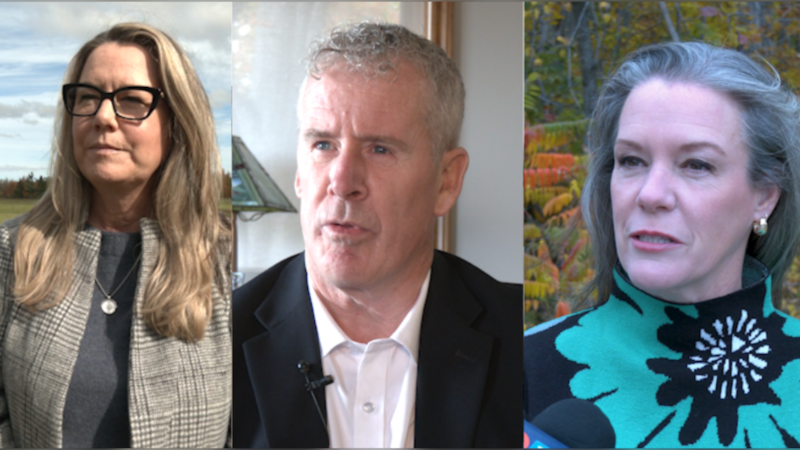
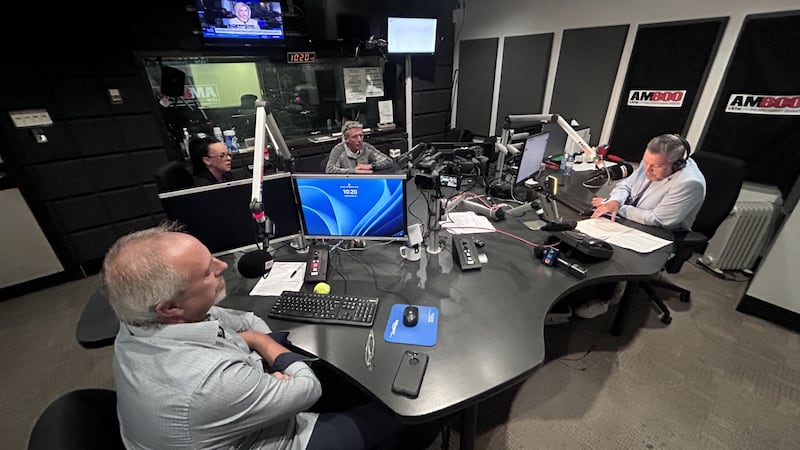
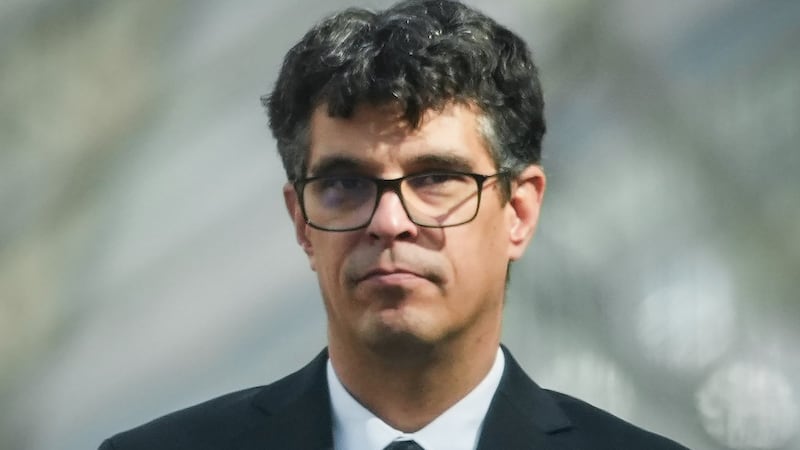
The federal government will need to cut the size of the federal public service to implement its campaign promises and “respect its fiscal bottom line,” according to the parliamentary budget officer. Prime Minister Mark Carney and the Liberal government promised $130 billion in new measures during the election campaign, including cutting the lowest marginal tax rate from 15 per cent to 14 per cent this year, increasing spending on national defence and committed to balancing the government’s operating budget. The Liberals tabled a $486.9 billion spending plan last week but has indicated it will not present a federal budget until the fall. “The government made a promise to balance its operating budget, yet to be defined granted, but it has also laid out its fiscal plan in its platform during the election campaign. What we see here doesn’t feel like it’s perfectly aligned,” Yves Giroux told CTV News Channel’s Power Play with guest host Mike Le Couteur, about the government’s spending estimates. “What we see here is spending that continues to increase for operating expenditures in the main estimates that were tabled recently. All that doesn’t seem to be perfectly aligned, so something has got to give up eventually.” During the federal election campaign, the Liberals said the party was committed to “capping, not cutting public service employment.” Giroux said that based on the spending estimates, “operating expenditures are slated to go up.” “The government could exercise restraints, operationally, by demanding that departments slow down on the rhythm and the pace of expenditures, but the documents that for which the government are seeking parliamentary approval allows departments to spend more than last year,” Giroux said Thursday afternoon. “That wouldn’t be exercising restraint on the operating expenses.” Giroux was asked if Carney needs to cut the size of the federal public service to implement his spending priorities and balance the budget. “There were promises made during the campaign, but the real test comes in the implementation of these measures. In the campaign, the government promised to increase national defence spending, for example, $30 billion over a number of years, but it could choose to take a slightly different path, which would allow the government to post deficits that are aligned with its election pledges without cutting the public service,” Giroux said. “But it would require reducing the speed at which it implements its programs. If the government really wants to implement its program as outlined in the campaign and respect its fiscal bottom line that it also indicated in the campaign, it would mean reducing the size of the public service rather than just capping its growth.” Giroux said there will be some reductions in the federal public service with the cancellation of the carbon tax. “Beyond that, there could very well be further reductions in the size of the public service,” Giroux said, adding cuts to the size of the federal public service could “easily be in the magnitude” of the 9,800 job reductions over the past year. “It depends on how the government wants to proceed with the reductions and what kind of deficit target it has in mind once it decides on the pace at which it wants to implement its own commitments during the campaign.” The size of the federal public service dropped by nearly 10,000 people this spring, the first time the size of the federal government has shrunk in 10 years. Statistics released by the Treasury Board of Canada Secretariat in May show 357,965 people worked for the federal government as of March 31, down from 367,772 people in 2024. Carney’s mandate letter to Canada’s Ministry, released in May, listed the priority, “Spending less on government operations so that Canadians can invest more in the people and businesses that will build the strongest economy in the G7.”