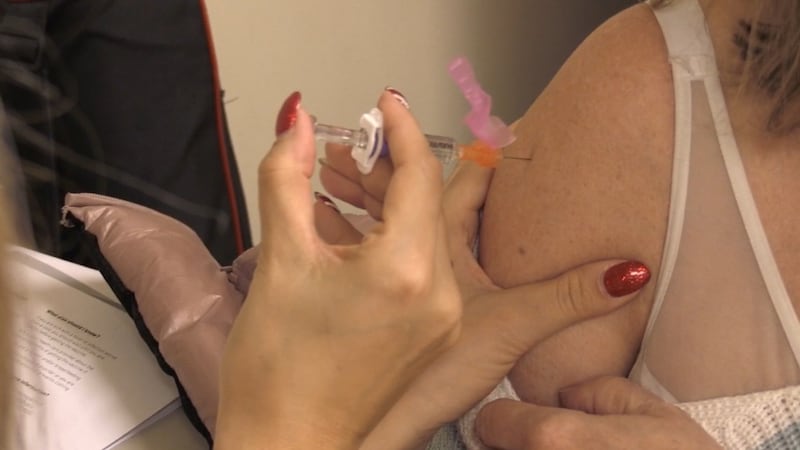
An event organized by the Ottawa Heart Institute assembled doctors and health experts to discuss nicotine addiction at the Rogers Centre on Friday. The 18th Annual Ottawa Conference: State-of-the-Art Clinical Approaches to Smoking Cessation featured key opinion leaders, experts, health care providers, researchers and policymakers from to the speak about smoking, vaping, and nicotine addiction. A large focus on the conference was on the youth vaping crisis and topics related to the prevention and cessation of youth vaping. “Many of our youth are vaping now, not only using the electronic devices but also utilizing alternative nicotine products such as pouches,” says Mustafa Coja, manager with the Ottawa Model for Smoking and Cessation Program. Dr. Hassan Mir, cardiologist and scientist at the University of Ottawa Heart Institute, says many people who vaped have never smoked before, which is a cause for concern. “Even though these products are being sold as they help people quit smoking, they’re often being marketed to people that have never smoked before and are using nicotine recreationally and unfortunately become addicted to nicotine,” Mir said. Mir says vaping often serves as a gateway to cigarette smoking for youth. “The idea is really to address nicotine addiction and its associated effect on mental health, cardiovascular effects, lung health, cancer health, etc., to hopefully then try to address this, to then improve patient outcomes and clinical outcomes and what have you,” Mir said. Mir says people using emerging products, whether it’s vaping, nicotine pouches or cannabis, are more likely to have a difficult time quitting. Experts and researchers across the country and beyond Canada shared their research on why youth are increasingly using nicotine products. Many also shared research on the harms and effects of these products, and how the Heart Institute can best support those who use them. Statistics show approximately five to ten per cent of all Canadians vape and approximately 30 per cent of Canadian high schoolers use vapes, a number that is closer to 35 per cent in older high schoolers. “It’s very concerning because many of these people, as we’re finding in more studies, are going on to not just be once-in-a-while users, but becoming regular users, becoming — quote-on-quote — hardened users where they use regularly. The addiction is getting beyond what it used to be,” says Mir. Dr. Andrew Pipe, of the University of Ottawa Heart Institute, says provincial governments and Health Canada need to develop “forceful and thoughtful” regulations for vaping products. “The tobacco addiction caused by smoking or by vaping is an unbelievably significant public health problem. At a time when we’re trying to address the challenges in our health care system, an obvious place to focus is on ensuring that young people never become nicotine addicts,” says Pipe. “It’s time to get elbows up insofar as the tobacco industry is concerned.” Jacob Woloshin, a patient panelist at the conference, shared his lived experience with vaping and smoking. Woloshin says he used to be anti-vaping but decided to give it a try two years ago. He initially used it as a tool to quit smoking, but soon realized he was vaping more than he had ever smoked. “I was up to basically two packs a day with vaping, and you don’t realize how much you’re actually vaping.” says Woloshin Now, Woloshin vapes on a rare occasion but says he currently navigating how to quit the habit. He says it is an addiction. “I’m on the patch right now. I’ve used the Nicorette inhaler,” he says. Woloshin says going through the University of Ottawa Heart Institute helped him a lot. He says the reason he wanted to quit vaping, was to improve his heart health. “Talking with health professionals, the nurses and everything was a lot easier than talking to anybody else about quitting smoking and they’re not judgmental,” says Woloshin. The event runs Friday and Saturday until 4:30 p.m. at the Rogers Centre.