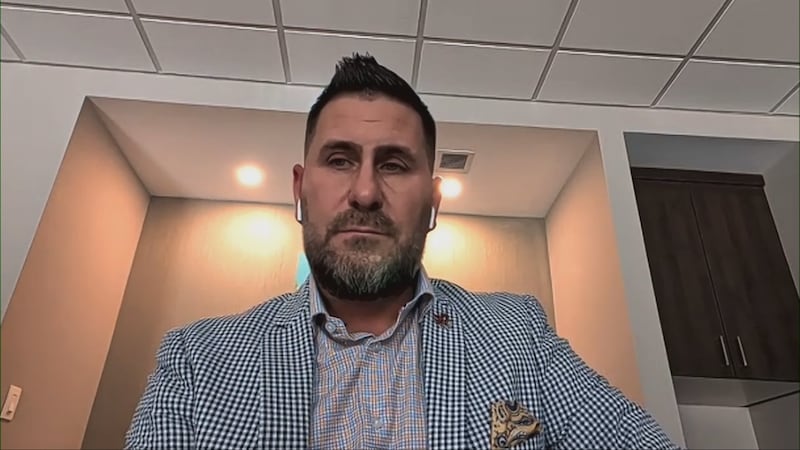
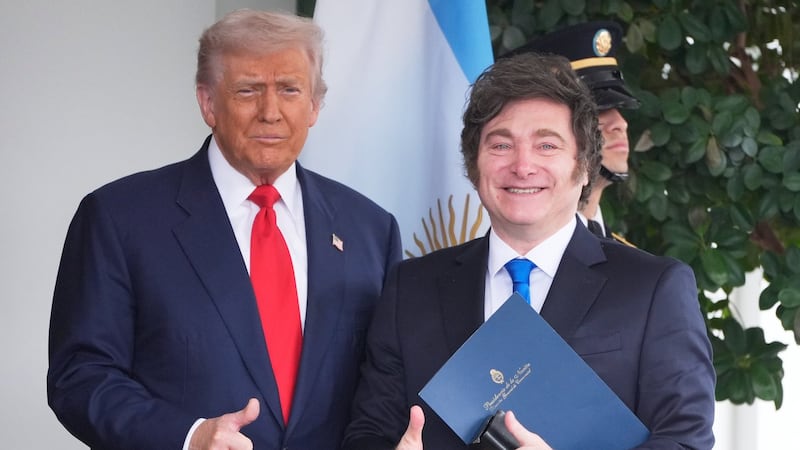
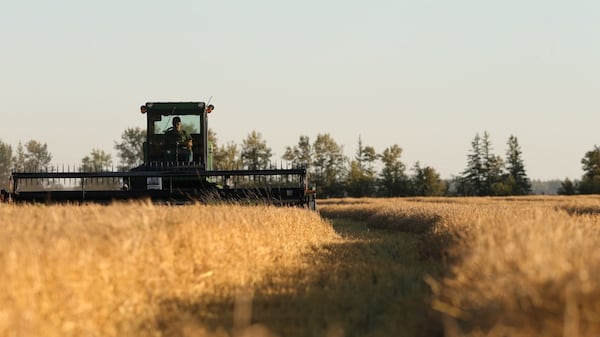
U.S. tariffs are not about to disappear, at least not in the short term, according to Quebec Premier Christine Fréchette. Speaking before the Montreal Council on International Relations (CORIM) on Tuesday afternoon, Fréchette outlined her vision for Quebec’s diplomacy. She recounted the meetings and trips she has undertaken in the field of international relations and trade since taking office, before answering questions from Brian Myles, editor of the newspaper Le Devoir. When asked whether she believed such a possibility might one day arise, Fréchette said she felt that “we are still a long way off” from a world without tariffs. “The U.S. administration has changed its stance on this issue. (...) I cannot see a scenario with the United States, in the near future or in the short term, where we could return to a tariff-free framework. The prevailing view is that we will have to live with this. At what level now? That is what remains to be negotiated,” said the CAQ leader. Fréchette made the comments less than 12 hours before it became clear whether U.S. President Donald Trump would carry out his threat to impose tariffs on $28 billion worth of Canadian goods just after midnight. The premier expressed concern about the entry into force of this round of tariffs, which she believes could hit Quebec harder than the rest of Canada. She said that she had a plan in place should these tariffs come into force. “We are prepared in the event that tariffs are imposed on us,” said Fréchette. “These would be the most significant to date. We have support plans for businesses. The federal government has some too.” It should be noted that Quebec is already affected by sector-specific tariffs imposed by Washington on aluminum and steel, as well as on the softwood lumber industry. In her address to CORIM, Fréchette said that she had recently presented a new international policy for Quebec. This policy expands upon the Gérin-Lajoie doctrine, which posits that Quebec’s sphere of international action must be an extension of its internal constitutional powers, she explained. “From now on, under a Fréchette government, Quebec will be able to assert itself throughout the world on any issue affecting the interests of our nation. “I am thinking in particular of issues that affect the prosperity of Quebecers, the protection of our state and our territory, or the defence of our language and our culture. To achieve this, we will pursue both economic diplomacy and diplomacy of influence,” said Fréchette. Trade with the United States would remain central to a future CAQ government’s international policy, while working to diversify markets, she maintained. The premier was the last leader among the five main political parties in the National Assembly to accept CORIM’s invitation, as part of the “Québec 2026: The World at the Ballot Box” series in the run-up to the general election on Oct. 5. This report by The Canadian Press was first published in French on Aug. 18, 2026.