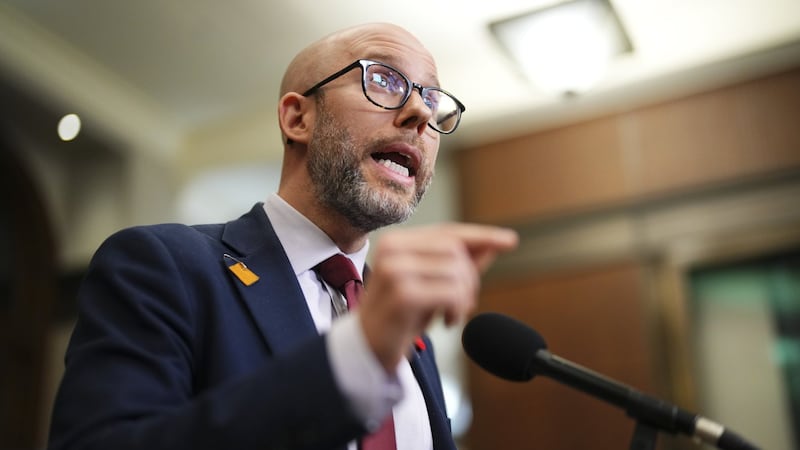
Food insecurity continues to worsen in Quebec as food bank attendance breaks new records. Quebec food banks responded to nearly 3.1 million requests for food assistance in March 2025, according to the 2025 Hunger Report published Monday. “That’s huge,” said Martin Munger, executive director of Food Banks of Quebec (BAQ). This represents a 6.6 per cent increase since last year. The number is even more significant when measured over three years, with a 37 per cent jump since 2022. READ MORE: Food costs are spiralling. These Canadians are turning to food banks for help “Food bank attendance has been steadily increasing and continues to rise this year,” said Munger. Food banks are under heavy demand and are struggling to meet the growing need, even though they are distributing more food, the executive director pointed out. Quebec’s subsidies, which are indexed to the cost of living, are not keeping pace with the real increase in demand, he added. This situation creates “a kind of bottleneck,” he explained. “Often, organizations in the field are in smaller facilities that don’t have enough refrigeration or freezer space.” Some organizations are too cramped and lack enough support. “We have no trouble finding volunteers,” said Munger. “It’s rewarding work. At some point, if we don’t have space for them to work, we can’t take on any more.” According to the Hunger Count, 29.4 per cent of the 1,400 organizations in the network had to reduce the size of their baskets to serve more people. A total of 10.6 per cent were unable to provide assistance due to a lack of food. Explosion in the cost of living The increase in the cost of living is exacerbating the financial insecurity of the most vulnerable, explained Moisson Montreal Executive Director Chantal Vézina. “Everything is much more expensive: food, housing, transportation,” she said. “Now there are also phones, which are part of our lives. So. all these costs are constantly increasing.” In the Montreal section of the Hunger Count, Moisson Montreal said rent for a four-and-a-half apartment increased by 18 per cent between 2022 and 2024. The cost of a “healthy and balanced” diet increased by 16 per cent over the same period. In Montreal, more and more students are turning to food banks, while rents have increased and the job market is more difficult for young people, Vézina pointed out. Munger specified that the Hunger Count data was compiled in March, and he fears that the situation has deteriorated since then. He mentioned the impact of trade tensions, referring to recent layoffs that have made headlines. Faced with rising food insecurity, solutions must be found to put more money in the pockets of the most disadvantaged so that they can buy their own food, Munger argued. “This means improving social programs, raising the minimum wage, and addressing the housing crisis,” he continued. “If we don’t have answers to these issues, food bank use will continue to grow.” This report by The Canadian Press was first published in French on Oct. 27, 2025.