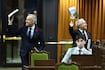
The Quebec association for recording, concert and video industries (ADISQ)’s gala highlights the best in the province, but some concerns have been raised about the Rap category’s nominations. This year, once again, the Rap category had only white nominations. Kristoffer Charles of The Quebec Association of Urban Music says his fellow jury members are anonymous. “I was part of the jury, so I was able to cast my vote. The thing that I noticed, though, is that on the ballot for ADISQ there was a lot of diversity. I don’t know what happened in the process, but obviously that wasn’t reflected at the end.” Montréal Media Lifestylest, Malik Shaheed says more attention needs to be paid to who’s on that jury to choose the shortlist. “We talk about diversity, equity and inclusivity. ADISQ needs now to step up and make sure that it’s accessible,” he said. One of the artists nominated in the 2026 Rap category is Calamine, who proudly says, “I’m a feminist Rapper, a Queer Rapper.” Nominated twice in the Rap category, Calamine was ready with a handmade sign she held up to the cameras during the Gala. The sign translates to “5 white people nominated?” Calamine knows a win at ADISQ can make or break an artist’s career. “Twenty-five percent of their, the evaluation is how much you, you sell albums, how much shows you do in like what a commercial success you have. So, it’s vicious when you don’t have the ADISQ visibility. So then the next year you’re not booked on the festival. So I think everybody in the industry should take accountability for what’s happening right now,” Calamine said. CTV News reached out to ADISQ and was told they do not do interviews about this. Calamine feels it’s their duty to speak up even if, as an independent artist, it can be a risky move for her career. “As a white artist that has some privilege in this industry, I can take the risk.” In the meantime, Shaheed wants to help rap artists get seen. “To educate, be inclusive, and find equitable ways to bring up an even playing field. So the role I want to play now is to educate people on how the industry works. You know how to get grants, how to market yourself, why they call it the music business, understanding the part of the business.” Charles wants to open talks with ADISQ to make sure 2027 is more inclusive. “To talk to them and kind of get to a mutual understanding of how we can do things better for that to not happen again,” Charles said.