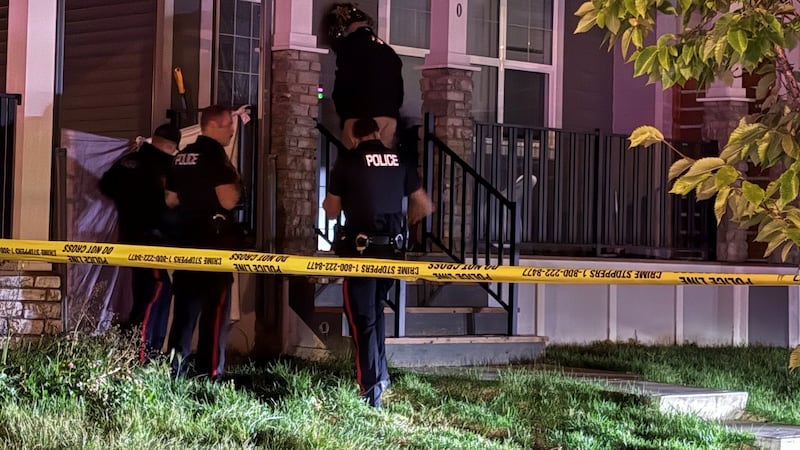
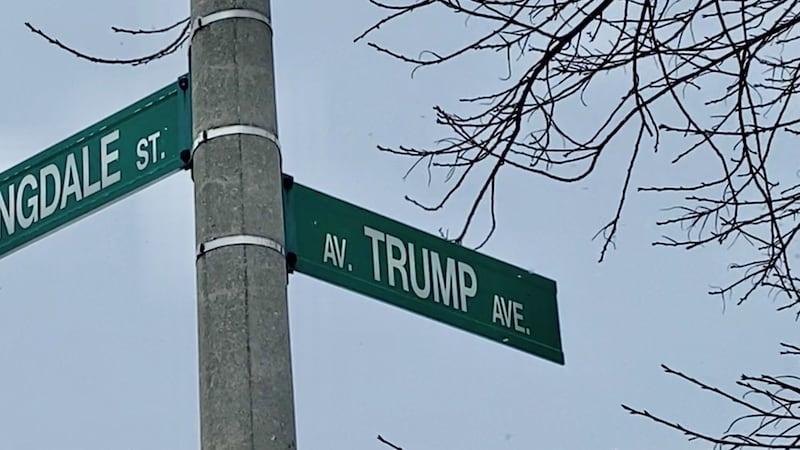
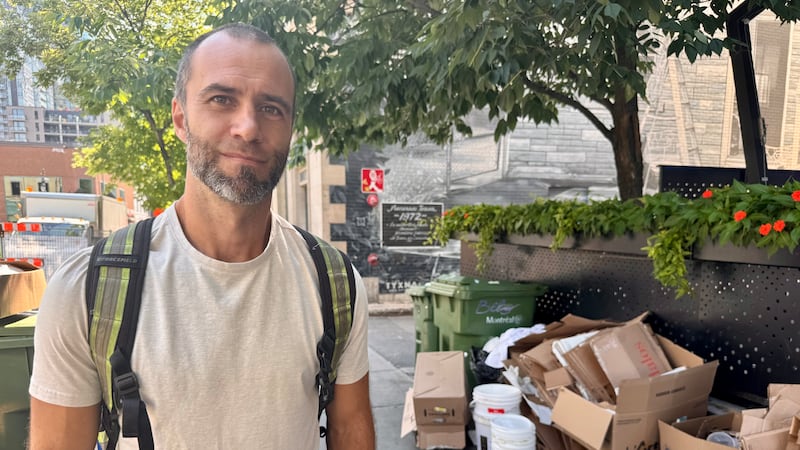
A toxic remnant from London’s past might soon have a financial pathway to remediation. Next week, the Strategic Priorities and Policy Committee (SPPC) will consider a staff report about potential funding sources for the clean-up of coal tar soil contamination and the redevelopment of the parking lots at 133 Ridout and 84 Horton streets, just south of downtown. Mayor Josh Morgan tells CTV News, “What we’re going to have an opportunity to do here is to take a stranded asset that is just a parking lot and turn it into [public] parking that Londoners need, clean-up a contaminated site with some of the resources we have, and ultimately put some more housing in our downtown core.” In September 2024, Morgan used his strong mayor powers to order an evaluation of municipal parking lots in the core area for potential redevelopment that would include affordable housing. Two parking lots at the intersection of Ridout and Horton remain on the short-list. The intent of the procurement process is to offer the sites “as-is,” with the purchaser being responsible for preparing the land for redevelopment. However, several developers who formally expressed interest in both properties also expressed concern about the cost of remediating the coal tar contamination in the soil. Coal tar contains highly toxic and carcinogenic compounds as well as heavy metals. A coal gasification plant and disposal pond were located at 199 Ridout St. and 75 Horton St. from 1853 until 1939, leading to significant soil contamination on the property west of Ridout Street. The gas produced was primarily used for heating and streetlights. The site was later covered with a parking lot, and remedial systems were installed to manage the buried coal tar’s impacts and prevent its discharge into the nearby Thames River. Bringing the site up to the standard for residential development will be costly for a developer, so the new staff report outlines the potential to qualify for financial incentive programs (SoHo CIP) as well as the Horton Street Environmental Reserve Fund. “There is $89 million in the current reserve fund,” explained Morgan. “The current estimated cost of clean-up of that site is about $60 million, so there’s a bit of a buffer for unforeseen circumstances.” Gladys McCarty has lived in her home on Thames Street facing the parking lot for over 30 years. A white PVC pipe sticks out of the ground beside her backyard from a previous study of the soil more than a decade ago. She was never told how far the coal tar and its toxins might have migrated over the decades. “I haven’t heard what the results were, nothing,” she said. McCarty lives with her family inside the home. She isn’t happy about a high-rise development potentially being built so close but is also concerned about what currently lurks beneath the parking lot. “If it’s that bad over there [across the street], and they have to clean it up, then how far over this way does it go?” she asked rhetorically. A recent environmental site assessment found no indication of suspected coal tar contamination at 84 Horton St., but sampling could not be completed in the western-most corner because of the intersection with Ridout Street. City staff recommend launching a negotiated request for proposals (NRFP) before March 31, 2026 for interested developers to make their pitch to purchase, remediate, and redevelop the properties. The results of the NRFP would be considered by council in the future. “It is a negotiated RFP, which means proposals can be pitched, but then there’ll be some back and forth with staff,” the mayor explained. “Due to the complexity of the site, this is a really appropriate way to move forward.” The Strategic Priorities and Policy Committee will consider the report and next steps on Jan. 13.