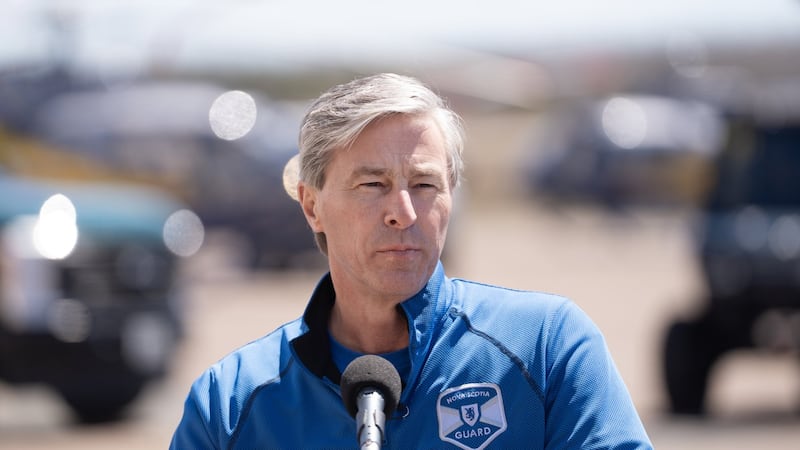
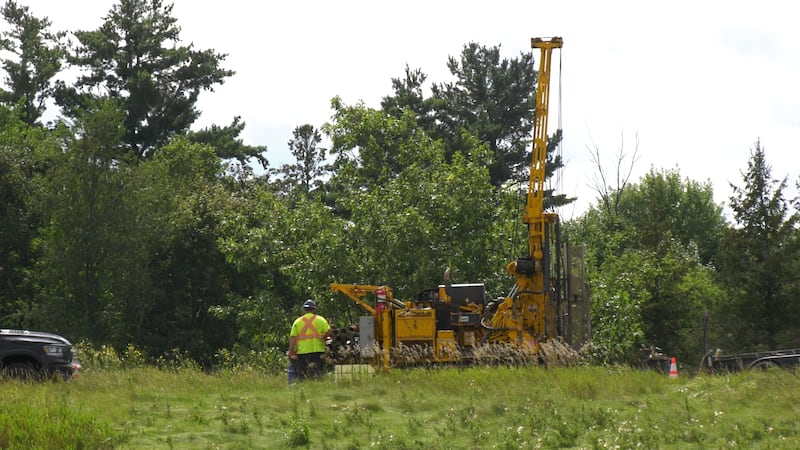
The Oneida Nation of the Thames is one step closer to reliable, clean drinking water following the Lake Huron Primary Water Supply System (LHPWSS) board’s formal approval of contracts for a critical pipeline project. This milestone marks the end of a long journey involving boil water advisories and water conservation measures that have impacted the community since the fall of 2019. For years, Oneida Nation has relied on water drawn from an aquifer linked to the Thames River. This source has become increasingly compromised by farmland runoff and outflows from larger upstream communities, leading to persistent health concerns. The situation necessitated a state of local emergency declared in spring 2022 to manage water resources. On March 5, 2026, the LHPWSS board finalized contracts totaling $26.8 million for the construction of a pipeline that will transport water from Mount Brydges directly to Oneida. The project is significantly bolstered by a $43 million investment announced by the federal government in spring 2023 through Indigenous Services Canada. Chief Todd Cornelius of the Oneida Nation expressed deep appreciation for the development. “On behalf of Oneida Nation of the Thames, I want to acknowledge the significance of today’s milestone and say ‘yawʌʔko’ (ya-won-go), which in our language means ‘thank you,’” he stated to the board. He adds that the project is crucial for “building capacity acquisition and creating opportunities for our people.” Strathroy-Caradoc Mayor Colin Grantham, who also serves as LHPWSS vice chair, confirmed that construction is slated to begin this year, with completion expected in spring 2027. “It’s extremely gratifying,” Grantham told CTV News, reflecting on the community’s long-standing water challenges. “As mayor of Strathroy, Caradoc, they’re our neighbors...I’ve been fully aware of the water situation, especially in Oneida.” The approved contracts include a bid from L82 Construction Ltd. for the main pipeline construction. Consulting services for Stantec Consulting Ltd. will also be extended through the construction period. Beyond addressing immediate health concerns, the pipeline is anticipated to enhance safety, particularly for fire services, which have faced limitations due to unreliable water supply and restricted hydrant access across the first nation. Cornelius also highlighted the significance of the project’s collaborative approach. “Many first nations’ infrastructure projects have historically happened around us rather than with us,” he noted. “Today represents a step forward in changing that,” he added, emphasizing the opportunity for direct participation in developing major regional infrastructure. This comprehensive initiative represents a crucial investment in public health, safety, and economic development for the Oneida Nation, promising a future of secure and reliable water access.