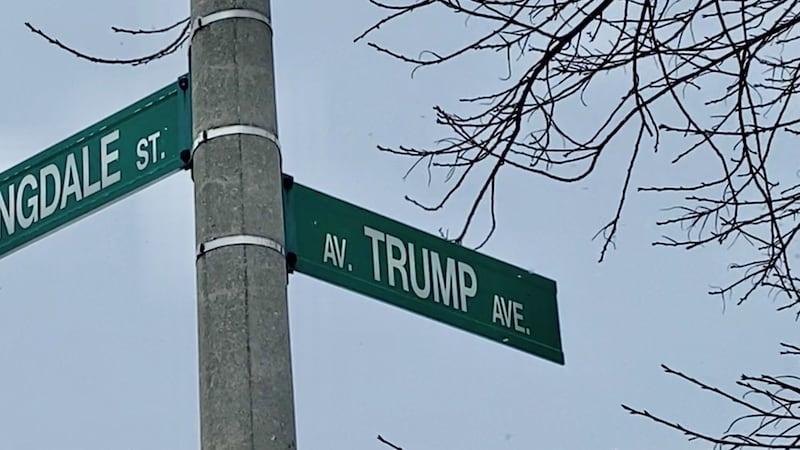
City council must agree to contribute $7 million towards relocating an unused pipeline owned by Imperial Oil before a congested section of Sunningdale Road can be widened to four lanes. A report to the Infrastructure and Corporate Services Committee (ICSC) explains that a 300mm oil pipeline is located just north of the roadway between Sunningdale Golf and Country Club and Canvas Way (approximately 2.3 kilometres). It’s too shallow and too close to the roadway to permit the planned widening, so city staff negotiated an agreement with Imperial Oil to contribute half of the relocation cost. The city will pay $7 million, equal to about half of the cost of the relocation. However, if the new section of pipeline close to London’s northern boundary isn’t constructed within 10 years, the city will be reimbursed. Coun. Corrine Rahman says the road widening project must not be delayed, but she believes it’s inappropriate that the city should be responsible for the cost. “Especially as we talk about the importance of pipelines across this country, we must have those discussions about how to ensure that the federal government is at the table looking out for the best interest of municipalities on issues like this,” she told CTV News. The pipeline runs between Sarnia and Waterdown. The staff report reads, “The pipeline is not currently operational but is pressurized and available for use if required.” Rahman doesn’t want municipal taxpayers subsidizing a brand-new section of pipeline. “Especially if this pipeline becomes an active pipeline. This becomes another revenue stream for Imperial Oil,” she said. “So why should a city have to pay for their revenue stream?” The need to widen Sunningdale Road was first identified in 2012, and if the agreement with Imperial Oil is approved by council, decommissioning of the pipeline would begin soon. The road improvements will involve expanding to four lanes, adding new sidewalks, cycling lanes, lighting, new drainage components, and a new bridge across Medway Creek. The report states, “The proposed agreement recognizes that the city project necessitated the relocation of the pipeline and considers the age of the existing pipeline infrastructure while limiting future liabilities for the city.” Rahman acknowledges the city was at a major disadvantage negotiating with Imperial Oil and believes the agreement recommended by city staff is the best deal possible at this time. However, she wants to continue pressing senior governments to take a more active role. “I definitely don’t want property taxpayers to have to pay for these kinds of costs,” she said. The Infrastructure and Corporate Services Committee will consider the co-funding agreement on Feb. 2, 2026.