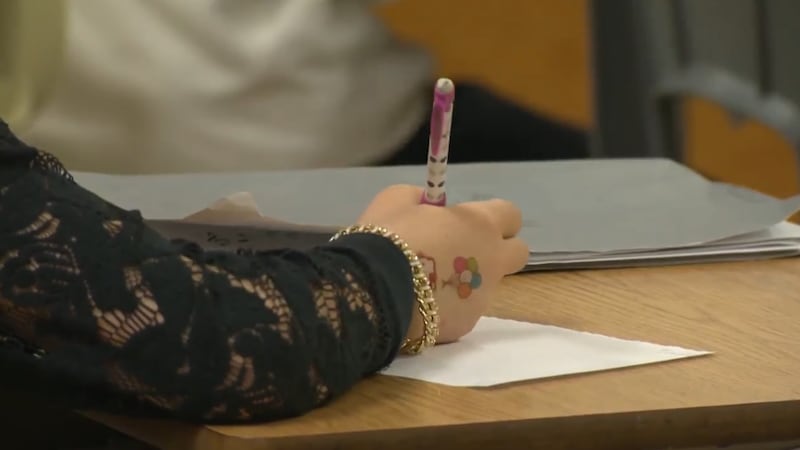
Beginning her first year at the University of Windsor, Trinity Miles, a political science student, aspires to one day change policies she believes are hampering her ability to attend school. The Ford Government’s recent changes to the Ontario Student Assistance Program have Miles questioning whether she will even be able to start classes. “There’s been so many times where I’ve sat there, and I was just like… I feel like I shouldn’t even be going to school at this point because I don’t have the money for it,” she told CTV News. As of Aug. 1, only 25 per cent of a student’s OSAP allocation can be made up of grants, down from a previous maximum of 85 per cent. The remainder of the funds will be through a loan, which has prompted concerns about students accruing significant debt by the time they graduate. In a tough labour market, Miles said it’s been difficult to find work despite her best efforts. “So, it’s really been difficult. I’ve definitely applied [to] over 50 jobs for sure, like by a long shot, but out of those, I’ve landed two interviews,” she said. After her mom passed away earlier this summer, Miles said she’s had to update her OSAP application, leaving her stressed about whether her OSAP funds will arrive in time to pay tuition. For her program, she said tuition is about $8,000 annually. “The people in Ontario are in such desperate need more than ever with the cost of, like, living expenses, food expenses, just daily like stuff,” Miles explained. “So, to add such sudden change is a huge burden to a lot of students and families. That is very devastating.” Students concerned As students return to campus ahead of the new term, concerns about changes to OSAP, coupled with the end of the tuition freeze, have been frequent. At the University of Windsor Students’ Alliance (UWSA), President Victorieuse Sambao told CTV News it’s “scary and frustrating” to see other students stressed about the financial burden. “If someone like me, who is now President at the UWSA, had worked up to four jobs before I started my term, I can only imagine the financial stress that others are going to feel moving forward, especially first-year, second year, and third-year students,” Sambao said on Wednesday. Each year, thousands of students rely on OSAP to attend Ontario universities. Sambao worries the changes will force “the workers of tomorrow” to focus on financial means rather than careers they enjoy. “We’re not considering that there are some families that rely on the students, their children, to make more income. We are not considering that picking a program is literally someone’s key into a better future, and that in itself is really, really unfortunate,” Sambao added. Since the province announced the changes earlier this year, students in high schools and post-secondary institutions have held protests across Ontario. Sambao encouraged students to continue those efforts, in hopes the province will reverse course before more students are forced to make difficult decisions. “We can’t really be in a situation where we’re investing all that time and money in education without even entering the workforce,” she added. Old formula ‘no longer sustainable’ At the time the province announced the changes, the Ford Government cited “unsustainable” as the reason for the change. The province also announced $6.4 billion to help bolster academic institutions at the same time. Windsor–Tecumseh MPP Andrew Dowie was not available for an interview but provided a statement on the decision. “We understand that many students and families are concerned about the cost of postsecondary education and the prospect of taking on debt. Higher education remains one of the most important investments a student can make in their future, and our government remains committed to ensuring financial assistance is available for those who need it most,” he wrote. “The current OSAP framework was no longer sustainable due to the federal government’s decision to remove grant eligibility for students at private career colleges, combined with growing program uptake in recent years. To ensure OSAP remains available for future generations, Ontario is aligning its student financial support framework with other Canadian jurisdictions while continuing to support students through an enhanced Student Access Guarantee, which ensures qualified low-income students receive enough aid to cover tuition, books and mandatory fees, with additional institutional support available where needed.”