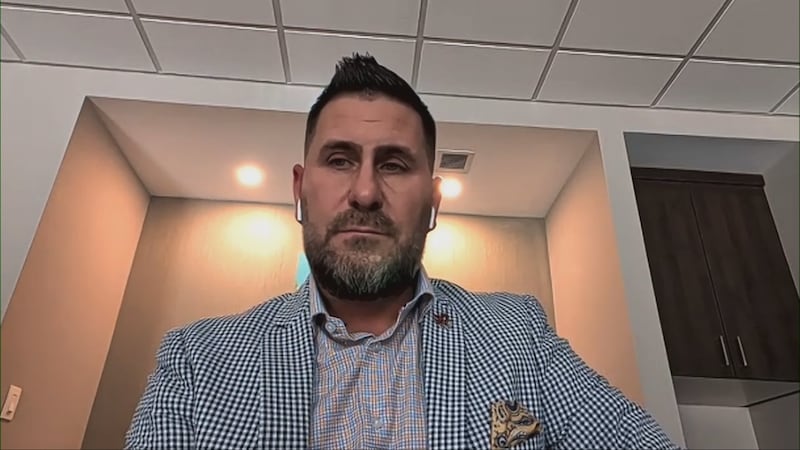
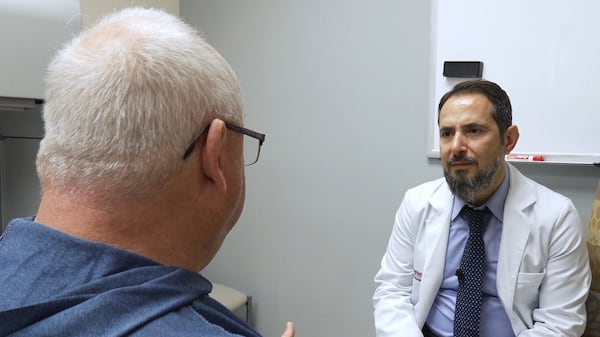
With the municipal election just days away, candidates across Waterloo Region are making a final push to get their message out, using everything from door-to-door canvassing to digital advertising. Unlike provincial and federal elections, municipal campaigns often operate without the support of established political parties, leaving candidates to find their own ways to connect with voters. “It’s a whole different scene at the municipal level. You’re pretty much on your own,” said Andrea Perrella, an associate professor of political science at Wilfrid Laurier University. Many municipal candidates are balancing campaigns with their regular jobs while working with limited resources. That often means relying on traditional tactics, including door knocking, campaign signs and pamphlets. Without party affiliations on the ballot, candidates must also work to establish their names and platforms with voters. “It’s really individuals campaigning as individuals. So, it’s not like you can just pick the party you like,” Perrella said. Social media and digital advertising are providing another way for candidates to reach residents, but spending levels can vary significantly between municipalities and individual races. Harneet Singh, managing principal of political marketing agency EOK Consults, said municipal candidates typically have fewer resources for digital advertising than those running in provincial or federal elections. Campaigns often rely on candidates’ own money or contributions from local donors. “So, obviously the amount of activity you see when it comes to digital marketing and advertising in a municipal campaign tends to be lower than a provincial or a federal campaign,” Singh said. In Toronto and Mississauga, some mayoral and council races are seeing tens of thousands of dollars spent on digital advertising each day, according to Singh. Waterloo Region has close to 200 candidates running for various municipal positions across Kitchener, Waterloo and Cambridge, he said. “On an average, the top 20 or 30 candidates we are tracking have spent about $500 or more when it comes to that advertising budget,” Singh said. While that figure may seem modest compared with larger municipal races, Singh said even a few hundred dollars can make a difference for candidates running in smaller wards or for school board trustee positions. Spending is higher in some closely contested mayoral races, including Cambridge, where candidate Ryan Bolender has spent about $5,600 on digital advertising, according to Singh. “We are seeing some real action when it comes to seats like those where the challenger candidates feel that they have a chance to unseat the incumbent,” he said. As election signs continue to line streets across Waterloo Region, candidates are also competing for voters’ attention online, using digital platforms to raise their profiles and make a final pitch before election day on Monday.