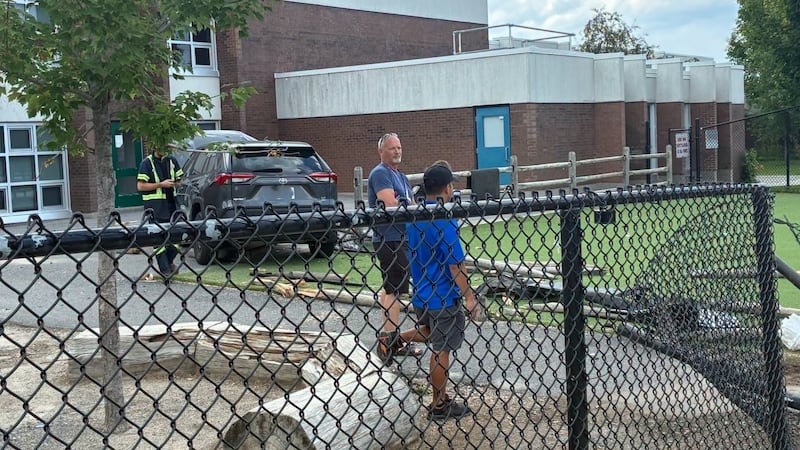
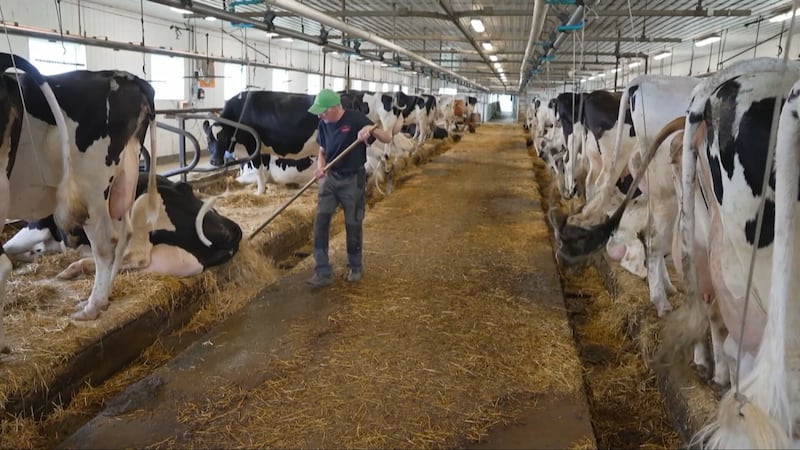
Fifteen centimetres of rain since Saturday is only further delaying seeding progress in the St. Paul area. In 20 years of farming, Josh Robbie has never seen that amount in such a short time. “We’re gonna have to wait ‘til it dries up a bit because (you) can barely even go down the roads right now. Some of them are washed out, and the fields, there’s just so many sloughs,” he said during a Tuesday interview. His area was one of a handful that counted more than 10 centimetres of precipitation over the weekend and Monday, with precipitation amounts varying greatly across the province. According to Environment and Climate Change Canada, Lac La Biche north of St. Paul recorded nearly five centimetres, but Lavoy to the south recorded more than 11 centimetres. In the northeast, the amounts equalled the typical rainfall in April, May and June combined. Robbie estimated he has seeded about two thirds of his acres and feels grateful about the progress only because of the conditions. “The biggest concern is your seeding date is getting pushed back into June. For crops to mature, generally, we need X number of days, and so this could be pushing them into late September. Then we have frost challenges and that’ll have an impact on quality and potentially yields, as well, depending on what the summer brings for us with weather events,” explained Lakeland College’s dean of agricultural sciences, Tracy Quinton. “There are crops that you could still put in – oats and barley – that have shorter growing seasons, but financially those aren’t as profitable potentially.” The calendar date is also encroaching on crop insurance seeding deadlines. Due to the conditions, seeding deadlines were extended by a handful of days, but many crops – including spring wheats, oats, canola and peas – need to be planted by Friday in order to be eligible for quality loss. “Farmers will consider seeding later than that, but you really don’t know if you’re going to have a late spring and an early fall – and that would be the, the most dangerous combination of all,” said Keith Gabert, Alberta Canola’s provincial canola agronomy specialist. Robbie added, “It’s just another thing that’ll add to grocery prices. If a lot of crops don’t get seeded, or they’re flooded out, there just won’t be as much grain.” Provincial seeding progress behind average Across Alberta, seeding was 74-per cent complete as of May 26, according to the most recent provincial crop report. That is behind the five-year average of 83 per cent at this time of year. “While it’s still too early to say the impact that recent rains have had on farmers and seeding progress, we know it’s impacted farmers across the province differently,” said a spokesperson from the ministry of agriculture and irrigation. For example, while the northern and Peace regions are behind the five-year average, with 52 per cent to 68 per cent of crops seeded, the south is ahead, with 95 per cent of major crops seeded as of May 26. “In the south, particularly the deep south… some of those guys have had, prior to last year, poor crops 10 years in a row. They’re short on moisture. They’re just really happy with the rain they had in season last year. They were dry again this year, this spring, and they’re happy again with the moisture they get now. The reservoirs are full,” Gabert said. Livestock producers are happy about the rain, too. “This will have a really good effect on pastures and greening those up and providing animal feed for one side of the sector, anyways,” Quinton pointed out. All are watching the forecast, which could bring more rain to some areas. “They probably get another 30 to 50 millimetres by the end of the weekend, with most of that coming over the weekend, so it’s not going to dry out anytime soon,” said CTV News Edmonton meteorologist Josh Classen. “That’s the running joke: You can always talk to a farmer about weather,” Quinton said. “That’s the joys of farming. It’s always been like that, and it always will be,” Robbie added. With files from CTV News Edmonton’s Evan Kenny