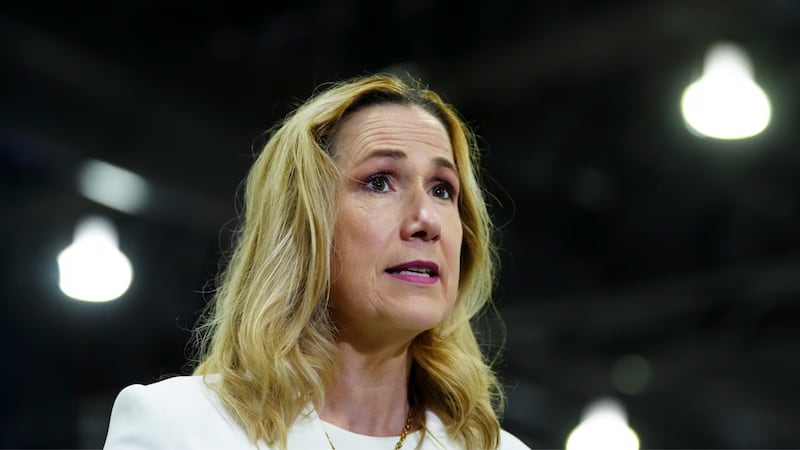
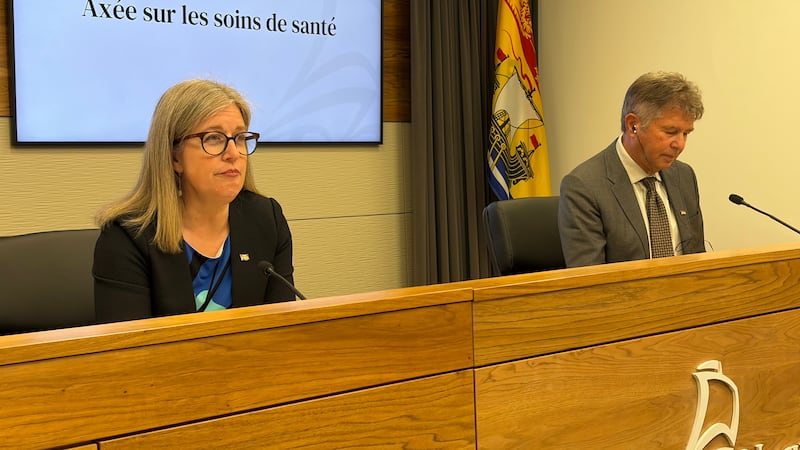
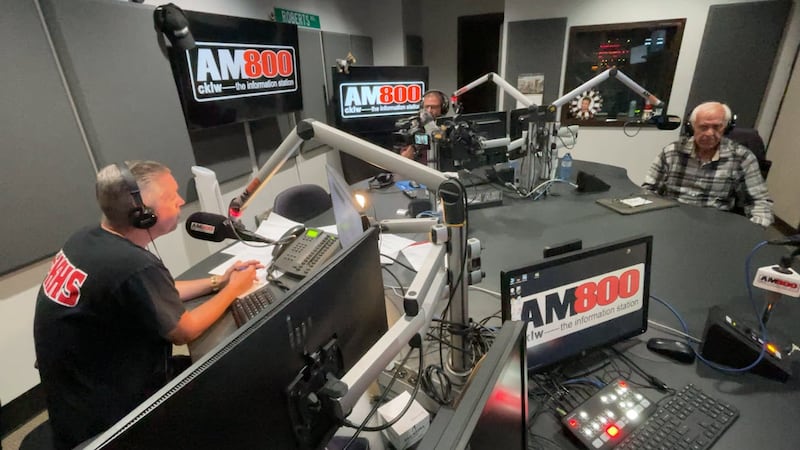
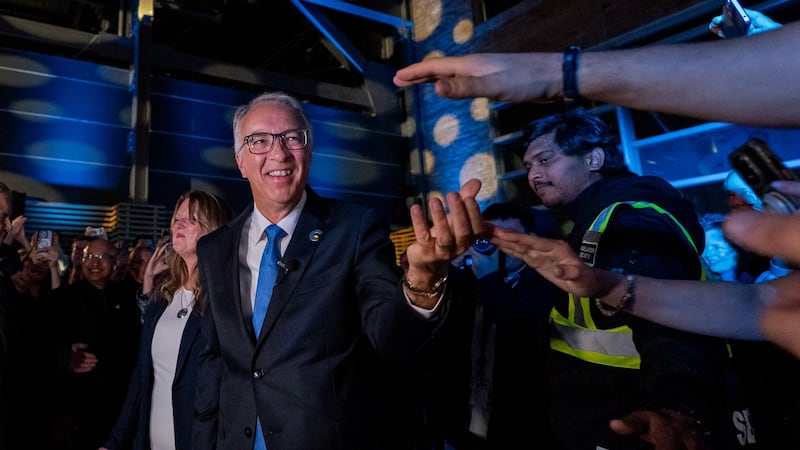
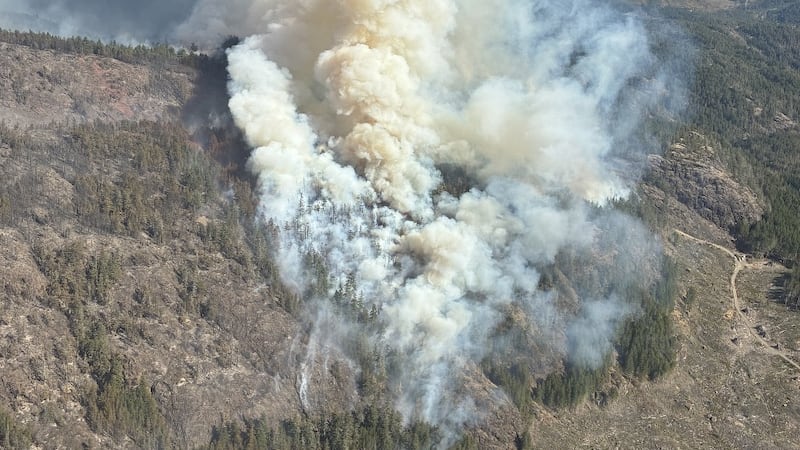
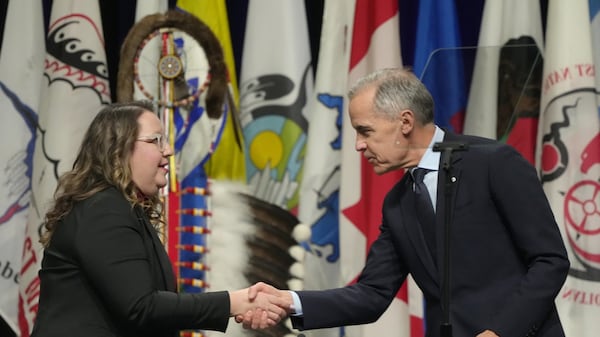
The federal Liberal government released its spring economic update earlier this week, which included a promise of billions of dollars on a strategy to train more skilled workers. MP Eleanor Olszewski, minister responsible for Prairies Economic Development Canada, joins Alberta Primetime’s Michael Higgins to discuss the update. This interview has been edited for length and clarity. Michael Higgins: Before we get to the economic update, the U.S. president has authorized a new pipeline to take more Alberta oil south of the border, considered a partial revival of the Keystone XL project. How does this land with your government, especially in relation to the MOU (Memorandum of Understanding) signed with Alberta? Eleanor Olszewski: I think it’s actually very good news. The prime minister has said repeatedly that he wants our country to be an energy superpower and this is certainly a step in the right direction. So we’re very, very pleased with this news. MH: Does this negate the need for the additional west coast pipeline being actively pursued by the Smith government? EO: I don’t believe that it does. As you know, we’ve signed a couple of great agreements already pursuant to the MOU and I’m really optimistic that within the next short while we’ll have an update as respect to negotiations between our government and the Alberta government. And I’m optimistic that there will be another pipeline that does, in fact, move forward. MH: To what degree is progress being made on the MOU, especially in relation to the spring economic update? EO: As you know, there was an agreement with respect to methane emissions that was already reached, as well as another cooperation agreement with respect to some regulatory matters. It’s the carbon-pricing aspect that’s one of the issues that remains to be resolved. There are some other issues, of course, but it’s a complex MOU and it’s not surprising that it’s taking some time to negotiate the balance of the terms. I don’t want to speak for Premier Smith, but certainly she has seemed to indicate the discussions are going in a good direction. I’m very optimistic about that project. It’s interesting, we have a number of projects that are with the major projects office at this time. There’s 15 other projects with the office and another six that are called transformative projects, meaning they’re not quite ready yet, but they’re sort of next in line. Honestly, I’m so proud of this government, because in a very short period of time, like a year, we have 15 projects plus another six, and that’s actually an incredible state of affairs. I’m really pleased and proud of this government for having accomplished, what I think is, a large number of projects on the go within, as I say, a quite short period of time. MH: Let’s pick up on the spring economic update. What do you feel should resonate most with Albertans about this? How do you see it making a significant difference right here in our province? EO: I think one of the things that’s really important is the sovereign wealth fund, because it will invest in some of the projects that are already with the major projects office. And the other thing is it really allows Albertans, as well as other Canadians, to be part of Canada’s economic success, to be part of the way that we are seeking to build this country strong. So I think that fund is an incredible initiative and I’m also really pleased with respect to what we’re doing regarding Team Canada Strong and the skilled trades. I made an announcement this morning that basically echoed the PM’s announcement regarding the skilled trades, and I made it at a union office this morning. The people in attendance were trades people, so excited to hear that the trades will be enhanced through some additional government funding. It’s really a historic investment in trades. And, of course, we can’t build what we want to build, be it pipelines or trade corridors, ports, mines, we can’t do any of this without proper skilled trades. It’s an incredible opportunity for young people in Alberta to be able to pursue the trades, and to be able to do so with the ability to complete a program, because at the present time, it’s really difficult for apprentices to stay in a program. There’s a lot of people that drop out for financial reasons, and so having this support from the federal government is really being welcomed by the trade unions. MH: How do you respond to those Albertans who say this update lacks specifics, especially where affordability is concerned? You need only look at how much the price of fuel at the pumps has increased this week alone. EO: The economic statement itself is actually not a budget. It’s really an update, and it’s almost 200 pages long, it’s a substantial update. Its purpose is really to let Canadians know what we’ve done with respect to Budget 2025, what targets we’ve hit and where we’re headed. This is a serious government with a strong plan. The idea was really to let Canadians know where we are, that we have hit our defense spending, for example, our two per cent, to let Canadians know where we are with respect to major projects. In terms of affordability, we implemented a lot of measures before this spring economic update. They’re everything from providing 22 million Canadians with a tax break, and that was something that the prime minister did basically immediately upon taking office, to so many other things like expanding dental care, expanding PharmaCare. The groceries and essentials benefit that, for a family of four, can mean $1,900 and the pausing of the fuel excise tax. There are a number of other measures, some automatic tax filing for people the least able to be able to do that so that they can recover benefits that they might not otherwise get. There’s so many measures that the government has taken that are affordability measures, and we took them in response to the concerns of Canadians and we’ll continue to do so. MH: We’re nearly out of time, but I really need to ask, it was 10 years ago this weekend, wildfire roared into Fort McMurray. As minister of emergency management, how confident are you in saying progress has been made the past decade to avoid repeating a disaster of that extent? EO: I can tell you that I’ve been really focused on, since taking the job as minister for emergency management, where we’re not doing as well as we could from a federal perspective. I can tell you that in Budget 2025, there is $355 million set aside for the leasing of water bombers, and those had already gone out, and we’ll be making an announcement with respect to those water bombers within the next very short while. So they’ll be here for this year’s wildfire season, so that’s great news. There were a number of other measures, including modernizing the national public alerting system, that will help in times of wildfires and other disasters. Separate and apart from wildfires, I just announced a new federal government portal, it’s a flooding portal, and the technical part of it is up and running, and provinces have the ability to opt in. So when and if Alberta opts in, for example, and we’re hoping that they will, citizens can type in their home address and they’ll be advised as to what the flooding risk is on their property, and they can get their neighborhood flood risk as well. We find that a lot of Canadians just aren’t aware of the risk, and they don’t know what steps to take. By finding this information out, there’ll be other information that a homeowner can read to see what simple steps they can take to safeguard their homes.