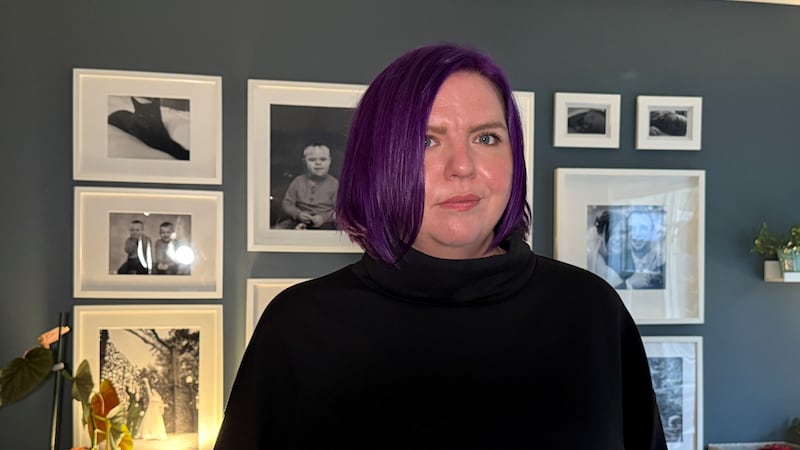
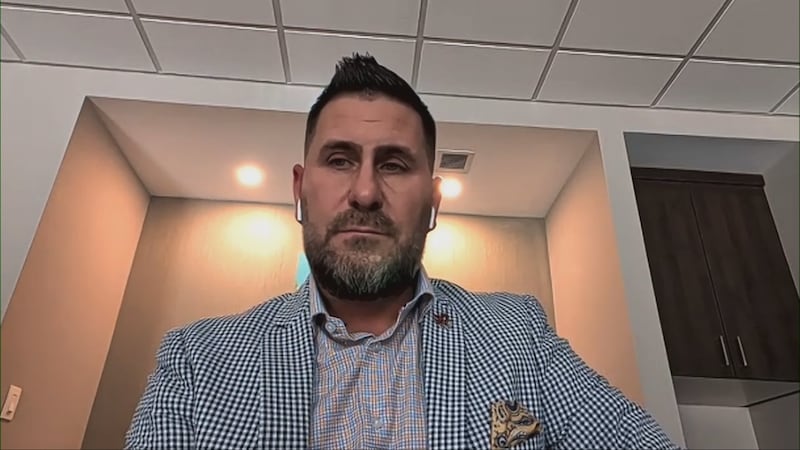
Watch CTV W5 Balarama , Saturday at 7 p.m. EDT MONTREAL - Balarama Holness was in his Montreal living room reading a book to his 21-month-old daughter on Tuesday when former Minneapolis police officer Derek Chauvin was found guilty in the murder of George Floyd. Upon hearing the verdict, Holness, a rising political force in Montreal and former CFL star, was shocked and surprised to see the 45-year-old found guilty of second-degree unintentional murder, third-degree murder and manslaughter for pressing his knee on Floyd’s neck for over nine minutes as he struggled to breathe. “This was the exception of exceptions. The criminal justice system rarely delivers judgement that criminalizes police actions. After digesting what had just happened, I realized that, despite the fact this was one case, it was a symbolic glimpse of hope that judicial systems across the world, including here in Canada, have the potential to hold everyone equal before and under the law, regardless of race and ethnicity,” Holness said. The 37-year-old high school dropout turned his life around first by embracing sport as a track superstar for the University of Ottawa and then by becoming a Grey Cup champion with the CFL’s Montreal Alouettes in 2010. Holness has since used education to drive his passion for racial justice and change. He now has five degrees, including a master’s in education and a double law degree. The video seen around the world that lead to Chauvin’s conviction - the 2020 murder of George Floyd - reignited interest in the Black Lives Matter movement internationally. But Holnesss and his group Montreal En Action, had already been pushing for change. In 2019, Montreal En Action gathered thousands of signatures to force a dialogue and public consultation on systemic racism, which led to a damning report and 38 recommendations, many focused on policing reform in Montreal. Recalling the horrifying scene and video of Floyd’s death, Holness says, “The world knew a white police officer kneeled on the neck of George Floyd, and ultimately killed George in broad daylight. “I never looked at the video for more than 5 seconds. What I did see... [made me feel] pain and trauma. All the videos of Black bodies being killed has an impact on our collective mental health. For me, it’s extremely difficult to watch.“ Holness took an overview off the global outcry, especially watching how Canada and Quebec responded. “We do not need the United States of America to have a conversation about systemic racism right here in Canada. We have our own issues,” he says. With legal armour, Holness cites the 1987 case of Anthony Griffin, a 19-year-old Black man who was shot and killed by Montreal police officer Allan Gosset, who was later acquitted two separate times of manslaughter. Thirty-three years after that case, Holness is still reeling about the assault on Juliano Gray on a Montreal subway platform by transit officials, for which there have been no charges of wrongdoing. Montrealers are still seeking justice for Bony Jean Pierre who was shot dead in 2016 by a Montreal police officer. That officer was just recently acquitted of manslaughter. "Change will not happen at warp speed as politicians cheer," says Holness, However, in the wake of the ruling in the U.S. and with a report that acknowledges racism is alive in Montreal, Holness is calling for the police to stop carding based on race and skin colour. He’s also calling for officers to use de-escalation techniques that integrate experts in mental health and social work when it comes to policing.