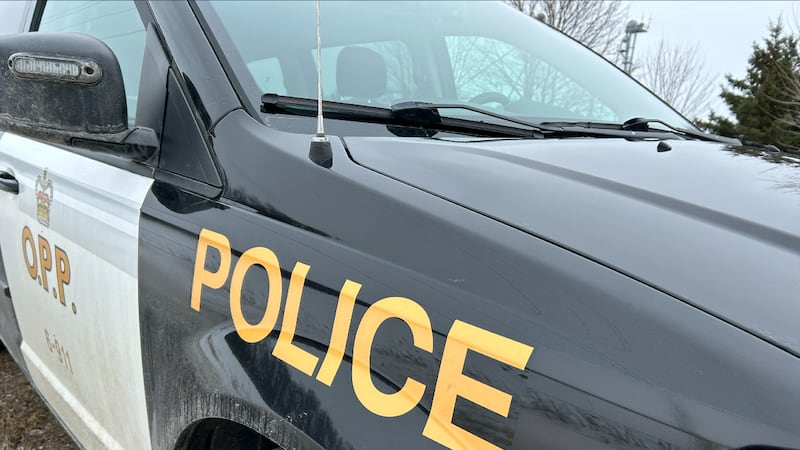
Motorists who choose to get behind the wheel impaired will face tougher penalties in the new year. Starting January 1, new rules will come into effect in Ontario for impaired and alcohol-related driving offences. “No family should ever face the heartbreak of losing a loved one or the trauma of a life-changing injury because of a dangerous and careless driver,” said Minister of Transportation Prabmeet Sarkaria. “These proposed changes will deter reckless behaviour, hold offenders accountable and make our roads and highways safer.” Police issued a reminder to motorists on Friday, noting the changes and how they impact drivers who disobey. Young Offenders The changes include longer roadside licence suspensions for young and new drivers caught with any alcohol in their system, even at low levels. For a first offence, suspensions will increase from three days to seven days. Second offences will see suspensions rise from seven to 14 days. Officials say this applies when drivers violate zero-tolerance rules, have a blood alcohol content (BAC) between 0.05 and 0.079, or fail sobriety tests at the roadside. Look Back Period Another major change is the extension of the “look back period,” which is the time frame used to count prior alcohol or drug-related offences when deciding penalties. With the new look back period, police officers will be able to check past records over 10 years for alcohol or drug-related driving issues, which is double the previous five year period. Which further means any incidents like licence suspensions, administrative penalties, ignition interlock device requirements, and mandatory education or treatment programs, will now stay relevant for a decade instead of five years. Education Under the new changes, first-time offenders who receive a roadside suspension will have to complete a remedial education program run by the Centre for Addiction and Mental Health. While repeat offenders will have to take part in a treatment program. Police say these requirements will be clearly stated in updated suspension notices and online records. Police remind the public to report suspected impaired drivers by calling 911.