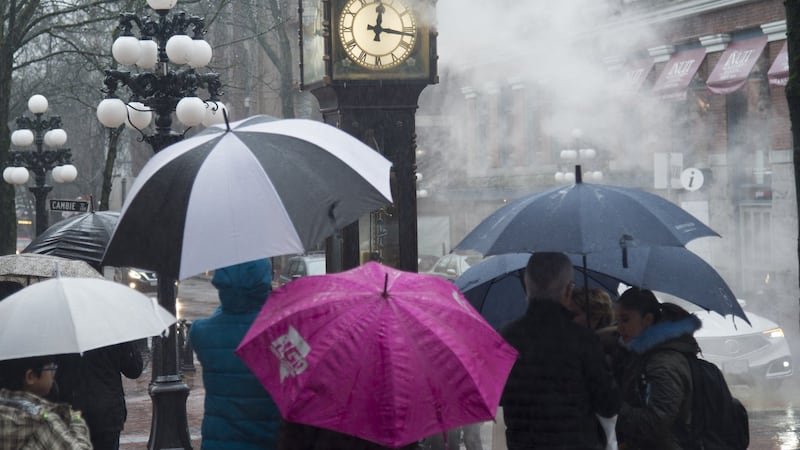
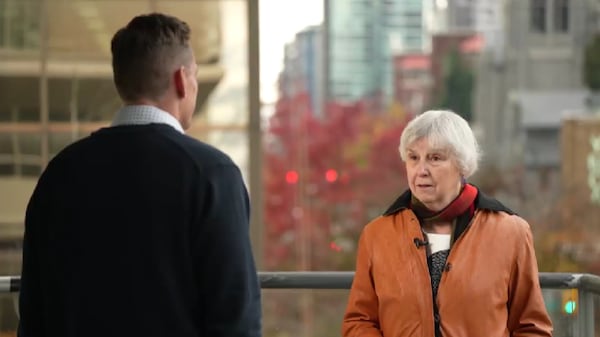
Now that B.C. is locked on permanent daylight saving time, the Island Health Authority is encouraging people to be mindful of how much sunshine they’re getting. The province decided clocks wouldn’t fall back on Sunday – or ever again. That means British Columbians will see darker mornings and brighter evenings this winter. A medical health officer for the South Island said it’s important to get some light in the morning, even if it’s artificial. “Morning light regulates your circadian rhythm,” Dr. Melissa Wan told CTV News. “So when you wake up, whether that’s turning on your lights or going to your window to have your breakfast.” Wan said having a consistent bedtime, dimming your lights and ditching your phone at night will make the darker mornings easier. “Clock changes, overall, do increase poor cardiovascular and injury outcomes,” she said. “By not changing our clocks anymore, this actually contributes a lot to improving the health of the population.” There are proponents for and against permanent daylight saving time. A study published in the Canadian Medical Association Journal argues permanent standard time is the healthier choice. “When people are exposed to light later in the day – when their sunrises are later – they just sleep less,” said study co-author Patrick Baylis, an associate professor of economics at the University of British Columbia. Road safety groups worry less sleep and later sunrises could put early morning pedestrians and drivers at risk. Road Safety at Work is dedicated to reducing vehicle crashes and injuries among workers. It’s encouraging drivers to ensure their windshields are clear and their wipers, taillights and headlights are working. “You really need to optimize your visibility,” said Road Safety at Work program director Trace Acres. “Really being alert and watching for pedestrians, schoolchildren, other drivers, wildlife on the roads – all those things that are just a little harder to see in the dark.” On Nov. 6, the Victoria, Saanich and Sooke school districts will take part in an initiative called “Let’s Get Visible,” raising awareness about darker winter mornings and encouraging safer travel habits across the capital region.