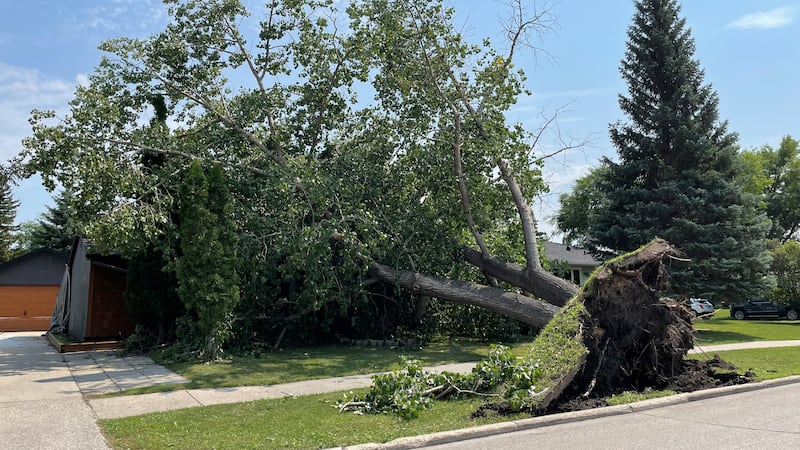
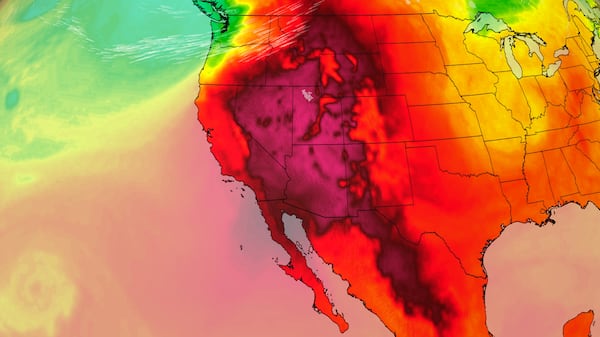
Buckle up because this stretch of heat could be a long one. While the region has seen heat this intense so far this year, the length of it makes this time different, according to David Phillips, climatologist with Environment and Climate Change Canada. “It’s been a little time coming – the duration of it,” says Phillips. With a new month approaching, comes new weather. The difference between this heat and other times in May and June when we’ve had humidex values in the 30s, is this one is long. We may not even get a reprieve when the week wraps up. “Even when it cools off at the end of the week, temperatures are still going to be elevated,” says Phillips. The average temperature in Barrie at this time of year should be a high of 25 C, but this week, we’re expecting highs of 33 C, between seven and nine degrees warmer than normal. And that’s measured in the shade. In the sun, the temperature could go up seven or eight degrees. “In the last 30 years, this could be the warmest July 1 we’ve had,” says Phillips. The last time we had extra hot Canada Days were in 2002 and 2018, according to Phillips. This longer stretch of extreme heat, Phillips says, while it’s the first one, it won’t be the last one. “The first one is always the most unhealthy one, because we’re not used to it,” he says. There won’t even be much of a reprieve when the sun goes down. “Typically, nights in Barrie go down to 13. We have four nights with temperatures above 20 degrees,” says Phillips. “These are like tropical nights.” The humidity will make it feel warmer than it really is. “So, all that moisture we got in March, April, May and now June is coming back to give us more. It’s evaporating into the air, the crops are growing feverishly. That corn, the strawberries – I almost hear it growing,” says Phillips. “So far, I think our weather has been comfortable and it has been healthy but now its going to be uncomfortable and dangerous.” Potential for more extreme weather Phillips says the heat and humidity provide the fuel that become thunderstorms. There could also be hail, rain, strong winds and twisting or rotating clouds, which could become tornados. There’s a phenomenon that could develop called a derecho. While rare and isn’t seen often, it’s not impossible. “It’s like an army of soldiers going down across the landscape and just mowing everything in sight. That’s what a derecho is, like a micro-burst, but it has got like a chorus line to it and it’s moving along,” describes Phillips. “The atmosphere and dynamics could be set up to give you that. We just have to wait and see if we’re going to see that.” If you’re a fan of this weather, the show has just begun. “This is kind of the opening act of what we think will be the kind of flavour and personality of the rest of the summer in July, August and maybe even into September,” says Phillips. How to beat the heat The Simcoe Muskoka District Health Unit (SMDHU) wants to remind the public of steps to stay cool. “There’s a lot of heat illness that occurs if people aren’t taking the proper precautions,” says Grant Lafontaine, emergency and management coordinator at SMDHU. Firstly, Lafontaine says one of the best steps to ward off effects of heat and avoid serious consequences of heat illness is to stay hydrated by drinking lots of water. Lafontaine also encourages people to stay in cool places. “That may mean getting into shade, going into air conditioned buildings,” he says. Lafontaine says if you don’t have your own air conditioning, there are plenty of public places that do, like malls and libraries. “Fans are good, but not perfect,” he says. “If it’s very hot, it may not be the solution you need. You really need to be in a cooler environment.” Lafontaine recommends closing the blinds during the day to keep the heat out and, if you don’t have air conditioning, opening the windows at night to let in a breeze. When outside, look for the shade or if you can’t find any, Lafontaine says make your own. “You can also create your own shade. That’s the beauty of a hat,” he says. He recommends pairing a hat with sunglasses to protect your eyes. Lafontaine advises limiting alcohol intake and caffeine. Finally, vulnerable members of society are at higher risk for heat-related illnesses, like older adults, infants and those with chronic diseases. “And most of all, enjoy the warm temperatures we have, but do it in a safe and responsible way,” says Lafontaine. Signs of heat illness If you’re experiencing dizziness, a headache or nausea, that may signify something more serious than just being hot. These symptoms can then progress to more serious symptoms like cramps and a heat rash, which can lead to heat exhaustion, where the body is having trouble maintaining heat regulation. That’s where there’s excessive sweating due to loss of fluids and salt. Finally, heat exhaustion can lead to heat stroke, which can be fatal.