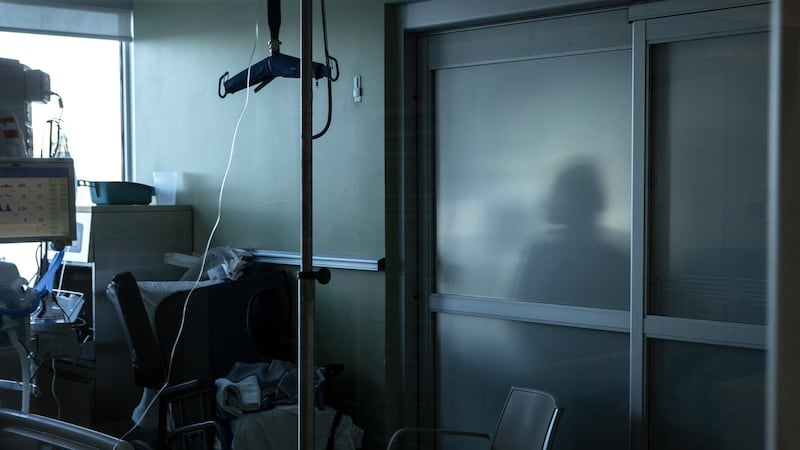
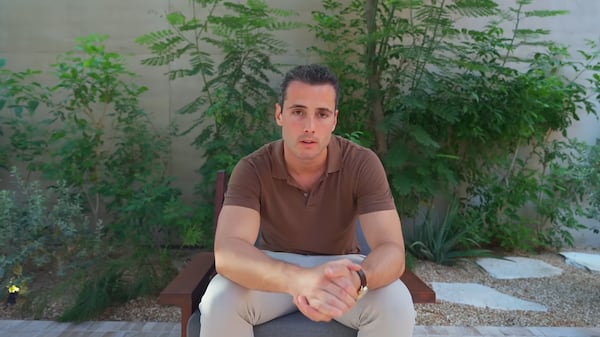
A Nova Scotia woman is sharing her story during Stroke Awareness Month in an effort to bust some myths and share some key information that could save lives. One of the misconceptions about strokes is they only happen to older people, but Mandy Grace experienced them when she was just 38. Grace says, while it happened two years ago, it feels almost like yesterday. She woke up a little bit early that day and didn’t feel right. “Something was off. I tried to stand up and I wasn’t really able to get out of bed. My dog heard me, thought it was go time, so he came running. I couldn’t speak to him or reach out and touch him and I immediately was just like, ‘Oh my goodness, what is happening to me?’ I didn’t really know what to do next,” she told CTV Morning Live’s Crystal Garrett. Grace says she has since learned 911 can find your location, even on a mobile device. However, at the time, she called her best friend who luckily answered her phone and was at her house in 10 minutes taking control of the situation and calling 911. “Because the quicker you can get treatment, the quicker the response is and the more likely it is that you’ll have a good outcome,” Grace says. “The morning after I was admitted to hospital, a scan showed that I had had five strokes, and I was in hospital for about two weeks.” Grace considered herself a healthy person with no known stroke risks. “I didn’t know there were stroke risks that weren’t smoking or high blood pressure. One of the indicators for stroke is actually congenital heart disease and it turned out, little known to me, I had a congenital heart defect that allowed a blood clot to pass into my brain, but I’d been living 38 years without it and I thought I was healthy, but sometimes health is not necessarily what you think it is,” she says. Grace was showing some of the FAST signs, which the Heart and Stroke Foundation shares in an effort to save lives: “If you are in any doubt, or if you see someone that you think might be experiencing signs of stroke, call 911. Lifesaving treatment begins literally the minute you dial and there’s no downside. Call,” she says. Grace adds sometimes stroke symptoms in younger patients are attributed to something else. “Some of the things that happened to me as well, some issues with my vision, the balance, the dizziness, the headache – those are not what you think of when you hear stroke necessarily. FAST are the most common signs and the ones that are most likely to be caused only by stroke, but there certainly are other symptoms and the more awareness the better the outcomes are going to be for us,” she says. Grace considers herself fortunate to have as full of a recovery as she’d had. “I’m back to work full time, I actually coach at Orangetheory Fitness, I’m very active,” she says. “But when I’m fatigued I do still have some speech deficits, I still struggle with kind of that brain fog and that cognitive fatigue, but overall I’m incredibly lucky to have recovered as well as I have.” For more Nova Scotia news, visit our dedicated provincial page