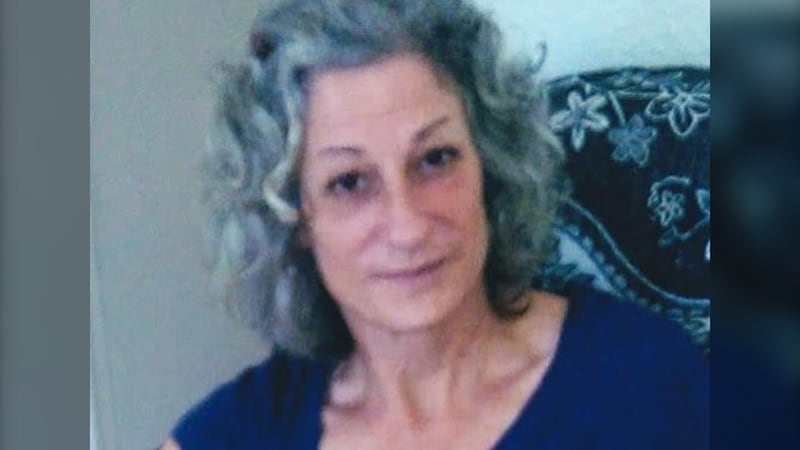
A powerful documentary about a Nova Scotian woman is about to debut at the 2026 Hot Docs Canadian International Documentary Festival. “The Last Days of April” follows April Hubbard’s journey through the medical assistance in dying (MAID) process. “The same way that I’ve lived my life all along, I’m living my death in an unconventional way,” said Hubbard in the documentary. Hubbard has qualified for MAID because she has tethered cord syndrome, a degenerative disorder of the nervous system resulting from a condition she was born with, spina bifida. While the condition isn’t fatal, it causes tissue to attach to the spine, restricting movement and causing severe chronic pain. Hubbard had her last relapse in the fall of 2022. “At that point, I knew that even if we could take care of some of the medical issues I’ve been having, I’d still have others that wouldn’t allow me to have a quality of life and that’s what made me decide it was time to apply for medical assistance in dying,” she told CTV News Atlantic’s Mike Lamb. Hubbard says applying for MAID was a strange experience, as it meant she would be coming to the end of her life. “The application process was probably some of the best experiences I’ve had in the Nova Scotia health-care system,” she said. “Everybody really wanted to take care of me and listen to what I had to say, but it was a very surreal and strange experience to know that I was applying for the last procedure I’d ever have and that would bring about my death.” Filmmaker Ree Wright and their twin sister have a production company called Mirror Image Media. “We really believe that it’s our responsibility as filmmakers to use film as a vehicle to address some sort of positive change and for us that’s really surrounding social issues,” said Wright. When April publicly announced she was pursuing MAID, Wright approached her about sharing her story. “Obviously April is one of the most inspirational people I’ve ever met, and her story is so compelling,” said Wright. “In terms of documentary filmmaking, access is really important and it felt like the trust was there and it really grew into this beautiful friendship.” While the film is about the complexities around MAID, especially within the disability community, Wright says it’s also a legacy piece that demonstrates the impact Hubbard has had over her lifetime. “It’s just such a really beautiful, inspiring film,” they said. “When I started out on this journey, my goal was I’ll set the next goal of one more thing I want to make or be able to do. I wanted to be one example of a different way of accessing MAID and hopefully the next person who’s going through this journey won’t have to feel quite as alone,” said Hubbard. Hubbard says she doesn’t have any fear connected to what she calls her “end date.” “I’m ready to move on to the next part of my journey,” she said. “Being the one to choose how and when and where I’m going to say goodbye to all the people I love. I know I’m in the driver’s seat and I get to decide when I’m going to leave.” With files from The Canadian Press For more Nova Scotia news, visit our dedicated provincial page