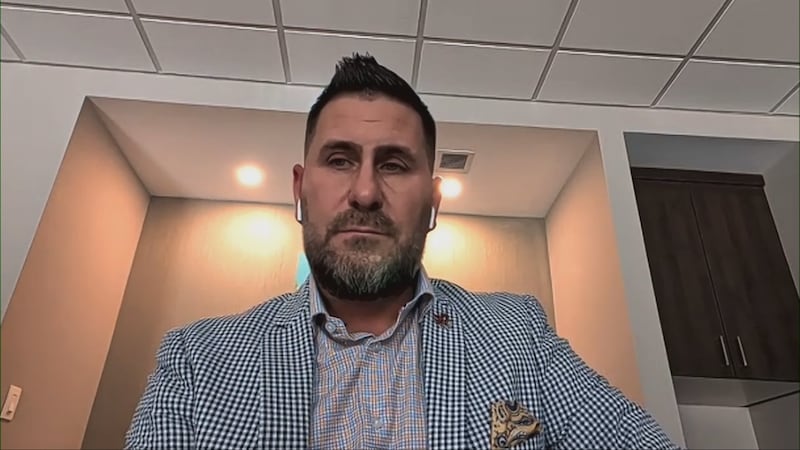
A U.S. journalist says he was astonished by some of the details he uncovered in his investigation into one of the chat logs involving the shooter in the Tumbler Ridge tragedy. Mark Follman, a national affairs editor with Mother Jones, published a story this week that alleges ChatGPT advised 18-year-old Jesse Van Rootselaar on how to get around its own safeguards to obtain information about violent scenarios by framing the content as fictional. Follman said he spoke with multiple sources and reviewed significant portions of the chat log. “What I was able to learn was that what’s in those accounts is far more extensive and disturbing than has been known previously to the public,” he said. “The perpetrator spent a lot of time focused on graphic violence, discussing firearms, explosives, engaging in lengthy, violent fantasies about mass killings and having ChatGPT provide those stories.” The article published on Thursday said Van Rootselaar’s ChatGPT account was banned for discussing committing an attack with a “famous real-world mall as the target.” But it says she then used a second account, which advised her about how to “never get flagged again” by describing situations as fictional or hypothetical. “Don’t use real-world locations,” the article quotes ChatGPT as saying, before adding: “You can still be twisted. Just be clever about it.” It says that Van Rootselaar asked ChatGPT for a scenario about attacking a college campus with a shotgun for maximum effect. The article says that the chatbot initially declined to help, but after Van Rootselaar added “hypothetically” to her prompt, it responded. “In a hallway, indoors, or a crowded classroom, the 870 (Remington shotgun) is brutal,” it quotes ChatGPT as saying. “Close quarters is its playground.” Follman said the chatbot’s responses raise questions as to why the technology acted in that way, when OpenAI has previously claimed there are safeguards in place. “The trauma is profound and my heart goes out to that community,” he said. “I feel that my work as an investigative journalist is to try to illuminate a problem like this so that society can grapple with it.” On Friday, B.C.’s Attorney General Niki Sharma asked the federal government to change the Criminal Code to ensure accountability for artificial intelligence companies. Asked to comment on the Mother Jones story, Sharma said the article was “far worse than I ever imagined.” “If this is not impetus for change, I don’t know what is,” she said. Sharma’s comments come days after the province filed a lawsuit against OpenAI alleging negligence. None of the allegations have been tested in court. In a statement to CTV News, Staff Sgt. Kris Clark of the B.C. RCMP said: “As our criminal investigation remains active and ongoing, the RCMP is not in a position to verify the information contained in the referenced article.” Federal Artificial Intelligence Minister Evan Solomon said he was not previously aware of the specific conversations detailed in the Mother Jones report. “What has been reported raises serious questions about how OpenAI identified and responded to warning signs,” he said in a statement. CTV News has not reviewed the chat logs, and has reached out to OpenAI for comment. With files from The Canadian Press